
Being passed over for a promotion you deserved or hearing subtle “jokes” about your age can leave you feeling devalued and angry. If you’re over 40, these aren’t just frustrating moments; they can be signs of illegal age discrimination. Recognizing the problem is the first step, but turning that recognition into action is what truly matters. This guide is designed to empower you to do just that. We will move beyond defining the problem and provide a detailed walkthrough of the solution. You’ll learn how to document what’s happening, identify key witnesses, and follow the correct procedure for how to file an age discrimination complaint.
Key Takeaways
- Know what age discrimination looks like: If you are 40 or older, you are legally protected from unfair treatment in hiring, promotions, and other employment decisions. Pay attention to subtle signs like age-related jokes, being excluded from training, or seeing younger colleagues advance without clear reasons.
- Document everything and mind the clock: A strong case relies on clear evidence. Keep a detailed timeline of incidents, save relevant emails and performance reviews, and identify potential witnesses. It’s crucial to act promptly, as you have a strict legal deadline (usually 180 or 300 days) to file your complaint.
- Retaliation is a separate, illegal offense: Your employer cannot legally punish you for filing a discrimination complaint. If you experience negative changes like a demotion, unfair performance review, or increased scrutiny after filing, document these actions immediately, as they can form the basis of a new legal claim.
What Is Age Discrimination in the Workplace?
It’s incredibly disheartening to feel like your age is holding you back at work, especially when you have years of valuable experience. Age discrimination is when an employer treats you unfairly because of your age. Fortunately, federal and state laws protect workers from this bias, ensuring career decisions are based on your skills, not your birthdate. Understanding what age discrimination looks like and knowing your rights is the first step toward addressing it.
If you believe your rights have been violated, our Workplace Discrimination Lawyer team can help you understand your options and pursue your claim.
Defining Age Discrimination Under the ADEA
The primary federal law that addresses ageism in the workplace is the Age Discrimination in Employment Act (ADEA). In simple terms, the ADEA makes it illegal for employers to treat people unfairly because of their age. This law specifically protects individuals who are 40 years of age or older from discrimination in any aspect of employment. This includes hiring, firing, pay, job assignments, promotions, layoffs, training, and benefits. The goal of the ADEA is to ensure that older workers are judged on their abilities, not on age-based stereotypes or assumptions.
Recognizing the Signs of Age Discrimination
Age discrimination isn’t always obvious. Sometimes, it’s subtle, while other times it’s more direct. Common signs can include being passed over for a promotion in favor of a younger, less-experienced colleague, or being left out of training opportunities for new technology. You might also hear supervisors or coworkers make negative comments or “jokes” about your age, which can contribute to a hostile work environment. Other red flags include being pressured to retire, receiving a sudden poor performance review after years of positive feedback, or noticing that recent layoffs disproportionately affected older employees.
Know Your Rights: Protections for Workers Over 40
If you are over 40, you have specific legal protections throughout your employment. The ADEA prohibits discrimination at every stage, from the moment you apply for a job to the day you leave. This means an employer can’t refuse to hire you, deny you a promotion, or lay you off because of your age. Equally important, the law protects you from being punished for speaking up. It is illegal for an employer to take action against you for opposing age discrimination, filing a complaint, or participating in an investigation. This is known as retaliation, and it is a separate violation of the law.
What You Need to File an Age Discrimination Complaint
Filing an age discrimination complaint can feel like a monumental task, but you can make the process much more manageable by getting organized first. Before you officially submit anything, your goal is to build a clear and detailed account of what happened, backed by solid evidence. Think of yourself as the lead investigator of your own case. The information you gather now will form the foundation of your formal complaint and can significantly impact the outcome.
Government agencies like the U.S. Equal Employment Opportunity Commission (EEOC) have specific requirements for filing a charge. Missing a key piece of information can cause serious delays or even lead to your case being dismissed. By preparing your documents and evidence ahead of time, you present a credible, compelling story from the very beginning. This preparation not only helps the agency understand your claim but also empowers you by giving you a sense of control over the situation. A well-organized file shows that you are serious and prepared to see this through. While you can gather this information on your own, working with an experienced employment law attorney can help you identify the most crucial pieces of evidence to strengthen your case.
Gather Your Personal and Employer Information
First things first, you need to collect all the basic identifying details. This information is non-negotiable for any formal complaint. Start by writing down your full legal name, home address, email, and phone number. Then, do the same for your employer. You’ll need the company’s official name (which might be different from its brand name), address, and main phone number. It’s also helpful to know approximately how many people the company employs, as anti-discrimination laws often apply based on company size. Make sure every detail is accurate. A simple typo in a name or address can create unnecessary hurdles and slow down the investigation, so it’s worth taking the time to double-check everything.
Collect Key Evidence to Support Your Claim
Your personal account is powerful, but concrete evidence makes it undeniable. Start gathering any documents related to your employment and the discriminatory actions you experienced. This includes your performance reviews, especially if they show a history of positive feedback. Find any emails, text messages, or internal memos that relate to the situation. Did you receive a termination letter or a notice of layoff? Keep it. Pay stubs, your employee handbook, and any written company policies can also be incredibly useful. This documentation helps create a timeline and can often expose inconsistencies in your employer’s stated reasons for their actions, which is a key part of proving a wrongful termination claim.
Identify Witnesses and Their Contact Info
You don’t have to go through this alone, and having others who can back up your story is invaluable. Think about who witnessed the discriminatory behavior. This could be current or former colleagues who overheard inappropriate comments about age, noticed a pattern of older employees being pushed out, or can speak to your excellent work performance. Make a list of these potential witnesses and gather their full names, job titles, and personal contact information like a cell phone number or non-work email. It’s best to use personal contact details in case they leave the company. Be mindful and discreet when reaching out, as current employees may fear workplace retaliation, but their testimony could be crucial to your case.
How to Organize Your Documents for a Stronger Case
Once you have all your documents and information, the final step is to organize them into a clear, easy-to-follow narrative. The most effective way to do this is by creating a detailed timeline of events. Start from the beginning and list every incident of potential discrimination in chronological order. For each entry, include the date, the location, who was involved, and exactly what was said or done. It’s also helpful to write down how the incident made you feel. This detailed log makes it easy for an investigator or attorney to see a pattern of behavior. Keep both physical and digital copies of everything in a dedicated folder, so you’re always prepared for the next step.
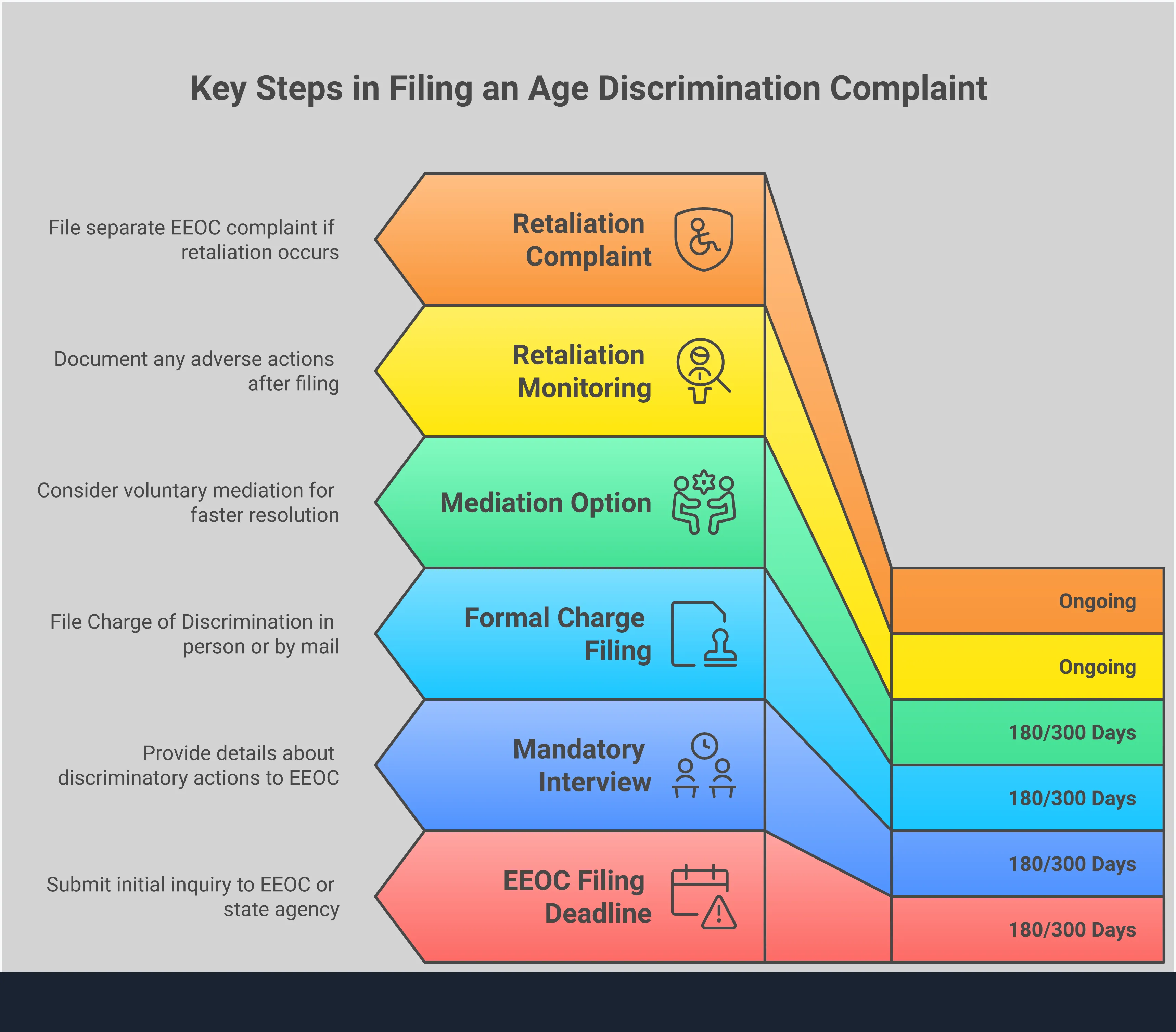
How to File an EEOC Complaint, Step by Step
Filing a complaint with the Equal Employment Opportunity Commission (EEOC) can feel like a big step, but it’s a structured process designed to protect your rights. Knowing what to expect can make the entire experience feel more manageable. Think of it as a series of clear, actionable steps you can take to have your voice heard. Here’s a breakdown of the journey, from your first move to the final outcome.
Step 1: Try to Resolve the Issue Internally
Before you file a formal charge, the EEOC suggests you may want to try resolving the issue directly with your employer. This could mean speaking with your manager, contacting the human resources department, or using your company’s internal complaint process. For some, this can lead to a quick and simple resolution. However, this path isn’t right for everyone. If you’re concerned about a hostile work environment or fear potential retaliation, you might decide it’s better to proceed directly to the EEOC. Trust your judgment and choose the option that feels safest for you.
Step 2: Submit an Inquiry via the EEOC Portal
Your official journey with the EEOC begins when you submit an online inquiry through the EEOC Public Portal. This initial step is not the same as filing a formal charge. Instead, it’s a way to provide the EEOC with basic information about you, your employer, and the situation you’ve experienced. You’ll be asked to describe the discriminatory actions and when they occurred. This inquiry gets the ball rolling and signals to the agency that you need assistance. It’s the first concrete step toward having your case reviewed by the professionals who handle these matters every day.
Step 3: File Your Formal Charge of Discrimination
After you submit your inquiry, the EEOC will schedule an interview with you. This conversation is important because it helps the agency understand the details of your case and determine if filing a formal charge is the appropriate next step. If they agree that your situation falls under the laws they enforce, they will help you draft and file a “Charge of Discrimination.” This is the official document that formally accuses your employer of unlawful discrimination and triggers the EEOC’s investigation process. Be prepared to provide specific dates, names, and details during your interview.
Step 4: Choose How to File: In Person or by Mail
While the initial inquiry is online, you have options for filing the formal charge. You can file in person at any of the 53 EEOC field offices across the country. This can be helpful if you prefer face-to-face interaction and want to ask questions directly. Alternatively, you can file by mail. After your interview, the EEOC can mail you a completed charge form to sign and return. This method offers convenience if visiting an office is difficult. Both methods are equally valid, so choose the one that works best for your circumstances.
Step 5: Consider Your Mediation Options
Before a formal investigation begins, the EEOC may offer mediation. This is a voluntary and confidential process where a neutral mediator helps you and your employer discuss the issues and try to reach a mutual agreement. Mediation is often faster and less formal than an investigation. If a resolution is reached, the agreement is legally binding. If you and your employer can’t agree or choose not to participate, your case simply moves on to the investigation phase. It’s a no-cost option that can be a great way to resolve a dispute without a lengthy process.
What to Expect During the EEOC Investigation
Once your charge is filed, the EEOC will notify your employer and begin its investigation. The agency has the authority to request documents, interview witnesses, and gather evidence from both sides. It’s important to know that the EEOC can dismiss a charge if it’s filed too late or if the laws don’t apply to your claim. The investigation itself can take several months or even longer, so patience is key. During this time, continue to document anything relevant to your case, especially if you experience any form of workplace retaliation.
The Final Step: Receiving Your Right-to-Sue Letter
The EEOC investigation concludes in one of a few ways. The agency might find evidence of discrimination and try to settle the charge with your employer. If a settlement can’t be reached, or if the EEOC doesn’t find sufficient evidence, the agency will close the case. When this happens, they will issue you a document called a “Notice of Right to Sue.” This letter is crucial because it gives you the legal permission to file a lawsuit in court. You typically have just 90 days from receiving this notice to file your lawsuit, so it’s vital to act quickly.
What Are the Deadlines for Filing Your Complaint?
When you’re dealing with age discrimination, time is not on your side. There are strict deadlines, known as statutes of limitations, for filing a formal complaint. Missing these deadlines can mean losing your right to take legal action, so it’s critical to understand the timeline and act quickly. The clock starts ticking from the date the discriminatory action took place, not from when you realized it was illegal. Let’s walk through the specific timeframes you need to know.
The 180-Day Federal Filing Deadline
Under federal law, you generally have 180 calendar days to file a charge of discrimination with the U.S. Equal Employment Opportunity Commission (EEOC). This clock starts on the day the discrimination happened. For example, if you were wrongfully terminated because of your age, the 180-day countdown begins on your termination date. A charge of discrimination is a signed statement that outlines what happened and asks the EEOC to investigate. It’s the official first step to protecting your rights under federal law, so paying close attention to this 180-day window is absolutely essential for your case.
When the Deadline Extends to 300 Days
The 180-day deadline isn’t set in stone for everyone. The timeframe extends to 300 calendar days if your state or local government has its own laws prohibiting employment discrimination and an agency to enforce them. This is great news for workers in California, which has strong anti-discrimination laws. Because California has its own civil rights agency, you have up to 300 days to file your claim with the EEOC. This extension gives you more time to gather evidence and prepare your case, but you should still act as quickly as possible to protect your rights against discrimination.
How to Calculate Your Filing Deadline
Calculating your deadline starts with identifying the exact date the discriminatory act occurred. This could be the day you were fired, demoted, not hired, or informed of a decision that negatively affected your employment. From that specific date, you count the calendar days forward, including weekends and holidays. For example, if you were let go on June 1st, your 300-day deadline in California would be around late March of the following year. Don’t wait until the last minute. It’s wise to file well before the deadline to avoid any unexpected issues that could jeopardize your claim.
Why You Can’t Afford to Miss the Deadline
The consequences of missing the filing deadline are severe. If your charge is filed too late, the EEOC will likely dismiss it without ever investigating the merits of your claim. This dismissal effectively closes the door on your ability to sue your employer in federal court for age discrimination. You lose your legal recourse for the harm you’ve suffered. There are very few exceptions to this rule, which is why it’s so important to take these timelines seriously. If you are concerned about an approaching deadline, it is always best to consult with an employment law attorney immediately to understand your options.
What Happens After You File Your Complaint?
Filing a complaint is a significant step, but your work isn’t over yet. It’s important to understand what comes next, especially since your employer will be notified of the charge. While many employers handle this professionally, some unfortunately respond with negative behavior.
The law anticipates this possibility and offers you protection. Knowing your rights and what to watch for can help you stay prepared. If your employer does take adverse action against you for filing a complaint, it’s called retaliation, and it is illegal. Your focus should be on protecting yourself, recognizing the signs of retaliation, and knowing what steps to take if it happens.
Know Your Protections Against Retaliation
It’s completely understandable to worry about your job security after filing a discrimination complaint. The good news is that federal and state laws make it illegal for your employer to punish you for asserting your rights. This protection means your employer cannot fire, demote, harass, or otherwise penalize you because you filed a complaint.
If an employer does retaliate, you may be entitled to remedies like back pay, job reinstatement, or other damages. These protections are in place to ensure people feel safe coming forward to report discrimination without fear of losing their livelihood. If you believe you’re a victim of retaliation at work, it’s a serious issue that warrants its own legal attention.
How to Spot Workplace Retaliation
Retaliation isn’t always as obvious as being fired. It can be subtle, designed to make your work life so difficult that you consider quitting. It’s any negative action that would discourage a reasonable person from making or supporting a discrimination complaint.
Common examples of retaliation include being demoted, receiving an unfair performance review, or being excluded from meetings and projects you were previously part of. It could also look like being moved to a less desirable shift, having your responsibilities reduced, or being subjected to increased scrutiny from your manager. Any of these actions could be creating a hostile work environment intended to punish you for speaking up.
Document Every Incident of Retaliation
If you suspect you’re facing retaliation, start documenting everything immediately. This record is one of the most powerful tools you have. For every incident, write down the date, time, and location. Describe exactly what happened and who was involved, including any witnesses. Quote what was said if you can remember it accurately.
Also, note how the incident made you feel and how it impacted your ability to do your job. Keep this log in a safe, personal place, not on a work computer. Save any relevant emails, messages, or documents that support your account. This detailed documentation will be critical evidence if you need to take further legal action.
Filing a New Complaint for Retaliation
If you experience retaliation after reporting age discrimination, you have the right to file a new, separate complaint. This is a distinct legal claim from your original discrimination charge. You can file this new complaint with the same agency where you filed your initial one, whether it’s the EEOC or a state agency.
This step is crucial because it officially puts your employer on notice that their retaliatory actions are also being scrutinized. It also opens the door to seeking additional damages specifically for the retaliation you endured. An experienced employment lawyer can guide you through the process of filing this second claim and ensure it’s handled correctly.
How State Agencies Can Help
In addition to the federal protections offered by the EEOC, California has its own robust anti-discrimination laws. You can report discrimination and retaliation to the California Civil Rights Department (CRD), the state’s fair employment practices agency. Filing with the CRD can sometimes offer additional protections or a different timeline than the EEOC.
These state agencies work to enforce local laws that often provide even broader protections for employees. You don’t have to choose between filing with the EEOC or the CRD; in many cases, the agencies have a work-sharing agreement that allows your complaint to be “dual-filed” with both. This ensures your rights are protected under all applicable laws.
When Should You Hire an Employment Lawyer?
Filing a complaint with the EEOC is a critical first step, but it doesn’t have to be the only one you take. While you can go through the process alone, bringing in a legal expert can make a significant difference in the outcome of your case. An employment lawyer acts as your advocate, ensuring your rights are protected every step of the way. They can help you meet deadlines, build a stronger case, and handle communications with your employer and government agencies. If you feel overwhelmed or unsure about what to do next, it might be the right time to seek professional legal advice.
Why Partnering with an Attorney Helps Your Case
Employment law is complex, and laws like the Age Discrimination in Employment Act (ADEA) have specific rules and exceptions. An experienced attorney understands these nuances and can help you build a compelling case. They know what evidence is most impactful, how to interview witnesses, and how to present your story clearly and effectively. A lawyer can also assess the full extent of your damages, including lost wages and emotional distress, to ensure you seek fair compensation. Partnering with a legal professional who specializes in employment law gives you the best chance to achieve a just resolution.
How Contingency Fees Work
Many people worry about the cost of hiring a lawyer, but most employment attorneys work on a contingency fee basis. This means you don’t pay any legal fees upfront. Instead, the lawyer’s payment is a percentage of the settlement or award you receive if you win your case. If you don’t win, you don’t owe them any attorney fees. This arrangement allows you to pursue justice without the financial strain of paying for legal help out of pocket. When you first meet with an attorney, they will explain their specific fee structure so you know exactly what to expect.
Find Additional Support and Resources
While your lawyer is your primary advocate, other organizations offer valuable information and support. The U.S. Equal Employment Opportunity Commission (EEOC) provides extensive resources on age discrimination, including detailed guides on your rights under the ADEA. The Department of Labor is another excellent source of information. These resources can help you better understand the legal landscape and feel more informed as you move forward. Your attorney can help you use the information from these agencies to strengthen your claim and ensure you’re taking all the right steps.
What to Expect During the Legal Process
The legal process for an age discrimination claim follows a structured path. It starts with gathering all relevant evidence, like emails, performance reviews, and witness statements. After that, you’ll file a formal charge with the EEOC. From there, the agency may investigate or suggest mediation to resolve the issue. If a resolution isn’t reached, the EEOC will issue a “Right-to-Sue” letter, which allows you to file a lawsuit. An experienced lawyer will guide you through each stage, manage all the paperwork and deadlines, and represent you in negotiations or in court, making the entire process much less stressful.
Frequently Asked Questions
What if the discrimination isn’t a single event, but a pattern of comments and jokes? This absolutely can be a form of age discrimination. When ongoing comments, jokes, or insults about your age are severe or frequent enough to create an intimidating or offensive work atmosphere, it’s known as a hostile work environment. The key is the pattern of behavior and its negative impact on your ability to do your job. Be sure to document every single incident, including the date, what was said, and who was present, as this record is crucial for building your case.
Can I afford to hire a lawyer for my age discrimination case? This is a very common and valid concern, but you should know that financial constraints don’t have to prevent you from getting legal help. Most employment attorneys work on a contingency fee basis. This means they only get paid if you win your case, taking a percentage of the final settlement or award. You don’t pay any attorney fees upfront, which makes high-quality legal representation accessible to everyone, regardless of their financial situation.
Does filing an EEOC complaint automatically mean I’m suing my employer? No, filing a complaint with the EEOC is not the same as filing a lawsuit. Think of the EEOC complaint as a necessary first step. It triggers a formal investigation by a government agency to determine if discrimination likely occurred. A lawsuit can only be filed in court after the EEOC has completed its process and issued a document called a “Notice of Right to Sue.” The investigation itself can sometimes lead to a resolution, like a settlement, without ever needing to go to court.
What kind of evidence is most helpful if I don’t have a “smoking gun” email? It’s rare to have a single piece of evidence that proves discrimination. Instead, cases are often built on a collection of circumstantial evidence that shows a pattern of bias. Your own detailed notes about incidents are powerful. Other strong evidence includes consistently positive performance reviews that suddenly turn negative, documentation showing that younger, less qualified employees were given promotions or opportunities you were denied, and statements from colleagues who witnessed the behavior or can speak to your strong work ethic.
Can my manager discriminate against me based on age if they are also over 40? Yes, they can. The law focuses on the discriminatory action itself, not the age of the person making the decision. An employer or manager can violate the Age Discrimination in Employment Act (ADEA) by treating an employee unfairly because of their age, regardless of whether the manager is older, younger, or the same age as the victim. The important factor is that an employment decision was negatively influenced by age-based bias.
Related Articles
- How Gender Discrimination Lawsuit Settlements Are Valued
- How to Prove Racial Discrimination at Work: Key Steps
Think you were wrongfully terminated?
Get a free, confidential case evaluation from our experienced employment law attorneys.
Request Your Free Consultation