
It’s a horrible feeling to leave work questioning an interaction that made your skin crawl. You might wonder if you’re overreacting or being too sensitive, especially if the behavior wasn’t overtly aggressive. This self-doubt is common, but it’s often fueled by a misunderstanding of your legal protections. The first step to regaining your confidence and sense of safety is to get clear on the facts. Understanding what constitutes sexual harassment is not about confirming your worst fears; it’s about validating your experience and learning the language to describe it. The law is much broader than many people realize, covering everything from persistent, unwelcome jokes to intimidating physical behavior. This guide will provide that clarity.
Key Takeaways
- Recognize the two types of harassment: The law identifies two main forms, quid pro quo (linking job benefits to sexual favors) and a hostile work environment, which is created by severe or persistent unwelcome conduct like offensive jokes, comments, or inappropriate touching.
- Create a detailed record: Your power lies in documentation. For every incident, privately write down the date, time, location, specific details of the conduct, any witnesses, and how it impacted you. This log serves as critical evidence for any future action.
- Understand your reporting options and deadlines: While you can report harassment to HR, you should contact a lawyer if your company ignores your complaint or retaliates against you. Strict legal deadlines apply to harassment claims, so it’s vital to act quickly to protect your right to file.
What Legally Counts as Sexual Harassment?
It can be incredibly difficult to know what to do when you feel uncomfortable or unsafe at work. You might question if what you’re experiencing is “bad enough” to report, or if it even counts as harassment in the eyes of the law. A critical first step is understanding what legally constitutes sexual harassment. It’s not just about inappropriate physical contact; the legal definition is much broader and covers a wide range of unwelcome behaviors, from persistent comments and jokes to explicit requests and visual displays. Both federal and state laws offer protection, and knowing your rights is the foundation for taking action. The law doesn’t just look at one isolated incident, though sometimes a single severe event is enough. More often, it considers the nature of the conduct, how often it happens, and the impact it has on your ability to do your job. When unwelcome behavior makes it hard to perform your duties or creates an intimidating atmosphere, it may have crossed a legal line. Let’s break down the specific legal standards so you can get a clearer picture of your situation and feel more confident about your next steps.
If you believe your rights have been violated, our California Sexual Harassment Lawyer team can help you understand your options and pursue your claim.
Related articles: What Constitutes Sexual Harassment? A Legal Guide | What Counts as Sexual Harassment? A Clear Guide | How a Sexual Harassment Attorney in LA County Can Help
Understanding Federal Law (Title VII)
On a national level, your primary protection comes from Title VII of the Civil Rights Act of 1964. This law makes it illegal for an employer to harass any applicant or employee because of their sex. According to the U.S. Equal Employment Opportunity Commission (EEOC), this protection specifically includes unwanted sexual advances, requests for sexual favors, and other verbal or physical conduct of a sexual nature. This means that a wide range of actions, from persistent, unwelcome comments to explicit requests, can be considered illegal harassment under federal law. The key is that the conduct is sexual in nature and unwelcome by the person receiving it.
Your Rights Under California Law (FEHA)
If you work in California, you have even stronger protections under the state’s Fair Employment and Housing Act (FEHA). This law is one of the most comprehensive in the country when it comes to workplace rights. FEHA explicitly prohibits sexual harassment and defines it in two main categories. The first is “quid pro quo” harassment, which is when a job benefit is tied to submitting to sexual favors. The second is the creation of a hostile work environment, where unwelcome sexual conduct is so severe or widespread that it makes the workplace intimidating or offensive. California law is designed to protect employees from a broad spectrum of harassing behaviors.
How the EEOC Defines Harassment
So, when does inappropriate behavior cross the line and become illegal? The EEOC clarifies that harassment is against the law when it is so frequent or severe that it creates a hostile or offensive work environment. It’s also illegal if enduring the behavior becomes a condition of continued employment, or if the conduct results in a negative employment decision. This could mean being fired, demoted, or passed over for a promotion. A single, extremely serious incident can be enough to qualify as illegal harassment. You don’t necessarily have to prove a long pattern of behavior if the one-time event was severe enough to alter your work environment.
The Two Main Types of Sexual Harassment
When you’re trying to figure out if what you’re experiencing is legally considered sexual harassment, it helps to know how the law categorizes it. Generally, workplace sexual harassment falls into two main types. The first is a direct exchange, where a job benefit is tied to a sexual demand. The second involves behavior so severe or frequent that it poisons the entire work atmosphere.
Understanding these categories can help you name what’s happening and see a clearer path forward. While every situation is unique, one or both of these legal frameworks will likely apply. It’s important to remember that you don’t have to put up with either type of behavior. Let’s break down what each one looks like in practice.
“This for That”: Quid Pro Quo Harassment
The legal term for this is “quid pro quo,” which is just Latin for “this for that.” This type of harassment happens when a supervisor, manager, or someone else in a position of power offers or hints at an employment benefit in exchange for a sexual favor. For example, they might suggest you’ll get a promotion, a raise, or a better schedule if you go on a date with them.
It also works the other way. Quid pro quo harassment includes threats of negative consequences, like being fired, demoted, or given undesirable assignments, if you refuse their sexual advances. This form of harassment is a clear abuse of power that directly ties your job security and career progress to submitting to unwanted demands.
When the Workplace Becomes a Hostile Environment
The second type of harassment creates a hostile work environment. This isn’t about a single, isolated incident but rather unwelcome conduct that is so severe or pervasive that it makes your job unbearable. The behavior doesn’t have to come from a supervisor; it can be from a coworker, a client, or a contractor.
This can include offensive jokes, inappropriate comments about your appearance, unwanted touching, or displaying sexually explicit images. When this conduct is frequent or serious enough to interfere with your ability to do your job, it becomes illegal. It’s about behavior that makes you feel intimidated, offended, or humiliated at work, whether it happens in person, over the phone, or through email and text messages.
How to Identify Unwanted Sexual Behavior
Sexual harassment isn’t always as overt as a physical advance or a direct proposition. It often takes forms that are harder to pin down, leaving you feeling confused and questioning whether what you experienced “counts.” The simple truth is that any unwelcome conduct of a sexual nature can be harassment. It can be verbal, physical, or even visual. Understanding the different ways it shows up is the first step toward recognizing it and taking action.
Examples of Verbal Harassment
Words can be just as damaging as actions. Verbal harassment includes a wide range of unwelcome comments and questions that create an uncomfortable or intimidating atmosphere. This can look like sexual innuendos disguised as compliments, suggestive comments about your appearance, or persistent, inappropriate jokes of a sexual nature. It also includes direct sexual propositions, threats if you don’t comply, or intrusive questions about your personal or sexual life. When these kinds of comments become a regular part of your workday, they can contribute to a hostile work environment where you no longer feel safe or respected.
Examples of Physical Harassment
Any unwanted physical contact can be a form of harassment. This behavior exists on a spectrum, from actions that may seem minor to others to outright assault. Physical harassment includes unwanted touching, such as patting your back or putting a hand on your shoulder in a way that feels inappropriate. It also covers more aggressive actions like pinching, grabbing, or intentionally cornering you or blocking your ability to move. At its most severe, physical harassment is sexual assault. The key factor is that the contact is unwelcome by you. No one has the right to touch you without your consent, especially in a professional setting where power dynamics are at play.
Recognizing Visual and Written Harassment
Sexual harassment doesn’t require a single word to be spoken or a single physical touch. It can be entirely visual. This type of harassment includes leering or staring in a sexually suggestive way, whistling, or making inappropriate gestures. It also involves displaying sexually explicit materials in the workplace. This could be anything from offensive posters and cartoons to inappropriate images left on a desk or sent to a work printer. These actions are not harmless; they are a form of sexual harassment that can make the workplace feel offensive and intimidating for anyone forced to see them.
Harassment in Emails, Texts, and Social Media
In our connected world, harassment isn’t confined to the physical office. It can easily spill over into digital communications. Sending unwanted emails or text messages with sexual content, like explicit jokes, images, or videos, is a clear form of harassment. This also extends to social media, where a coworker or manager might send you inappropriate private messages or post offensive comments. Because these messages are sent directly to your personal devices, they can feel especially invasive, blurring the lines between your work life and your private life. This behavior is just as serious as in-person harassment and is covered by employment law.
When Does a Workplace Become “Hostile”?
The term “hostile work environment” gets used a lot, but in a legal sense, it means something very specific. It’s not just about dealing with a rude co-worker or a demanding boss. A legally recognized hostile work environment is one where unwelcome conduct is so severe or pervasive that it alters the conditions of your employment and creates an abusive atmosphere. To meet this standard, the behavior has to pass a few key tests. It’s about the frequency of the conduct, its severity, and how it impacts your ability to simply do your job.
How Severe or Frequent Does It Have to Be?
There isn’t a magic number of incidents that automatically makes a workplace hostile. Instead, the law looks at two factors: severity and frequency. According to the U.S. Equal Employment Opportunity Commission, harassment becomes illegal when it “happens so often or is so severe that it creates a hostile or offensive work environment.” A single, extremely serious incident, like a physical assault or a threat, could be enough to qualify as severe. On the other hand, a pattern of less severe but persistent actions, like daily inappropriate jokes, comments, or unwanted touching, can also create a hostile environment over time. The key is that the behavior is more than just a simple annoyance or an isolated, offhand comment.
Does It Interfere With Your Ability to Work?
Another critical question is whether the behavior is getting in the way of your job performance. The conduct must be disruptive enough to make your work difficult or create an intimidating and offensive atmosphere. Think about whether the harassment is affecting your focus, causing you to avoid certain colleagues or parts of the office, or making you feel so stressed that you can’t perform your duties effectively. If the unwelcome behavior has fundamentally changed your work conditions for the worse, it may be contributing to a hostile environment. This is a core component of a sexual harassment claim.
The “Reasonable Person” Standard Explained
When evaluating a hostile work environment claim, courts use what’s called the “reasonable person” standard. This means they consider whether a reasonable person in your same situation would find the environment hostile or abusive. The focus isn’t just on your personal feelings, but on an objective view of the circumstances. The behavior must be offensive to both you, the victim, and to a hypothetical reasonable person. This standard helps ensure that the law protects against genuinely abusive situations, not just conduct that one person might find personally offensive but others would not. California’s employment laws are designed to protect you when that line is crossed.
Debunking Common Myths About Sexual Harassment
Misconceptions about sexual harassment are unfortunately common, and they often prevent people from recognizing inappropriate behavior for what it is. When you don’t have the right information, it’s easy to second-guess yourself or feel like you’re overreacting. These myths create a culture of silence that protects harassers and leaves employees feeling isolated and powerless. Understanding the truth is the first step toward protecting yourself and knowing your rights.
Let’s clear up some of the most persistent and damaging myths about what constitutes sexual harassment in the workplace. The law is often much broader and more protective than people realize. By breaking down these falsehoods, you can gain the clarity and confidence to identify harassment and decide what steps to take next. Remember, your feelings are valid, and the law is designed to ensure you have a safe and respectful work environment. Don’t let misinformation stop you from seeking the support you deserve.
Myth: It Only Happens to Women
This is one of the most widespread myths, but it is completely false. While women experience sexual harassment at disproportionately high rates, they are not the only victims. According to the U.S. Equal Employment Opportunity Commission, anyone can be a victim of harassment, regardless of their gender. Men can be harassed by women, women can be harassed by men, and harassment can also occur between people of the same sex. The law protects all employees from this type of misconduct. The key elements are that the behavior is unwelcome and sexual in nature, not the gender of the people involved.
Myth: It Has to Happen More Than Once
Many people believe that they have to endure a pattern of harassing behavior before they can take action. However, the law does not always require misconduct to be repeated. A single, severe incident can be enough to create a hostile work environment and violate your rights. For example, an unwelcome sexual advance or physical touching can be considered illegal harassment even if it only happens one time. Furthermore, any harassing behavior that results in a negative employment decision, such as being fired, demoted, or passed over for a promotion, is illegal from the very first instance.
Myth: “Just Joking” Can’t Be Harassment
The “I was just joking” defense is a common attempt to downplay harmful behavior, but it doesn’t hold up legally. The intent of the harasser doesn’t matter as much as the impact of their actions on you. Sexual harassment is defined as unwanted sexual behavior that makes you feel upset, offended, or humiliated. If a “joke” or comment does that, it can be considered harassment. What one person finds funny, another can experience as threatening and degrading. A workplace should be a place of safety and respect, and no one should have to endure offensive jokes or comments to earn a paycheck.
Who Is Held Responsible for Harassment?
When you experience harassment at work, it’s natural to wonder who is accountable. The answer is often more complex than just the person who engaged in the harmful behavior. In California, the law recognizes that responsibility can extend beyond the individual harasser to the company itself. Both can be held legally responsible for creating or allowing a hostile work environment to exist. Understanding this is a key step in knowing your rights. Liability can fall on your employer for failing to protect you, on the individual for their actions, and even in situations involving non-employees like clients or vendors.
Your Employer’s Duty to Protect You
Your employer has a legal obligation to provide a safe workplace, free from harassment. When harassing behavior becomes so severe or frequent that it creates a hostile work environment, your employer must step in. Harassment becomes illegal if it leads to a negative employment decision, like being fired, or if the environment becomes intimidating. If your employer knew, or should have known, about the harassment and failed to take prompt, effective action to stop it, they can be held liable. Their responsibility is to prevent harassment before it starts and to correct it when it happens.
The Harasser’s Personal Liability
While employers carry significant responsibility, the person who commits the harassment can also be held personally accountable. California law allows victims of harassment to sue the individual harasser directly, not just the company. This means the coworker, supervisor, or manager responsible for the unwanted conduct can face personal legal consequences. It’s important to remember that anyone can be a harasser, regardless of their gender or position. The law focuses on the behavior, not the person’s identity. This personal liability ensures that individuals can’t simply hide behind their employer after causing harm.
When a Client or Vendor Is the Harasser
Harassment doesn’t always come from a coworker or supervisor. Sometimes, the person responsible is a client, customer, or vendor. Your employer’s duty to protect you extends to these situations. If a client makes inappropriate comments or a vendor engages in unwanted physical contact, your employer cannot ignore it just because that person isn’t on their payroll. Once you report the incident, your employer is legally required to take immediate steps to fix the situation and prevent it from happening again. Failing to address sexual harassment from a third party can make the company legally responsible.
Understanding the Impact of Sexual Harassment
Sexual harassment doesn’t just create an awkward moment at work; it sends ripples through every aspect of a person’s life and the company’s culture. The impact goes far beyond the specific incident, affecting mental health, career trajectories, and the overall health of the workplace. Understanding these consequences is a critical step in recognizing the seriousness of the behavior and knowing why it’s so important to take action. From the personal toll it takes on you to the legal risks for the harasser and the damage to the company, the effects are significant and widespread.
The Toll on Your Well-Being and Career
Unwanted sexual behavior at work is more than just unprofessional; it can be deeply damaging. When you’re made to feel upset, scared, or humiliated, the stress can take a serious toll on your physical and mental health, leading to anxiety, depression, and trouble sleeping. This emotional strain rarely stays at the office. It can affect your relationships and your ability to enjoy life. Professionally, the consequences are just as severe. A hostile work environment can tank your motivation and performance, causing you to miss out on promotions or even feel forced to leave a job you once loved. Your career path shouldn’t be derailed by someone else’s unacceptable actions.
Legal Consequences for the Perpetrator
The person responsible for the harassment doesn’t get a free pass. When behavior is severe or frequent enough to create an offensive work environment, it crosses the line from inappropriate to illegal. This means the harasser can face serious repercussions. Your employer may take disciplinary action, which could include suspension, mandatory training, or termination. In some cases, the harasser can also be held personally liable in a lawsuit. It’s important to remember that there are legal frameworks in place to hold individuals accountable for their actions, ensuring they face tangible consequences for the harm they cause in the workplace.
How Harassment Affects the Entire Company
Sexual harassment is never an isolated issue between two people. It’s a cultural problem that can poison an entire workplace. When harassment is ignored or poorly handled, it erodes trust, damages morale, and hurts productivity for everyone. Good employees may leave, and the company’s reputation can suffer, making it difficult to attract new talent. A healthy company culture is built on safety and respect. Employers have a legal and ethical duty to prevent sexual harassment by implementing clear policies, providing effective training, and creating a safe reporting process. A failure to do so not only harms employees but also exposes the business to significant legal and financial risks.
What Your Company Should Be Doing to Prevent Harassment
Preventing harassment is not just a good idea; it’s your employer’s legal and ethical responsibility. A company that is truly committed to a safe workplace doesn’t just react to problems after they happen, it actively works to stop them from ever starting. This means going beyond basic compliance and building a genuine culture of respect from the ground up. It involves establishing crystal-clear policies, providing meaningful training that actually sinks in, and ensuring that when issues do arise, they are handled with the seriousness and fairness they deserve.
A proactive approach is the only way to build a workplace where everyone feels secure, valued, and able to do their best work. Employers who can demonstrate they have taken every reasonable step to prevent misconduct are not only creating a better environment but are also in a stronger position legally. If your employer’s efforts feel like they’re just for show or designed to check a box, that’s a major red flag. True prevention is a continuous effort, woven into the daily operations of the company, and it’s something every employee has a right to expect.
Why Leadership Sets the Tone
Everything starts at the top. When company leaders, managers, and supervisors are genuinely committed to preventing harassment, it sends a powerful and unmistakable message to the entire organization. This means more than just sending an annual memo; it means actively modeling respectful behavior, investing in quality training, and taking every single complaint seriously. A hands-off or dismissive approach from leadership can quickly create a hostile work environment where inappropriate conduct is ignored, excused, or normalized. A company’s culture is shaped by its leaders, and they are ultimately responsible for ensuring the company takes every reasonable step to protect its employees.
The Importance of a Clear Anti-Harassment Policy
Your company must have a written anti-harassment policy that is easy to find, read, and understand. This document is a critical tool for your protection. It should clearly define what constitutes sexual harassment and other forms of harassment, using specific examples of unacceptable behavior. The policy must state, without any ambiguity, that the company has a zero-tolerance stance. Most importantly, it needs to outline the exact procedure for reporting an incident. It should specify who you can report to, including alternate contacts if your supervisor is the harasser, and explain what will happen after you make a report. This policy is your official roadmap for seeking help within the company.
What Effective Training Looks Like
Meaningful anti-harassment training is far more than a box to check on a compliance form. An effective program educates everyone on what behaviors are considered unacceptable and empowers employees to be active bystanders if they witness something. The training must clearly explain how and to whom you can report harassment and what the consequences are for those who violate the policy. Managers and supervisors require additional, specialized training because they are the first line of defense in identifying and stopping misconduct. If your company’s training feels like a rushed, generic video that everyone ignores, it’s likely not doing enough to protect you.
How to Know if Reporting Is Safe
It’s one thing for a company to have a reporting system on paper, but it’s another thing entirely for employees to feel safe actually using it. A trustworthy process is one where you feel confident your complaint will be taken seriously and handled with discretion. Your employer should maintain confidentiality as much as possible and conduct a prompt, fair, and thorough investigation into your claim. You should never have to worry that speaking up will harm your career. If you fear you could become a victim of retaliation at work, it’s a clear sign that the system is broken and fails to protect the very people it’s supposed to help.
Your Action Plan: How to Respond to Harassment
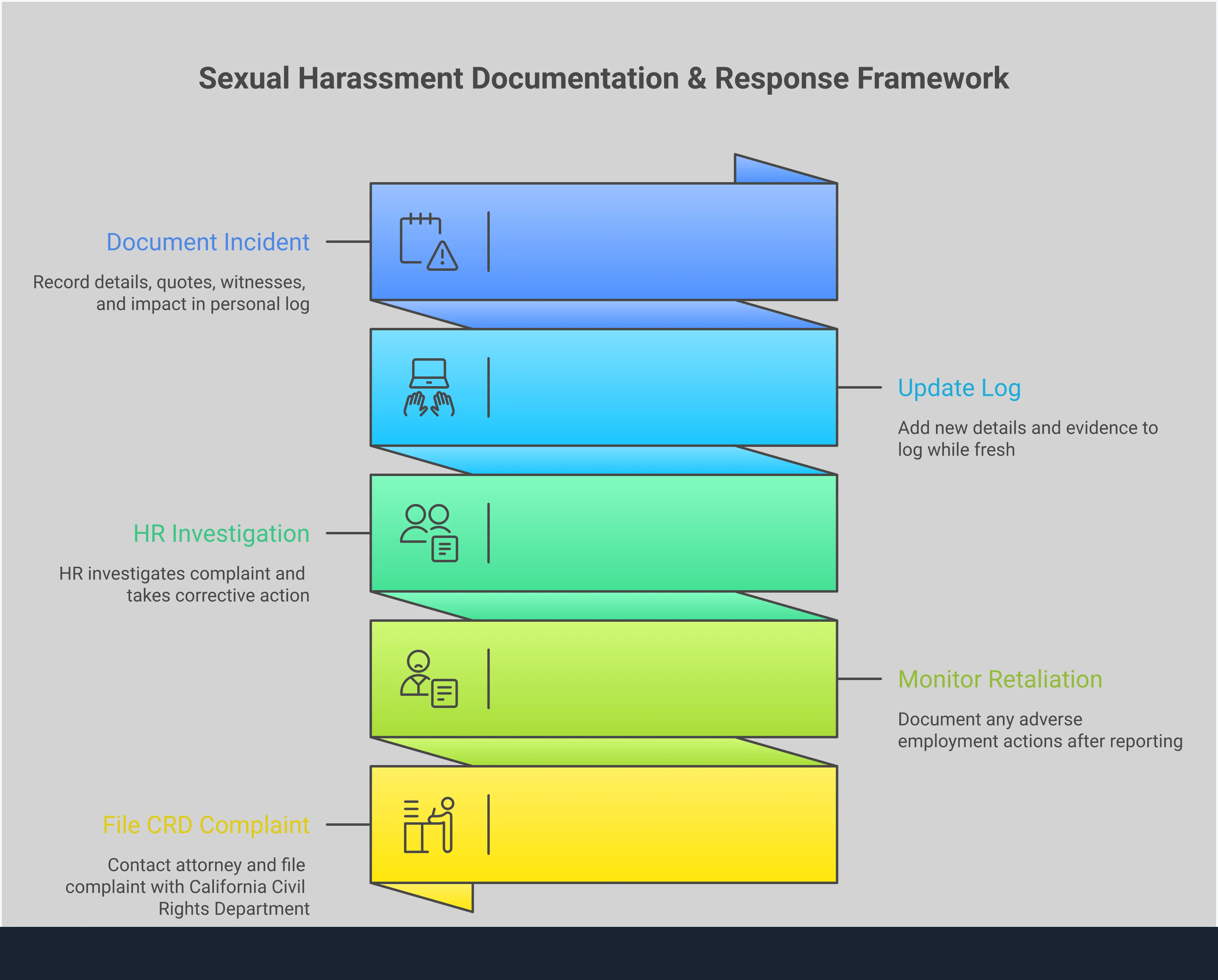
Knowing what to do when you experience harassment can feel overwhelming, but having a clear plan helps you regain control. It’s important to remember that you have rights and options. Taking every incident seriously is the first step toward addressing the situation and ensuring you feel supported. Your response can be a powerful tool in stopping the behavior and protecting yourself, both personally and professionally. This action plan walks you through what to do in the moment, how to create a record of what happened, and what your reporting options are. Think of these steps as a way to build your case and stand up for your right to a safe workplace.
What to Do in the Moment
When you’re in an uncomfortable or threatening situation, your immediate safety is the priority. If you feel able, it can be effective to address the behavior directly and clearly. A firm statement like, “That is not appropriate,” or, “Please stop,” can sometimes be enough to end the interaction. However, it’s completely understandable if you freeze or don’t feel safe confronting the person. If that’s the case, focus on removing yourself from the situation as quickly as possible. You don’t have to have the perfect response ready. The most important thing is to get to a place where you feel safe and can process what just happened.
How to Document Everything
Creating a detailed record of harassment is one of the most critical steps you can take. This isn’t just for your memory; it’s evidence. As soon as you can, write down exactly what happened. Be sure to include the date, time, and location of the incident. Describe the behavior or comments in detail, and note who else was present as a potential witness. Also, write down how the incident made you feel and how it impacted your ability to work. Keep any physical evidence, like emails, text messages, or notes. Store this log in a safe, personal place, not on a work computer. This careful documentation can be vital for any future investigation or claim regarding a hostile work environment.
Know Your Reporting Options: HR and Beyond
Your company should have a clear policy on how to report harassment. Usually, this involves telling your supervisor or someone in the Human Resources department. Your employee handbook is a good place to find this information. When you make a report, your employer has a legal responsibility to investigate and take appropriate action. However, if you don’t feel safe reporting internally, if your complaint is dismissed, or if the harasser is the person you’re supposed to report to, you have other options. You are not required to tolerate an unsafe work environment. Understanding your rights under employment law can help you decide on the best next step for your situation.
When Is It Time to Contact an Employment Lawyer?
Knowing your rights is one thing, but knowing when to ask for help enforcing them is another. You don’t have to go through this alone, especially when your job and well-being are on the line. If you’ve documented the harassment and reported it internally but nothing has changed, or if you feel unsafe or unsure of what to do next, it might be time to speak with a legal professional. An employment lawyer can offer clarity and a strategic path forward, ensuring your voice is heard and your rights are protected.
Signs You Need Legal Advice
It can be tough to know when a workplace problem crosses the line into a legal one. You should consider seeking legal advice if you’re experiencing persistent unwanted advances, inappropriate comments, or any behavior that creates a hostile work environment. Other clear signs include if your report to HR was ignored or met with disbelief, or worse, if you’re now facing retaliation like a sudden poor performance review, demotion, or reduced hours. If the harassment is affecting your ability to do your job or impacting your mental health, that’s a strong signal. A lawyer can help you understand if your situation meets the legal threshold for harassment and what your options are.
How a Lawyer Can Protect Your Rights
An employment lawyer serves as your advocate and guide. Their first job is to help you understand your rights and the legal avenues available to you. They can review your documentation, help you gather more evidence, and explain the strength of your case in plain language. A lawyer can also handle all communications with your employer, which can be a huge relief. They will manage the formal complaint process with government agencies and represent you in any legal proceedings. Ultimately, having a sexual harassment attorney on your side levels the playing field and ensures you are taken seriously, giving you the best chance at a just resolution.
Don’t Miss Your Deadline to File a Claim
One of the most critical reasons to contact a lawyer promptly is to protect your right to take legal action. In California, you generally have three years from the date of the last incident of harassment to file a complaint with the state’s Civil Rights Department (CRD). This deadline is known as the statute of limitations, and if you miss it, you could lose your ability to file a claim forever. While three years sounds like a long time, gathering evidence and building a strong case takes time. An experienced lawyer will manage these deadlines for you, making sure all paperwork is filed correctly and on time so you can focus on your well-being.
Related Articles
- What Is Workplace Sexual Harassment? A Clear Guide
- Sexual Harassment: A Guide to Your Rights & Options
- Suing for Sexual Harassment: What You Need to Know
- What Is Considered Harassment by Law? 8 Key Signs
Frequently Asked Questions
What if the harassment isn’t explicitly sexual, but it’s about my gender? That absolutely still counts as illegal harassment. The law protects you from being targeted because of your sex or gender, even if the comments or actions aren’t sexual in nature. This can include things like a supervisor constantly making demeaning comments about women in your profession or a coworker who refuses to take direction from you because of your gender. If the behavior is severe or frequent enough to create a hostile environment, it is against the law.
I’m afraid I’ll be fired if I report what’s happening. What can I do? This is a completely valid and common fear, but you should know that the law is on your side. It is illegal for your employer to punish you in any way for reporting harassment that you believe in good faith is happening. This type of punishment is called retaliation, and it can include being fired, demoted, or given worse assignments. Your right to a safe workplace includes the right to speak up about unsafe conditions without fear of losing your job.
Does it still count as workplace harassment if it happens outside of the office? Yes, it certainly can. The “workplace” isn’t just limited to the physical office building or your scheduled work hours. Harassment that occurs at a company-sponsored event, like a holiday party or a business trip, is still considered workplace harassment. The same goes for inappropriate digital communication, such as harassing text messages or emails sent after hours. If the conduct is work-related, it is covered by employment laws.
What if I don’t have concrete proof like emails or texts? Is it just my word against theirs? You don’t need a “smoking gun” to have a valid claim. Your own detailed testimony about what happened is a powerful form of evidence. This is why documenting every incident in a personal log is so important. Write down dates, times, what was said or done, who was there, and how it made you feel. While emails and texts can be helpful, many successful harassment cases are built on credible testimony, witness accounts, and a consistent record of the events.
How long do I have to take action after an incident? In California, you have a strict deadline for filing a formal complaint. Generally, you must file a claim with the California Civil Rights Department (CRD) within three years of the last act of harassment. This is known as the statute of limitations. While that might seem like a lot of time, it’s always best to act sooner rather than later. Memories can fade, evidence can be lost, and building a strong case takes time. Speaking with a legal professional can help you understand these deadlines and protect your right to file a claim.
Think you were wrongfully terminated?
Get a free, confidential case evaluation from our experienced employment law attorneys.
Request Your Free Consultation