
Something feels off since you returned from your medical leave. Your boss, who used to be supportive, is now micromanaging every task. You’re being left out of important meetings you always attended, or you were passed over for a promotion you deserved. It’s easy to second-guess yourself and wonder if you’re just being sensitive. But these subtle shifts are often the first warning signs of illegal retaliation. Trust your instincts. This article will walk you through the common, and often hidden, signs of FMLA retaliation so you can identify what’s happening. We’ll also explain how a lawyer for FMLA retaliation can help you determine if your employer has crossed a legal line.
Key Takeaways
- Know the signs of FMLA retaliation: Punishment for taking legally protected leave is illegal and can include obvious actions like being fired or subtle ones like sudden negative reviews, demotions, or being excluded from key projects.
- Document every suspicious incident: If something feels wrong after your leave, write it down. Keep a private log with dates, details, and any related emails or messages to create a clear and credible timeline of events.
- Consult an employment lawyer for guidance: You can get professional advice without upfront costs. Most FMLA lawyers offer free consultations and work on a contingency fee basis, meaning they only get paid if you win your case.
What is FMLA Retaliation?
Taking time off for a serious health condition or to care for a family member shouldn’t put your job at risk. The Family and Medical Leave Act (FMLA) was created to protect you in these situations. Unfortunately, some employers penalize employees for exercising their rights under this law. This is called FMLA retaliation, and it’s illegal.
If you believe your rights have been violated, our Family and Medical Leave Act team can help you understand your options and pursue your claim.
Related articles: 5. How FMLA Cases Are Won by Employees: A Guide | Can You Be Fired After FMLA Is Exhausted? | CFRA California 101: A Simple Guide to Your Rights
Retaliation happens when your employer takes a negative action against you because you requested or took FMLA leave. It can be subtle or obvious, but the intent is to punish you for being away from work. Understanding what the FMLA is and what retaliation looks like is the first step toward protecting yourself. If you believe you’ve been treated unfairly for taking legally protected leave, it’s important to know your options and how to stand up for your rights.
A Quick Look at the FMLA
The Family and Medical Leave Act (FMLA) is a federal law that gives eligible employees the right to take unpaid, job-protected leave for specific family and medical reasons. This means you can take time off without losing your job or your health benefits. You might use FMLA to care for a newborn, adopt a child, recover from a serious health condition, or care for a spouse, child, or parent with a serious health condition. The law ensures you can return to the same or an equivalent job after your family and medical leave is over, giving you peace of mind during critical life events.
What Does FMLA Retaliation Look Like?
FMLA retaliation occurs when an employer punishes an employee for engaging in a legally protected activity, like requesting or taking FMLA leave. To prove retaliation, you must show that your leave was a motivating factor in your employer’s negative decision. This negative action, often called an “adverse employment action,” can take many forms. It could be a demotion, a pay cut, a negative performance review, being excluded from important meetings, or even wrongful termination. Essentially, if you face negative consequences at work shortly after using your FMLA rights, it could be a case of illegal retaliation.
Know Your Rights and Your Employer’s Responsibilities
Under the FMLA, you have specific rights that your employer must respect. The U.S. Department of Labor outlines these protections, which include job-protected leave and reinstatement to your position when you return. Most importantly, you have the right to be free from retaliation. Your employer cannot use your FMLA leave as a negative factor in any employment decision. This means they can’t fire you, demote you, or discipline you for taking the leave you are legally entitled to. Understanding that you are protected from any form of workplace retaliation is crucial if you need to take FMLA leave.
How to Spot FMLA Retaliation at Work
Retaliation for taking medical leave isn’t always as obvious as a termination notice. Often, it’s a series of smaller, subtle actions that create a difficult or unworkable situation. You might feel like you’re being managed out or that the environment has soured since you returned. Trusting your instincts is important. If something feels wrong after you’ve exercised your right to take FMLA leave, it’s worth paying closer attention. Understanding what to look for can help you identify illegal behavior and take the right steps to protect yourself.
Recognize the Warning Signs
When you return from leave, be aware of any negative changes to your work life. Retaliation can take many forms, and it’s often disguised as standard management. For example, your boss might suddenly become hypercritical of your work, even though your performance was never an issue before. You could be demoted, excluded from important meetings you used to attend, or reassigned to a less desirable project. Sometimes, the retaliation is more subtle, like being isolated from your team or subjected to an unexplained increase in scrutiny. These actions can create a hostile work environment and are often the first signs that your employer is penalizing you for taking leave.
How to Document Everything
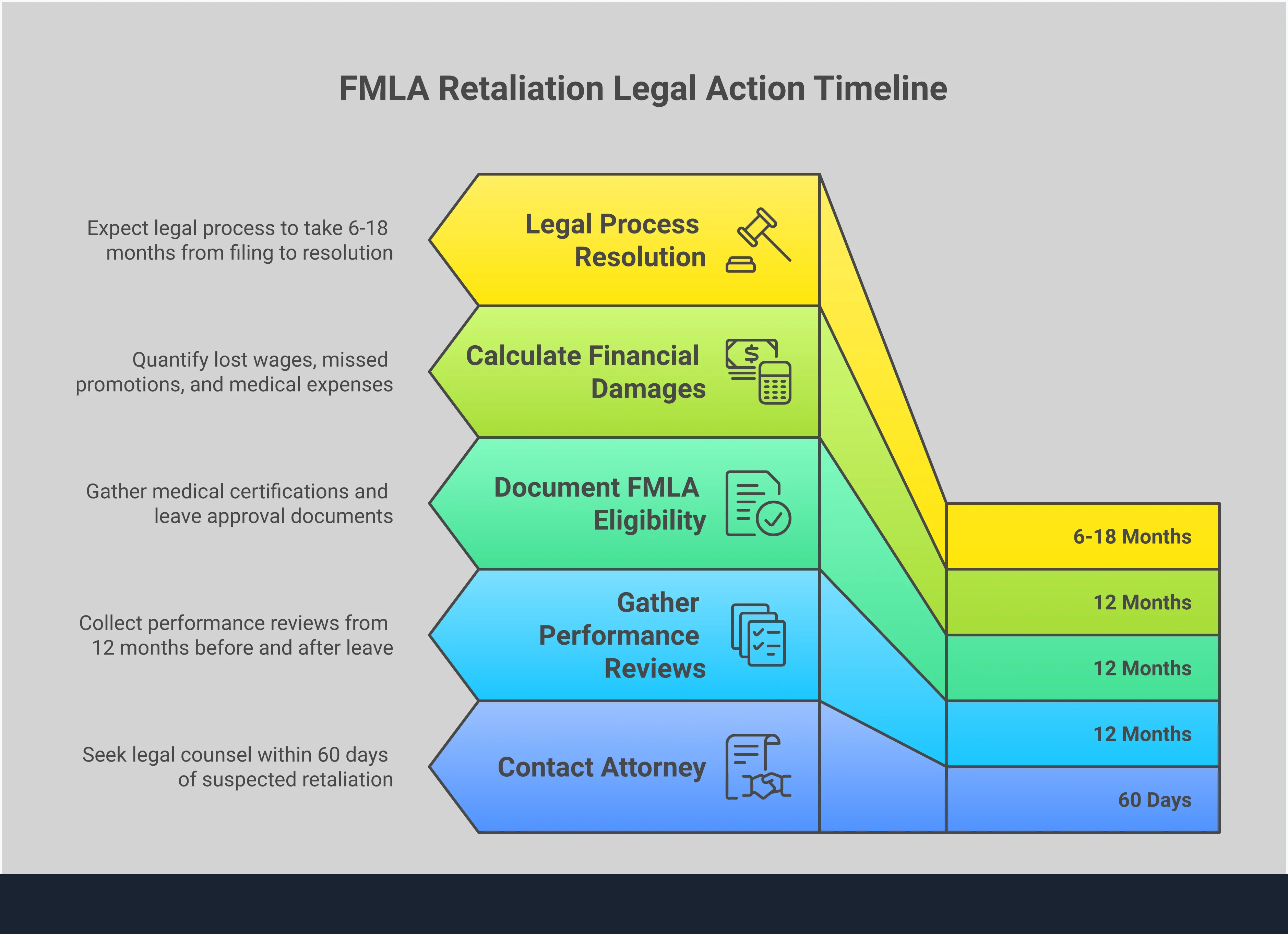
If you suspect you’re facing retaliation, your best first step is to document everything. Consistent, detailed records are crucial for building a persuasive account of what happened. Start a private log and note every incident that feels off, including the date, time, people involved, and a description of the event. Save any relevant emails, performance reviews, or internal messages that show a shift in how you’re being treated. Keep copies of your FMLA approval letters and any other related correspondence. This paper trail helps establish a timeline and can serve as powerful evidence if you become a victim of retaliation at work. Be as specific as possible, because these details can make all the difference.
Common Myths About FMLA Retaliation
Many people hesitate to act because they believe a few common myths about retaliation. One major misconception is that you need direct proof, like an email from your boss explicitly stating they’re punishing you for taking leave. In reality, this kind of evidence is extremely rare. Most retaliation cases are built on patterns of behavior and circumstantial evidence that show your employer’s actions were motivated by your leave. Another myth is that you’re completely protected from being fired after taking FMLA. An employer can still terminate you for legitimate reasons, like company-wide layoffs or poor performance that was documented before your leave began. The key is that your family and medical leave cannot be the reason for the negative action.
How a Lawyer Can Help Your FMLA Case
When you’re facing potential retaliation for taking medical leave, the path forward can feel overwhelming. This is where an experienced employment lawyer becomes your strongest advocate. They can handle the legal complexities so you can focus on your health and family. A lawyer will work with you to assess your situation, build a strong case, and fight for the compensation you deserve. From filing official complaints to negotiating with your employer, they manage the entire process, giving you the support you need every step of the way.
Evaluating Your Claim
Proving that your employer punished you for taking FMLA leave can be difficult. The connection between your leave and the negative action isn’t always obvious. An attorney with experience in FMLA cases can review the details of your situation and give you a clear, honest assessment of your claim’s strength. They will help you understand your rights and advise you on whether taking legal action is the right step for you. This initial evaluation is a crucial first step that helps you understand your options and what to expect as you move forward.
Gathering Evidence and Building Your Case
A strong case is built on solid evidence. Your lawyer will know exactly what to look for and how to piece it all together. This includes gathering documents like your FMLA approval letters, performance reviews from before and after your leave, and any emails or internal messages that suggest a retaliatory motive. They understand how to use both direct evidence, like a manager’s incriminating comment, and circumstantial evidence, like a sudden demotion right after your return, to build a persuasive argument. This detailed work is a key part of any employment law claim.
Filing Complaints and Negotiating a Settlement
If you decide to move forward, your lawyer will handle all the procedural steps. This includes filing a formal complaint with the appropriate government agencies and ensuring all deadlines are met. They will also represent you in all communications with your employer and their legal team. Many FMLA retaliation cases are resolved through a settlement before ever reaching a courtroom. An experienced attorney can negotiate effectively to secure a fair settlement that compensates you for the harm you’ve suffered, which can often be a form of wrongful termination.
Understanding Potential Outcomes
It’s important to know what you could recover if your case is successful. A lawyer can explain the potential outcomes based on the specifics of your situation. If you win your case, you may be entitled to compensation for lost wages and benefits, emotional distress, and attorney’s fees. In some instances, you could also be reinstated to your job or receive punitive damages, which are meant to punish the employer for their unlawful actions. Your attorney will help you understand what a realistic and fair outcome looks like for you.
How to Choose the Right FMLA Retaliation Lawyer
Choosing a lawyer to represent you is a significant decision, especially when you’re feeling vulnerable after a potential workplace issue. You’re not just hiring someone to handle paperwork; you’re looking for a partner who will advocate for you during a stressful and uncertain time. When you’re dealing with a potential FMLA retaliation case, the stakes are high. You need someone who not only understands the law inside and out but also gets what you’re going through on a personal level. The right attorney can make all the difference in the outcome of your case and your peace of mind throughout the process. It’s about finding a professional who can guide you through the legal system with confidence and compassion. This isn’t a choice to be rushed. Taking the time to find the right legal counsel means finding someone who will fight for your rights and help you seek the justice you deserve. It’s about ensuring your story is heard and that your case is handled with the care and attention it warrants. Let’s walk through a few key things to consider to help you find the best fit for you and your situation, so you can feel confident in your choice.
Look for Relevant Experience
First things first, you want a lawyer who lives and breathes employment law, specifically cases involving family and medical leave. Think of it like seeing a specialist for a specific health issue. You wouldn’t go to a general practitioner for heart surgery, right? The same logic applies here. An attorney with deep experience in FMLA retaliation claims will know the specific tactics employers use and the kind of evidence needed to build a strong case. They can give you clear advice on your rights and the best way to move forward. When you’re interviewing potential lawyers, don’t be shy about asking how many FMLA cases they’ve handled. Their experience is your advantage.
Review Their Track Record and Fee Structure
Once you’ve found a few lawyers with the right experience, it’s time to do a little homework. Look into their history of handling cases like yours. Many firms, including Our Firm, will share information about their approach and successes. Reading client testimonials or reviews can also give you a sense of what it’s like to work with them. At the same time, you need to have a clear conversation about fees. Most employment lawyers work on a contingency basis, meaning they only get paid if you win your case. But it’s crucial to understand the specifics of their fee structure upfront so there are no surprises down the road. A reputable lawyer will be transparent about all potential costs.
Find a Communication Style That Works for You
This might be the most important factor of all. You need to feel comfortable with your lawyer. You’ll be sharing personal and often stressful details about your job and your health, so finding someone you can trust is essential. During your initial consultation, pay attention to how they communicate. Do they listen to your story? Do they explain complex legal ideas in a way that makes sense? You should feel like you’re on the same team. A good lawyer will be an advocate who is not only skilled in employment law but is also approachable and responsive. You deserve to have your questions answered and to feel supported throughout the entire process.
How Much Does an FMLA Lawyer Cost?
One of the biggest questions people have when considering legal action is, “Can I afford this?” It’s a completely valid concern. The good news is that you have options, and many employment law firms are structured to help employees without requiring a huge upfront investment. Understanding how lawyers charge for their services can help you feel more confident about seeking the legal support you need. Most attorneys who represent employees understand their clients are often in a tough financial spot, so they offer fee structures that make legal help accessible. Let’s break down the most common ways lawyers are paid.
Contingency Fees vs. Hourly Rates
The most common payment arrangement for FMLA retaliation cases is the contingency fee. This means you don’t pay any attorney fees unless you win your case through a settlement or a court verdict. If you win, the lawyer receives a pre-agreed percentage of the amount you recover. This structure allows you to pursue justice without paying out of pocket. While some attorneys work on an hourly basis, an employee facing family and medical leave issues will find that a contingency fee is almost always the better option because it removes the financial risk.
What About Other Legal Costs?
Beyond attorney fees, every lawsuit involves other expenses. These are often called “case costs” and can include things like court filing fees or the cost of ordering transcripts from depositions. These costs are separate from the lawyer’s fee. In many contingency fee arrangements, the law firm covers these costs upfront and is reimbursed from the settlement or award. A good lawyer will be transparent about these potential expenses from the start, so there are no surprises. Understanding the full scope of employment law costs is a key part of the process.
Ask About Free Consultations
Most employment law firms offer a free initial consultation. This is your opportunity to get a professional opinion on your case without any financial commitment. During this meeting, you can share what happened, learn about your legal options, and get a feel for the lawyer’s communication style. This is also the perfect time to ask detailed questions about their fee structure. A reputable attorney will happily explain their contingency fee percentage and how case costs are managed. Learning more about our firm and our approach can help you feel confident as you decide on your next steps.
What to Do if You Suspect FMLA Retaliation
If you feel like you’re being punished for taking medical leave, it’s easy to feel powerless. But you have rights, and there are concrete steps you can take to protect yourself and your career. Acting thoughtfully and deliberately is your best strategy. It’s not about starting a fight; it’s about creating a clear record and understanding your options so you can make the best decision for your situation.
Start Documenting Immediately
The moment you suspect something is wrong, start writing everything down. This is the single most important thing you can do. Retaliation often isn’t a single, obvious event but a series of smaller actions that create a pattern. A sudden string of critical performance reviews, a change in your job duties, or being excluded from important meetings right after you return from leave can all be red flags.
Keep a private log of every incident, including dates, times, locations, and who was involved. Save any relevant emails, text messages, or internal communications. Be as detailed as possible. This documentation is crucial because it helps transform a gut feeling into a credible timeline of events, which can be essential if you need to prove workplace retaliation.
Follow Your Company’s Reporting Process
Your next step should be to check your employee handbook or company intranet for policies on reporting grievances or harassment. Following your employer’s official process is important for a few reasons. First, it formally puts the company on notice about your concerns, giving them a chance to correct the issue. Second, it creates an official paper trail showing that you tried to resolve the problem internally.
When you file a report with HR, do it in writing. Stick to the facts you’ve documented and avoid emotional language. Describe what happened, when it happened, and how it has negatively affected your job. Remember that there are often strict deadlines for filing complaints, so it’s best to act quickly once you’ve gathered your initial documentation.
Know When to Call a Lawyer
You don’t have to wait until you’re fired or demoted to speak with an attorney. In fact, getting legal advice early on can help you make more informed decisions. If your employer isn’t taking your internal complaints seriously or if the retaliatory behavior continues, it’s time to consult with a professional.
An experienced employment lawyer can help you understand your rights under the Family and Medical Leave Act. They can evaluate the strength of your claim, explain your legal options, and advise you on the best course of action. A consultation can provide clarity and a strategic plan, even if you decide not to take immediate legal action.
How to Protect Yourself During the Process
While you are documenting and reporting retaliation, it’s vital to protect yourself at work. Continue to perform your job duties to the best of your ability. This makes it harder for your employer to claim that any negative actions taken against you were based on poor performance. Keep your communications with your manager and HR professional and in writing whenever possible. If you have a verbal conversation, send a follow-up email summarizing what was discussed.
Keep your documentation in a safe, personal place, not on a work computer or device. Forward relevant work emails to your personal email address. Taking these steps helps ensure you maintain access to your evidence and protects you from accusations of misconduct, which can be critical if your situation leads to a wrongful termination claim.
Related Articles
- How to Sue for FMLA Violations & Retaliation
- Can You Be Fired While FMLA is Pending? The Answer
- The Secrets to FMLA Cases Won by Employees
Frequently Asked Questions
What if I was fired for “poor performance” right after my FMLA leave? This is a common concern, and the timing is definitely a red flag. While an employer can legally fire you for legitimate reasons that are unrelated to your leave, they can’t use “poor performance” as an excuse to retaliate. The key is to look at the context. If you had a strong work history before your leave and suddenly faced criticism or a negative review upon your return, it suggests the performance issue might be a pretext.
My boss isn’t firing me, but my job has become miserable since I got back. Is that still retaliation? Yes, it absolutely can be. Retaliation is not just about being fired or demoted. It includes any negative or hostile action that would discourage a reasonable employee from taking FMLA leave in the future. This can look like being excluded from meetings, being reassigned to less desirable tasks, being unfairly scrutinized, or being isolated from your team. If your work environment has soured directly because you took protected leave, it could be considered illegal retaliation.
What kind of evidence is actually useful for an FMLA retaliation case? You don’t need a written confession from your boss to have a strong case. Most retaliation claims are built using circumstantial evidence that shows a pattern of behavior. Your detailed personal log of incidents is one of the most powerful tools you have. Other helpful documents include your performance reviews from before and after your leave, any emails or messages that show a shift in how you were treated, and your official FMLA paperwork. This evidence helps create a clear timeline connecting your leave to the negative actions you experienced.
Do I have to report the retaliation to my company’s HR department before I can sue? While it is often a good idea to use your company’s internal reporting process, it is not always a legal requirement before you can file a claim. Reporting the issue to HR creates an official record and gives the company a chance to investigate and correct the behavior. However, if you don’t feel safe reporting it or if HR ignores your complaint, you should not hesitate to seek legal advice. An attorney can help you decide the best course of action for your specific circumstances.
How long do I have to file an FMLA retaliation claim? There are strict deadlines, called statutes of limitations, for filing a lawsuit. For FMLA retaliation, you generally have two years from the date of the last retaliatory action to file your claim. If the employer’s violation is found to be willful, that deadline can extend to three years. Because these time limits are firm, it is very important to act quickly. Consulting with a lawyer soon after the incident occurs will help ensure you protect your right to take legal action.
Think you were wrongfully terminated?
Get a free, confidential case evaluation from our experienced employment law attorneys.
Request Your Free Consultation