
The most visible part of a severance agreement is the money. It’s what your employer wants you to focus on. But the most important part of the agreement is what’s hidden in the fine print: everything you’re giving up in return. By signing, you are likely waiving your right to sue for wrongful termination, discrimination, harassment, or unpaid wages. You might also be agreeing to restrictive clauses that limit where you can work next or what you can say about your former employer. A severance package is a high-stakes trade, and you need to know if it’s a fair one. A detailed severance agreement review helps you look beyond the payment and understand the true cost of your signature.
Key Takeaways
- Understand the Trade-Off Before You Sign: A severance agreement is a contract where you exchange your right to sue for a compensation package. Carefully consider the “release of claims” clause to ensure the offer is fair compensation for any legal rights you are giving up.
- Recognize That the First Offer Is Negotiable: The initial agreement is a starting point, not a final decision. You can negotiate for more than just money, including extended health benefits, a positive reference, or less restrictive clauses that could limit your future career options.
- Invest in a Professional Legal Review: An employment lawyer acts as your advocate to translate confusing legal jargon, identify unfair terms, and assess the true value of your offer. This step is crucial for protecting your rights and making a fully informed decision.
What Is a Severance Agreement, and Why Should You Care?
Losing your job is stressful enough without being handed a dense legal document to sign. That document, a severance agreement, can feel like one more hurdle in an already difficult time. But before you sign anything, it’s crucial to understand what it is and what it means for you. A severance agreement is more than just a final paycheck; it’s a binding contract that outlines the specific terms of your departure from a company. It dictates what you get, but more importantly, what you give up in return.
Many people focus only on the dollar amount, but these agreements contain clauses that can impact your life for months or even years to come. They can affect where you work next, what you can say about your former employer, and whether you can take legal action if you feel you were treated unfairly. This is why you should care deeply about what’s inside that packet of papers. Taking the time to understand this document isn’t just a good idea—it’s one of the most important things you can do to protect your financial well-being and your future career options. It’s your chance to ensure the terms of your exit are fair and don’t leave you at a disadvantage.
Understanding Its Purpose and Power
At its core, a severance agreement is a legal paper that sets the rules for when you leave a company. It’s designed to protect the company’s interests, but it also provides you with benefits, like severance pay. Think of it as a trade. In exchange for compensation and maybe some continued benefits, you’re usually asked to release the company from any future legal claims. These agreements often contain tricky clauses that can affect your career long after you’ve left. You might find rules that stop you from working for a competitor (a non-compete), require you to keep company secrets (confidentiality), or prevent you from speaking negatively about your former employer (non-disparagement). These terms can limit your future job opportunities and your ability to pursue a wrongful termination claim if you believe you were let go unfairly.
When to Expect a Severance Offer
It’s a common myth that companies are required to offer severance pay. In reality, employers usually offer severance packages voluntarily. Unless you have a specific employment contract or are part of a union agreement that guarantees it, a severance offer is not a legal obligation. So, why do they do it? Companies offer severance to create a clean, amicable end to the employment relationship and, most importantly, to protect themselves from potential lawsuits. You’re most likely to receive a severance offer during company-wide layoffs or if your departure could lead to a legal challenge, such as a claim of discrimination or retaliation. Understanding that the offer is a strategic move by your employer is the first step in knowing its true value and your position.
What’s Actually Inside a Severance Agreement?
When your employer hands you a severance agreement, it can feel overwhelming. These documents are legal contracts, and they’re rarely simple. They are designed to protect the company, so it’s crucial to understand what you’re being asked to sign. At its core, a severance agreement is a trade: your former employer offers you a sum of money and potentially other benefits, and in exchange, you agree to a set of terms and conditions. Let’s break down the four main components you’ll almost always find inside.
The Money: Pay and Continued Benefits
This is the part most people focus on first—the severance pay. It’s the money and benefits your employer offers in exchange for your signature. This package can include a lump-sum payment based on your salary and years of service, but it often involves more. You might see offers for continued health insurance coverage (COBRA), payment for unused vacation or sick days, or contributions to your retirement plan. It’s important to look at the complete financial picture. Make sure the agreement clearly outlines exactly what you’re getting, how it will be paid, and when you can expect it. This section defines the value you receive for agreeing to the contract’s other terms.
The Silence: Confidentiality and Non-Disclosure Clauses
In exchange for severance pay, companies almost always ask for your silence. This is handled through confidentiality and non-disparagement clauses. A confidentiality clause prevents you from sharing the company’s private information or “trade secrets.” A non-disparagement clause stops you from making negative statements about the company, its employees, or its products. These agreements can feel restrictive, especially if you left due to a hostile work environment. It’s worth noting if this clause is one-sided. Often, you can negotiate for a mutual clause, meaning the company also agrees not to speak ill of you. This provides you with a layer of protection as you move on to your next role.
The Waiver: Signing Away Your Right to Sue
This is arguably the most significant part of any severance agreement. By signing, you are giving up your right to file a lawsuit against your former employer for nearly anything that happened during your employment. This is called a “general release of claims.” It covers a wide range of potential legal actions, including claims for wrongful termination, discrimination, harassment, and retaliation. The language is intentionally broad to protect the company from future legal trouble. Before you sign away these rights, you need to be absolutely certain that you don’t have a valid legal claim or that the severance package is fair compensation for releasing one.
The Restrictions: Non-Competes and Non-Solicitation Rules
Finally, many agreements include clauses that restrict your future work activities. A non-solicitation clause may prevent you from recruiting former colleagues or contacting former clients for a specific period. A non-compete clause aims to stop you from working for a competitor. However, it’s critical to know that in California, non-compete agreements are generally unenforceable for employees. While companies may still include them, they typically don’t hold up in court. Non-solicitation clauses, on the other hand, can be enforceable. Understanding the specific employment laws in California is key to knowing which restrictions are legitimate and which are simply an attempt to intimidate you.
Why You Should Always Have a Lawyer Review Your Severance Agreement
When your employer hands you a severance agreement, it can feel like a final, non-negotiable step. But it’s important to remember what this document really is: a legal contract designed to protect the company. It’s their lawyer’s job to look out for their interests, not yours. Signing it means you agree to its terms in exchange for severance pay and any other benefits offered. It also means you’re likely giving up your right to take legal action against them in the future for any past issues.
This is where having your own advocate becomes crucial. An employment lawyer works for you, leveling the playing field. They review the agreement to ensure your rights are protected and that the terms are fair. They can identify potential legal claims you might have—like discrimination or unpaid overtime—and help you understand the true value of what you’re being asked to give up. Without a professional review, you’re essentially taking the company’s word for it that the deal is a good one. A quick signature could cost you thousands of dollars in compensation or limit your future career options without you even realizing it. It’s a small step that provides significant peace of mind.
Protect Your Rights and Your Future
Think of a severance agreement as the final chapter of your employment with a company. A lawyer ensures that chapter ends on your terms, not just theirs. Their first job is to make sure you aren’t unknowingly signing away valuable legal rights. For instance, if you experienced harassment or believe you were a victim of retaliation at work, signing the agreement will almost certainly prevent you from pursuing those claims later. An attorney can assess the circumstances of your departure and advise you on whether the severance package is fair compensation for the rights you are giving up. They can often negotiate for better terms, including more pay, extended health benefits, or a more favorable description of your departure.
Translate the Confusing Legal Jargon
Severance agreements are dense with legal language that can be confusing and intimidating. Phrases like “waiver of claims,” “indemnification,” and “covenant not to sue” have very specific meanings and serious consequences. These documents are written by the employer’s attorneys to provide the maximum possible protection for the company. Without legal training, it’s easy to misinterpret a clause or miss its true impact. An employment lawyer acts as your translator, breaking down the jargon into plain English. They explain exactly what each section means for you, ensuring you have a clear picture of what you’re agreeing to before you sign. This clarity is essential to making an informed decision.
Spot Unfair Terms Before You Sign
Beyond the financial compensation, severance agreements often include restrictive clauses that can affect your career long after you leave. These can include non-compete, non-solicitation, and non-disparagement clauses. A non-compete might unfairly limit where you can work next, while a vague non-disparagement clause could put you at risk for just sharing your experience with a future employer. An attorney can spot terms that are overly broad, unreasonable, or even unenforceable under California law. They can help you negotiate these terms to be less restrictive, giving you the freedom to move on to your next opportunity without unfair limitations hanging over your head.
Red Flags to Watch For in Your Agreement
When your employer hands you a severance agreement, it’s easy to feel pressured to sign it quickly. But it’s important to remember that this document was drafted by their lawyers to protect the company’s interests, not yours. It’s a binding contract, and signing it means you agree to everything inside—the good, the bad, and the confusing. Taking the time to read it carefully and understand every clause is one of the most important things you can do to protect your career and your future.
Think of the agreement as a trade. Your employer offers you a severance package (money, benefits, etc.), and in exchange, you give up certain rights. The key is to make sure it’s a fair trade. Some companies will try to slip in clauses that are overly broad, unfair, or even legally questionable. Spotting these red flags is the first step toward negotiating a better deal or deciding whether to sign at all. We’ll walk through some of the most common issues to look out for, so you can approach your agreement with confidence and a clear understanding of what’s at stake.
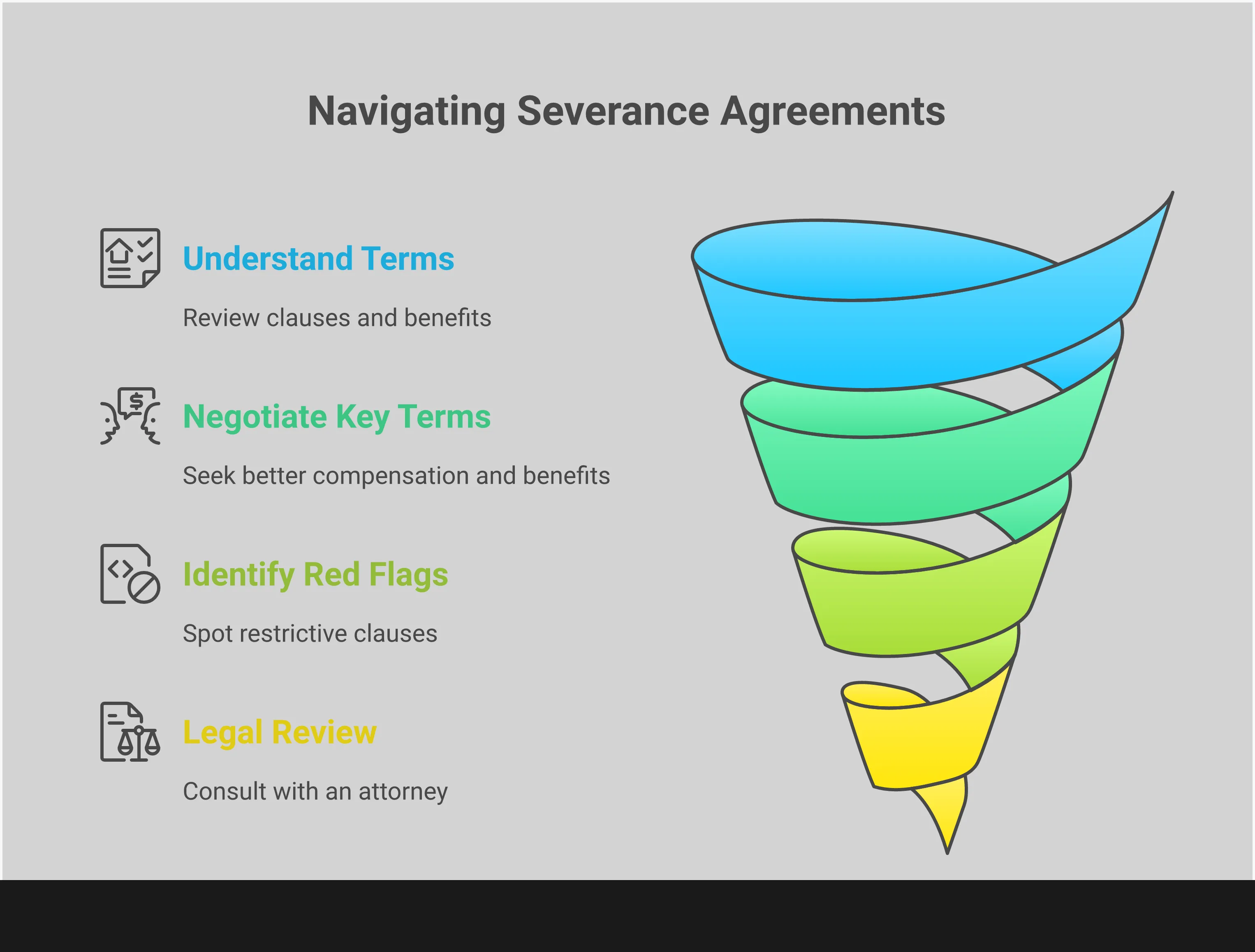
Vague Clauses That Give Up Too Much
One of the biggest red flags in any legal document is vague language. If a clause is written so broadly that it could mean almost anything, it’s probably designed to give your former employer the maximum possible advantage. You might see phrases like a release of “any and all claims, known or unknown, from the beginning of time to the date of this agreement.” This kind of catch-all language is a problem because you could be signing away your right to sue for issues you aren’t even aware of yet. A fair agreement should be specific about the rights you are waiving. Always push for clarity and precision in every single clause.
Unfair Limits on Your Next Career Move
Many severance agreements include clauses that can restrict your ability to earn a living after you leave. These are often called restrictive covenants and include non-compete, non-solicitation, and non-disparagement clauses. A non-compete attempts to prevent you from working for a competitor, while a non-solicitation clause stops you from contacting former clients or colleagues. While California has strong laws making most non-competes unenforceable, companies still try to include them. These clauses can seriously limit your job prospects, so it’s critical to understand exactly what you’re agreeing to. Don’t let your old job dictate the terms of your next one.
Giving Up Your Right to Justice
The main reason a company offers severance is to get you to sign a release of claims. This means you agree not to sue them for any legal issues related to your employment. If you believe you experienced discrimination, harassment, or wrongful termination, signing this waiver could permanently close the door on seeking justice. This is the most significant right you give up, and you need to be 100% sure it’s worth the money they’re offering. While you can’t legally waive certain rights, like filing a workers’ compensation claim or reporting illegal activity to a government agency, the agreement’s language might be written to discourage you from doing so.
Confidentiality Rules That Go Too Far
It’s reasonable for an employer to ask you to keep their trade secrets confidential. But some agreements contain confidentiality clauses that are far too restrictive. A red flag is a clause that prevents you from discussing your skills and experiences in future job interviews or one that forbids you from talking about the circumstances of your departure. In California, the Silenced No More Act protects your right to speak about unlawful workplace activity, like harassment or discrimination. An overly broad confidentiality clause could be an attempt to illegally silence you or cover up a hostile work environment.
How Much Does It Cost to Have a Lawyer Review Your Agreement?
When you’ve just been laid off, the last thing you want to think about is another expense. It’s completely understandable to wonder if paying a lawyer is worth it. But think of it this way: your former employer had their lawyers draft this agreement to protect their interests. Having a professional on your side is the best way to make sure your interests are protected, too. The cost of a review is often small compared to the rights or compensation you might unknowingly give up by signing without one. Understanding the potential costs and benefits is the first step toward making a confident decision about your future.
How Lawyers Typically Charge for a Review
For a straightforward review of a severance agreement, most employment lawyers charge a flat fee. This is great because you know the exact cost upfront, with no surprises. You can generally expect this fee to be somewhere between $400 and $500. However, this price can change based on a few factors, like the length and complexity of the document. A 20-page agreement with complicated non-compete clauses will naturally take more time to analyze than a simple two-page letter. The lawyer’s experience and location can also play a role. If you need the lawyer to go beyond the review and help you negotiate better terms, that would involve additional costs.
Weighing the Cost vs. the Benefits
The fee for a legal review is a small price to pay for peace of mind. An experienced attorney can quickly tell you if the offer is fair or if you’re leaving money on the table. In some cases, a lawyer might offer a free consultation if they see signs of a larger issue, such as a potential wrongful termination claim. The real value comes from knowing exactly what you’re signing. The cost of not getting a review could be much higher if you sign away your right to sue for more compensation or agree to terms that unfairly limit your future job prospects. At Our Firm, we believe in empowering employees with clear information.
Why It’s an Investment in Your Future
Viewing a legal review as an investment, rather than a cost, is the right mindset. This small, one-time fee can protect your financial stability and career for years to come. A lawyer will translate the dense legal language into plain English, so you understand every clause. They will identify any illegal or unfair terms, assess whether the compensation is reasonable, and help you understand the legal claims you might be waiving, such as those related to discrimination or unpaid wages. This expert guidance gives you the clarity and confidence to either sign the agreement, negotiate for better terms, or explore other legal options.
Can You Negotiate Your Severance Agreement? (The Answer is Yes)
When your employer hands you a severance agreement, it can feel like a final, non-negotiable document. But it’s important to remember that this is almost always an opening offer. Your employer has reasons for offering the package, and you have the right to discuss the terms before you sign. Negotiation is not only possible but often expected. The key is to approach the conversation thoughtfully and strategically, armed with a clear understanding of your rights and what you’re worth.
Busting Common Myths About Negotiation
One of the biggest myths is that the first offer is the best and final one. Many people believe the terms are set in stone, but that’s rarely the case. Companies often present a standard agreement, leaving room for discussion. Another common misconception is that asking for more will make you look greedy or could cause the company to rescind the offer entirely. In reality, a professionally handled negotiation is a standard business practice. Your employer is trying to protect their interests, and you should be doing the same for yours. Understanding that you have leverage—especially if you have potential legal claims—is the first step to securing a fairer deal.
How to Prepare to Negotiate
Before you even think about what to ask for, take a deep breath and slow down. One of the most common mistakes is signing too quickly without a thorough review. Start by gathering all your employment-related documents, like your original offer letter, performance reviews, and any company handbooks. Think about your contributions to the company and the circumstances of your departure. Most importantly, avoid the mistake of trying to act like a lawyer. The best way to prepare is to have an experienced employment lawyer review the agreement. They can help you understand your leverage, identify unfair clauses, and create a realistic negotiation strategy based on your specific situation.
What to Ask For and How to Get It
While more severance pay is a common goal, it’s not the only thing you can negotiate. You can also ask for extended health insurance coverage, a positive letter of reference, outplacement services to help you find a new job, or a change in how your departure is classified. You might also negotiate the terms of non-compete or non-disclosure clauses. The trick is how you ask. Instead of leading with a demand for more money, start by asking questions to understand the company’s position. Having a lawyer negotiate on your behalf can be particularly effective, as it signals you are serious and removes the emotion from the conversation, especially if you believe you were the victim of wrongful termination.
What Happens If You Don’t Sign?
Deciding whether to sign a severance agreement can feel like standing at a crossroads. One path offers immediate financial security, while the other preserves your right to take legal action. It’s a significant choice, and you don’t have to make it blindly. Refusing to sign is a valid option, but it comes with its own set of consequences and potential opportunities. The key is to understand exactly what you’re giving up and what you’re holding onto.
Walking away from the agreement means you forfeit the severance pay and benefits the company has offered. However, it also means you don’t sign away your legal rights. If you suspect your termination was unlawful—perhaps due to discrimination or retaliation—keeping your legal options open might be more valuable than the severance package itself. This decision isn’t just about the money on the table; it’s about what’s fair and what you’re entitled to under the law. Understanding both sides of this choice is the first step toward making the right decision for your future.
Know Your Rights if You Walk Away
It’s important to remember that in most cases, severance is a courtesy, not a requirement. Companies usually offer severance packages voluntarily to ensure a smooth transition and protect themselves from future lawsuits. Unless you have a specific employment contract or are part of a union agreement that guarantees severance, your employer isn’t legally obligated to offer you anything beyond your final paycheck.
If you choose not to sign, you are essentially declining the company’s offer. You won’t get the extra pay or benefits outlined in the agreement. However, you are still entitled to your final wages for the hours you’ve worked and, in California, payment for any accrued, unused vacation time. Walking away from the agreement doesn’t change these fundamental employment law protections.
Understand the Risks of Refusing to Sign
The most immediate risk of not signing your severance agreement is financial. You will lose out on the severance pay, which could be several weeks or months of salary. You’ll also forfeit any other perks included in the package, such as extended health insurance coverage or outplacement services. Once you decline the offer, the company will likely withdraw it for good.
Remember, a severance agreement is a binding contract. By offering it, your employer is trying to create a clean break. If you refuse to sign, you’re refusing their terms for that clean break. This means you lose any negotiated benefits that might have been favorable, but you also retain your right to pursue legal action if you believe your termination was unjust. It’s a trade-off you need to weigh carefully.
Explore Your Other Legal Options
Not signing a severance agreement keeps all your legal options on the table. This is the most compelling reason to pause and consider your situation before picking up a pen. If you believe you were let go for an illegal reason, signing the agreement would mean waiving your right to seek justice. This is particularly critical if you suspect your termination was a case of wrongful termination.
For example, were you fired shortly after reporting harassment, filing a workers’ compensation claim, or taking protected medical leave? These could be instances of illegal retaliation. Or perhaps you believe you were targeted due to your age, race, gender, or a disability. If any of this sounds familiar, you should speak with an attorney to understand the strength of your potential claim. A legal professional can help you determine if what you might gain from a lawsuit outweighs the certainty of the severance offer.
How Long Do You Have to Decide?
When your employer hands you a severance agreement, it can feel like a ticking time bomb. The pressure to sign quickly can be immense, especially when you’re already dealing with the stress of a job loss. But I want you to take a deep breath and remember this: you have time, and that time is protected by law. The review period isn’t just a courtesy; it’s a legal right designed to give you the space to make a clear-headed decision without being rushed.
Understanding your deadlines and how to use this review period effectively can make all the difference in securing a fair outcome. This is your opportunity to pause, evaluate the offer, and ensure you aren’t signing away important rights without proper consideration. Think of it less as a deadline and more as a safeguard for your career and financial well-being. Rushing this process can lead to regret, while taking a measured approach empowers you to move forward on the best possible terms. Before you even think about signing, let’s talk about the specific timelines you’re working with and how to make every day of that review period count.
Know Your Legal Deadlines
In California, you can’t be forced to sign a severance agreement on the spot. State and federal laws provide a mandatory window for you to review the document. Generally, California law requires your employer to give you at least five business days to consider the agreement. If you are over the age of 40, federal law extends this period to at least 21 days to protect you from waiving potential age discrimination claims without proper thought. After you sign, you also typically have a seven-day revocation period to change your mind. These timelines are the legal minimums, so don’t let anyone convince you that you need to decide any faster. This time is yours to use.
Make the Most of Your Review Period
Don’t let the review period go to waste. This is your chance to fully understand what you’re signing and what you might be giving up, which could include your right to pursue a wrongful termination claim. The single most important step you can take is to have an experienced employment lawyer review the agreement. We can translate the dense legal language into plain English, identify any unfair or illegal terms, and advise you on whether the offer is reasonable. You have the right to seek legal counsel during this time, and you should never feel pressured to skip this step. Take your time, gather your paperwork, and use this opportunity to protect your interests.
Your Pre-Signing Checklist: What to Do Before You Pick Up a Pen
When your employer hands you a severance agreement, it’s easy to feel pressured to sign it quickly and move on. But this document is a legally binding contract that can have a major impact on your finances and future career. Before you even think about signing, it’s essential to pause, take a breath, and get organized. Think of it as your due diligence. By methodically working through a few key steps, you can approach the agreement with clarity and confidence, ensuring you fully understand what you’re agreeing to. This checklist will walk you through the practical steps to take, from gathering paperwork to seeking professional advice, so you can make an informed decision that truly protects your best interests.
Gather Your Important Documents
First things first, you need to collect all the paperwork related to your employment. Your severance agreement doesn’t exist in a bubble; it’s connected to your entire history with the company. Having these documents on hand provides crucial context and helps you (and your attorney) evaluate the fairness of the offer.
Start by gathering your original employment contract or offer letter, any non-disclosure or non-compete agreements you signed, recent pay stubs, and your employee handbook. It’s also wise to collect any performance reviews, emails, or other communications related to your termination. A severance agreement is a final contract, and once you sign it, it’s usually binding. Having all the facts in front of you is the first step in understanding the full picture of your employment law situation.
Think About the Tax Implications
Severance pay isn’t free money—it’s considered taxable income, and you need to understand how it will affect your financial situation. The way your severance is paid out can make a big difference. For example, receiving a single lump sum could push you into a higher tax bracket for the year, while smaller payments over time might have a different impact.
The structure of the payout can also affect your eligibility for unemployment benefits. Before you sign, consider how the payment is classified and what the tax withholdings will be. While an employment lawyer can advise on the legal aspects of your agreement, it’s also a good idea to consult with a tax professional to understand the full financial consequences. This is especially important if your situation involves complex wage and hour claims.
Keep a Clear Record of Everything
From the moment you receive the offer, documentation is your best friend. Keep a detailed record of all conversations related to your severance package, including who you spoke with, the date, and what was discussed. Save all related emails and written correspondence in a safe place that you can access from a personal device. This information creates a clear timeline and can be incredibly valuable if you decide to negotiate or if any disputes arise later.
Most importantly, this is the time to get an expert opinion. It is highly recommended to have an employment lawyer review your severance package. They can translate the dense legal language, explain exactly what rights you might be signing away, and determine if the terms are fair, especially if you believe you are a victim of wrongful termination.
Strategies for Negotiating Your Severance Package
Don’t sign the first document they hand you. You often have more leverage than you realize, especially if you are being forced out.
How to Counter-Offer: > If the company offers two weeks of pay, counter based on your years of service and the “release of claims.” By signing, you are giving up your right to sue; that has a dollar value.
Can I Get Severance if I Resign? Usually, no. However, if you are being “constructively discharged” (forced to quit because the environment is unbearable), you may be able to negotiate a “voluntary separation agreement” that includes pay in exchange for a clean break.
The Constructive Dismissal Rule: If a reasonable person would find your working conditions intolerable, the law treats your resignation like a firing. This is a critical leverage point in negotiations.
Related Articles
- How to Negotiate a Severance Package: 7 Steps
- Why You Need a Severance Negotiation Attorney
- Wrongful Termination Attorney in California | Bluestone Law
Frequently Asked Questions
Is my employer legally required to offer me a severance package? This is a common point of confusion, but in most situations, the answer is no. California law does not mandate severance pay for terminated employees. Companies offer these packages voluntarily, primarily to protect themselves from future lawsuits. Think of it as a business transaction: they are offering you money in exchange for your signature on a contract that releases them from legal claims. Understanding that it’s an optional offer is the first step in realizing you have the power to discuss the terms.
What’s the biggest risk of signing without a legal review? The most significant risk is unintentionally signing away your right to pursue a valid legal claim for far less than it’s worth. Buried in the legal language is almost always a “general release of claims,” which prevents you from suing for things like wrongful termination, discrimination, or unpaid overtime. Without a professional review, you may not recognize that you have a strong case, and you could be accepting a small sum in exchange for giving up your right to fair compensation.
Will my employer take back the offer if I try to negotiate? It’s a common fear, but it’s very unlikely. A professionally handled negotiation is a standard part of the process, not a reason to pull the offer. Your employer wants the agreement signed to secure their legal protection. Rescinding an offer simply because you asked for fairer terms can be seen as a sign of bad faith. Approaching the conversation calmly and reasonably, ideally with a lawyer’s guidance, shows you are taking the agreement seriously.
Can I still collect unemployment benefits if I accept a severance package? Yes, you can generally still collect unemployment, but the severance pay can affect the timing of your benefits. In California, the Employment Development Department (EDD) will look at how your severance is paid. If you receive it as a lump sum, it may not delay your benefits, but if it’s paid out over time like a regular paycheck, it could postpone when your unemployment payments begin. It’s always best to check the EDD’s specific rules, as they can be complex.
My agreement includes a non-compete clause. I thought those were illegal in California? You are correct; the vast majority of non-compete agreements are unenforceable for employees in California. Companies sometimes include them anyway, either because they are using a generic template or because they hope the clause will intimidate you from seeking work with a competitor. An attorney can help you formally challenge this clause and ensure it is removed or officially acknowledged as void, giving you the freedom to pursue your next career opportunity without fear.
Think you were wrongfully terminated?
Get a free, confidential case evaluation from our experienced employment law attorneys.
Request Your Free Consultation