
Sexual harassment doesn’t just take an emotional toll; it can seriously damage your career and financial stability. Whether you were denied a promotion, forced to quit, or wrongfully terminated, the law recognizes that you have suffered tangible losses. This guide explains how you can hold your employer accountable for the harm they’ve caused. We will detail the types of compensation you can recover, including lost wages, damages for emotional distress, and even punitive damages. Understanding the potential outcomes is a key part of the process, as suing for sexual harassment is the legal mechanism for recovering what you are rightfully owed.
Key Takeaways
- Your Detailed Record Is Your Strongest Tool: Building a strong case starts with meticulous documentation. Keep a private log of every incident—including dates, times, specific actions, and witnesses—and preserve all digital evidence like texts and emails to create a clear, undeniable account of the harassment.
- The Law Protects You, But Deadlines Are Strict: Both federal and California laws shield you from harassment and prohibit employer retaliation for reporting it. However, these rights are time-sensitive, so you must file a claim within the legal deadlines to preserve your ability to seek justice.
- Professional Guidance Is Key to a Fair Outcome: You don’t have to handle this alone. Partnering with an employment lawyer provides you with an advocate who can manage the legal process, counter employer defense tactics, and fight for the full compensation you deserve for lost wages, emotional distress, and other damages.
What Is Considered Sexual Harassment?
It can be difficult to know if what you’re experiencing at work crosses the line from uncomfortable to illegal. At its core, sexual harassment isn’t about romance or attraction; it’s about power and control. Legally, it’s any unwelcome conduct of a sexual nature that affects your employment, interferes with your work, or creates an intimidating or offensive environment. Understanding the legal definitions can help you identify what’s happening and empower you to take the next step. California law recognizes two primary forms of this misconduct, and knowing the difference is key.
The Two Main Types of Workplace Harassment
The first type is Quid Pro Quo harassment, a Latin phrase meaning “something for something.” This is when a supervisor offers or implies a work benefit—like a raise or keeping your job—in exchange for a sexual favor. It also includes threats of punishment if you refuse. Even one instance can be illegal. The second type creates a Hostile Work Environment. This occurs when unwelcome sexual conduct is so severe or pervasive that it makes your workplace intimidating or abusive, interfering with your ability to do your job.
Examples of Harassing Behavior
Harassment can take many forms, and it’s not always obvious. It can be verbal, physical, or visual. Some common examples of Sexual Harassment include unwelcome sexual advances, repeated requests for dates, or demands for sexual favors. It also covers inappropriate touching, blocking someone’s movement, or making offensive gestures. Beyond physical actions, harassing behavior can include sharing sexually explicit images, telling lewd jokes, or making degrading comments about someone’s gender. The harasser can be anyone at work—a supervisor, co-worker, or client. The conduct is illegal when it becomes a condition of employment or creates an abusive environment.
The Toll of Harassment: Physical and Emotional Impacts
The effects of sexual harassment extend far beyond the workplace. Enduring this treatment can take a serious toll on your mental and emotional well-being, often leading to anxiety, depression, and feelings of shame. Many people find their work performance suffers because the stress makes it impossible to focus. This emotional distress can also cause physical symptoms like headaches or sleeplessness. The constant fear and discomfort can damage your confidence and harm your career. In some cases, the environment becomes so unbearable that it amounts to a wrongful termination because you feel you have no choice but to quit. Your health and career are too important to sacrifice.
Know Your Rights: Legal Protections Against Harassment
Facing harassment at work can make you feel powerless, but it’s so important to remember that you have powerful legal protections on your side. Both federal and state laws are designed to shield you from this kind of misconduct and hold employers accountable for maintaining a safe workplace. Understanding these rights is the first step toward taking back control. It’s not just about knowing the rules; it’s about knowing that the law recognizes your right to a work environment free from hostility and discrimination. Let’s walk through the key laws that protect you.
Federal Laws That Protect You
On a national level, federal law makes it illegal for an employer to harass you based on your sex. This isn’t limited to physical actions; it covers unwanted sexual advances, requests for sexual favors, and other inappropriate verbal conduct. The U.S. Equal Employment Opportunity Commission (EEOC) is the federal agency that enforces these laws to ensure workplaces are safe and respectful for everyone. This means you have a federal body dedicated to upholding your right to work without being subjected to this kind of behavior. It’s a foundational protection that applies to employees across the country.
California’s Anti-Harassment Laws
California takes employee protection a step further with some of the strongest anti-harassment laws in the nation. The Fair Employment and Housing Act (FEHA) offers more extensive protections than federal law. A key difference is that FEHA applies to all employers in California, no matter how small their business is. This law requires every employer to take proactive steps to prevent and correct harassment, not just react to it. This means they have a legal duty to create a safe environment, which gives you a powerful tool when holding them accountable for a hostile work environment.
Your Right to Report Without Fear of Retaliation
One of the biggest fears people have when reporting harassment is facing punishment for speaking up. The law is very clear on this: it is illegal for your employer to retaliate against you for reporting harassment. When you file a complaint, your employer has a legal obligation to protect you from further harassment and any form of retaliation. This includes being fired, demoted, reassigned to a less desirable role, or having your hours cut. You should feel safe coming forward. If you experience any negative consequences after making a report, that could be a separate legal claim for retaliation at work.
How to Build a Strong Sexual Harassment Case
Building a strong legal case starts with solid preparation. If you are experiencing sexual harassment, taking organized, deliberate steps to document your experience can make a significant difference. These actions create a clear and credible record, providing the foundation your attorney needs to effectively advocate for you. Think of this as gathering the facts that will tell your story in a powerful and undeniable way. Each piece of evidence, from a saved text message to a note in your journal, helps build a comprehensive picture of what you have endured.
Document Everything: What You Need to Keep
When you’re dealing with a hostile work environment, your memory is your first line of defense, but writing things down makes your account concrete. Start a private log, either in a notebook you keep at home or a secure digital file. For every incident of harassment, record the date, time, and location. Write down exactly what happened and what was said, using direct quotes if you can. Note who was there and if anyone else saw or heard the interaction. This detailed record-keeping is fundamental to building a case and helps establish a pattern of behavior, which is often crucial in sexual harassment claims. Be as specific as possible—it’s these details that will give your story power.
Preserve Digital Evidence (Texts, Emails, Social Media)
In many cases, harassers leave a digital trail. It’s essential that you save every piece of it. This includes inappropriate text messages, emails, direct messages on social media, or even comments on shared documents. Don’t delete anything, even if your first instinct is to get rid of it. Take screenshots of messages, especially on platforms where content can be unsent or deleted. Forward relevant work emails to your personal email address for safekeeping. This digital evidence can provide undeniable proof of the harassment you’ve endured. Think of it as a collection of facts that can support your personal account of what happened, making your case that much stronger.
Identify and Speak with Potential Witnesses
You may not be the only person who has noticed the inappropriate behavior. Think about colleagues who were present during incidents or who may have experienced similar treatment from the same person. Make a private list of these potential witnesses and their contact information. While you should be cautious about discussing the details of your situation with coworkers, simply knowing who can corroborate your story is a huge step. An experienced attorney can later determine the best way to approach these individuals. Having witnesses can validate your claims and show that the harasser’s behavior is a pattern, not an isolated incident, which is key to proving a hostile work environment.
The Importance of Medical and Therapy Records
Harassment takes a significant emotional and physical toll, and it’s important to acknowledge that. If you’ve seen a doctor or therapist for anxiety, depression, stress, or other health issues related to your work environment, those records are a critical part of your case. They serve as professional documentation of the harm you’ve suffered. These records can help demonstrate the severity of the impact on your well-being, which is a key component in calculating damages for emotional distress. Seeking help is a sign of strength, and in a legal context, it also provides tangible evidence of the real-world consequences of the harassment you’ve faced. Your health should always be the priority.
Create a Detailed Timeline of Events
Once you’ve gathered your notes, digital evidence, and list of witnesses, organize everything into a chronological timeline. Start with the first incident and map out each event in the order it occurred. Include key dates, such as when you reported the behavior to HR and any response you received. This timeline creates a clear, easy-to-follow narrative of the harassment and your employer’s reaction (or lack thereof). Providing a well-organized timeline to an employment lawyer is incredibly helpful. It allows them to quickly grasp the scope of your case, identify patterns of behavior, and build the strongest possible legal strategy on your behalf from the very first conversation.
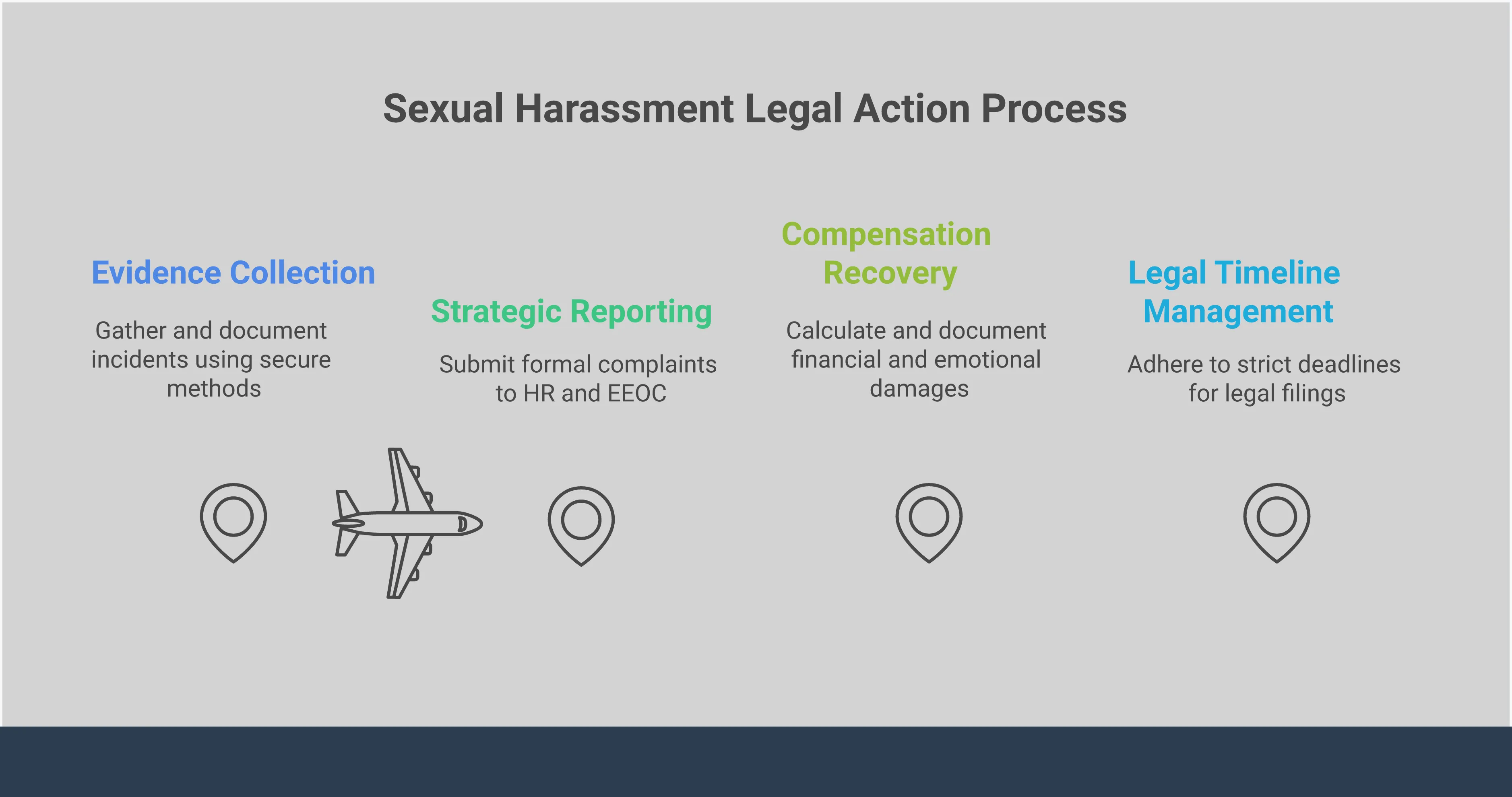
Taking Action: How to File Your Claim
Deciding to move forward with a sexual harassment claim is a significant step, and it’s completely normal to feel overwhelmed by the process. The good news is that you don’t have to figure it all out alone. By following a clear path and getting the right support, you can confidently stand up for your rights. Let’s walk through the key actions you’ll need to take to file your claim and hold your employer accountable.
Step 1: Reporting Harassment to Your Employer
Your first official step is usually to report the harassment internally. Check your employee handbook for your company’s specific reporting policy. Following this procedure is important because it puts your employer on notice and gives them a chance to fix the problem. Make your report in writing (an email works well) so you have a dated record of when you reported the issue and what you said. Be clear and factual about the incidents. This internal report is a crucial piece of evidence that shows you tried to resolve the situation, which can strengthen any future legal action.
Step 2: Filing with the EEOC or California’s CRD
If your employer doesn’t resolve the issue after you report it, your next move is to file a formal complaint with a government agency. In California, you can file with either the federal U.S. Equal Employment Opportunity Commission (EEOC) or the state’s Civil Rights Department (CRD). This step is a legal requirement before you can file a lawsuit in court. These agencies will investigate your claim of workplace discrimination. Once their investigation is complete, they will issue you a document called a “Notice of Right to Sue,” which gives you the green light to proceed with a lawsuit.
Don’t Miss Your Deadline: Understanding the Statute of Limitations
When it comes to filing a claim, time is of the essence. There are strict deadlines, known as the statute of limitations, that you absolutely cannot miss. Generally, you have 180 to 300 days from the date of the harassment to file a charge with the EEOC. In California, you typically have three years to file with the CRD. Once you receive your “Right to Sue” notice from either agency, the clock starts ticking again—you usually have only 90 days to file a lawsuit in court. These deadlines are firm, so it’s critical to act quickly to protect your right to seek justice.
Why Partnering with an Employment Lawyer Matters
The legal system is complicated, and you shouldn’t have to handle it while also dealing with the emotional toll of harassment. Working with an experienced employment lawyer can make all the difference. A lawyer will help you meet every deadline, gather the right evidence, and build the strongest possible case. They can handle communications with your employer and the government agencies, taking that weight off your shoulders. Most importantly, an attorney from a dedicated firm like Bluestone Law will be your advocate, ensuring your story is heard and you are treated fairly throughout the entire process.
Preparing for Common Challenges in Your Case
Filing a lawsuit is a courageous step, but it’s not always a straightforward path. Being aware of the potential hurdles can help you feel more in control and prepared for what’s ahead. Your employer and their legal team will build a defense, and the dynamics at your job might shift. Knowing what to expect can make all the difference as you move forward with your attorney to build the strongest case possible.
What Is the “Burden of Proof”?
You’ll likely hear the legal term “burden of proof,” and it’s important to understand what it means for your case. In a sexual harassment lawsuit, the burden of proof is on you, the person filing the claim. This means it’s your responsibility to provide enough evidence to convince a court that your claims are true. You’ll need to demonstrate that the harassment occurred and that it either created a hostile work environment or resulted in a negative employment action, like being fired or demoted. This is why the detailed documentation we discussed earlier is so crucial—it forms the foundation of your case.
Common Tactics Employers Use to Defend Claims
Your employer will have a legal team working to challenge your claim. It’s helpful to know their common strategies so you aren’t caught off guard. They might argue that the conduct wasn’t “severe or pervasive” enough to legally qualify as harassment. They could also claim you didn’t follow the company’s internal reporting procedures before filing a lawsuit. In some cases, the defense may even try to question your credibility or suggest the interactions were consensual. An experienced employment lawyer can anticipate these tactics and prepare a strong response to protect your rights.
How to Protect Your Privacy
Going through a lawsuit can feel incredibly exposed, but you can take steps to protect your personal information. The most important rule is to keep all your documentation—your notes, emails, texts, and any other evidence—private. You should only share these materials with your attorney. Discussing the details of your case with friends, family, or coworkers can unintentionally harm your claim if the defense learns about it. Maintaining confidentiality ensures that your evidence remains secure and that you and your attorney control the narrative of your case.
Dealing with Workplace Dynamics After You File
Filing a complaint can change how you’re treated at work. It’s common to feel isolated or even face hostility from colleagues or managers. You need to know that the law protects you from retaliation for reporting harassment. This means your employer cannot legally fire, demote, or otherwise punish you for taking action. However, retaliation does happen. If you notice any negative changes in your job duties, schedule, or how you’re treated after you file a complaint, document it immediately and inform your attorney. This behavior is illegal and can become a key part of your lawsuit.
What to Expect: A Timeline of the Legal Process
The thought of a lawsuit can feel overwhelming, but knowing what to expect can make the entire process feel much more manageable. The legal journey has a clear structure, with distinct phases from start to finish. While every case is unique, they generally follow a similar path. It’s also important to remember that the vast majority of sexual harassment cases are resolved through a settlement and never see the inside of a courtroom. An experienced attorney will guide you through each stage, ensuring you are prepared for what comes next.
The Initial Steps: Investigation and Demand Letters
After your initial consultation, your attorney will begin a thorough investigation into your claim. This involves gathering all relevant evidence, such as emails, text messages, performance reviews, and identifying potential witnesses. Before you can file a lawsuit, you typically need to file a formal complaint with a government agency like the federal Equal Employment Opportunity Commission (EEOC) or California’s Civil Rights Department (CRD). This is a required step to obtain a “right to sue” letter. Once your attorney has built a strong foundation for your case, they may send a demand letter to your employer. This letter details the harassment you experienced and proposes a resolution to settle the matter without going to court.
The Discovery Phase: Exchanging Information
If a demand letter doesn’t lead to a fair resolution, the next step is to file a lawsuit. Once the suit is filed, the “discovery” phase begins. This is the formal process where both sides exchange all information and evidence related to the case. The goal is to ensure there are no surprises if the case goes to trial. Discovery involves several tools, including written questions (interrogatories), requests for documents (like your complete personnel file or company policies), and depositions, which are in-person interviews where you and other witnesses give sworn testimony. This phase can take several months, but it is essential for uncovering the facts and strengthening your sexual harassment claim.
Exploring a Settlement
While discovery is happening, your attorney will likely be exploring settlement options. Most employment lawsuits are resolved out of court because it saves both sides the time, expense, and emotional toll of a trial. A common way to reach a settlement is through mediation. During mediation, you, your attorney, your employer, and their attorney meet with a neutral third party called a mediator. The mediator’s job is to help facilitate a conversation and guide both parties toward a mutually agreeable resolution. These negotiations are confidential and can happen at any point in the legal process, offering a path to closure without a public trial.
Preparing for Trial
If a fair settlement cannot be reached, your case will be scheduled for trial. This is the final stage where your attorney presents your case to a judge or jury. Preparation is intensive and involves organizing all the evidence, preparing witnesses to testify, and developing a clear strategy to tell your story effectively. At trial, both sides will make opening statements, present evidence, question witnesses, and give closing arguments. While going to trial is rare, it is sometimes necessary to get the justice you deserve. Having a dedicated legal team from our firm by your side ensures you are fully prepared to present the strongest case possible.
What Compensation Can You Recover in a Lawsuit?
When you decide to file a sexual harassment lawsuit, you’re taking a powerful step toward justice. A key part of that justice is financial compensation, which the legal system calls “damages.” The purpose of damages is to address the harm you’ve suffered in every form—from lost income and career setbacks to the emotional toll it has taken on you. In some situations, damages also serve to punish the employer for their unacceptable behavior.
The compensation you can recover depends on the specific circumstances of your case. California’s employment laws provide strong protections for workers, allowing you to seek several types of relief. This isn’t just about putting a number on your experience; it’s about the legal system formally acknowledging the full scope of the damage done to your career, finances, and well-being. It recognizes that the impact of harassment doesn’t stop when you leave the office. It can affect your health, your relationships, and your ability to feel safe at work. Understanding these potential outcomes can help clarify the path ahead and reinforce that you are fighting for something tangible. Let’s break down the main types of compensation you can pursue in a sexual harassment lawsuit.
Recovering Lost Wages and Harm to Your Career
When harassment forces you out of a job or stalls your career, the financial hit can be devastating. The law allows you to recover these losses. This is often calculated as “back pay,” which covers the wages, bonuses, and benefits you lost from the time you were fired or forced to quit up until a settlement or verdict.
If the harassment has damaged your long-term career prospects, you may also be entitled to “front pay.” This compensates you for future lost earnings if returning to your old job isn’t an option and finding a similar-paying position is difficult. This is especially relevant in cases of wrongful termination where the harassment made your job unbearable.
Compensation for Emotional Pain and Suffering
The impact of sexual harassment goes far beyond a paycheck. The emotional and psychological toll is often the most significant damage. California law recognizes this and allows you to seek compensation for emotional distress, which can include anxiety, depression, sleeplessness, and mental anguish caused by the hostile work environment.
While it’s impossible to put a price tag on your well-being, these damages are meant to acknowledge the real suffering you’ve gone through. Documenting this harm through therapy records or personal journals can be a critical part of demonstrating the extent of your pain and suffering to the court.
Punitive Damages: Holding Employers Accountable
Sometimes, an employer’s conduct is so outrageous that simply compensating the victim isn’t enough. This is where punitive damages come in. These are not designed to repay you for a loss but to punish the employer for malicious or reckless behavior and to deter other companies from acting similarly.
Punitive damages are typically awarded in cases where an employer knew about the severe sexual harassment and did nothing to stop it, or even tried to cover it up. It sends a powerful message that a company’s deliberate disregard for employee safety and rights will not be tolerated.
Reimbursement for Medical Expenses
Dealing with the aftermath of harassment often requires professional help. If you’ve incurred costs for therapy, medication, or other medical treatments to cope with the stress and trauma, you can be reimbursed for those expenses.
This includes both past and future anticipated medical costs related to the harassment. Be sure to keep detailed records and receipts of all therapy sessions, prescriptions, and doctor’s visits. These documents serve as direct evidence of the financial costs associated with the emotional and physical harm you suffered, strengthening your claim for full reimbursement.
Can You Get Your Job Back?
In some situations, you may want your old job back. This legal remedy is called “reinstatement.” If you were unjustly fired as a result of the harassment or in retaliation for reporting it, a court can order your employer to give you your position back.
However, reinstatement isn’t always practical. The work environment might still be toxic, or the trust between you and the employer may be completely broken. In these cases, the court may award “front pay” instead, as mentioned earlier. This provides financial compensation to help you bridge the gap while you find a new job, acknowledging the reality of a wrongful termination that makes returning impossible.
Building a Strong Sexual Harassment Case in California
To successfully sue for sexual harassment, you must move beyond allegations and provide concrete evidence that the conduct violated state or federal law. Whether you are in Los Angeles, Sacramento, or elsewhere in California, the standard of proof remains rigorous.
What Legally Constitutes Sexual Harassment?
Not all unpleasant behavior qualifies as illegal harassment. To have a valid claim, the conduct must generally fall into one of two categories:
Quid Pro Quo: This occurs when a supervisor conditions employment benefits (like a raise or promotion) on the acceptance of sexual advances, or threatens negative consequences for rejection.
Hostile Work Environment: This exists when harassment is severe or pervasive enough to create an abusive work atmosphere. Isolated incidents usually do not qualify unless they are extremely severe (e.g., sexual assault).
Statute of Limitations: Don’t Miss Your Deadline
Time is critical in employment law. In California, you typically have three years from the date of the last incident of harassment to file a complaint with the Civil Rights Department (CRD). Once you receive a “Right to Sue” notice, you generally have one year to file a lawsuit in civil court.
How to Document Harassment (Best Practices)
Judges and juries rely on evidence. We recommend the following steps:
Keep a Journal: Write down every incident with dates, times, locations, and witnesses.
Save Communications: Preserve all emails, texts, and Slack messages that contain inappropriate content.
Report Internally: If safe to do so, report the behavior to HR in writing to ensure the employer cannot claim they were unaware of the situation.
Related Articles
- California sexual harassment lawyer – Bluestone Law
- Sexual Harassment Lawyer California – Bluestone Law
- How to Stop Mental Harassment at Workplace
- Your Guide to Workplace Harassment Lawyers in California
- Canoga Park Employment Lawyer – Bluestone Law
Frequently Asked Questions
What if the harassment isn’t physical or explicitly sexual? Sexual harassment is not limited to unwanted touching or direct requests for favors. It absolutely includes verbal or visual conduct that creates a hostile environment. This can look like persistent, offensive jokes, degrading comments about your gender, or sharing inappropriate images. The key is whether the behavior is unwelcome and makes your workplace intimidating or abusive because of your sex.
I’m afraid I’ll be fired or punished if I report this. What are my protections? This is one of the most common and valid fears, and the law is designed to protect you. It is illegal for your employer to retaliate against you in any way for reporting harassment in good faith. This means they cannot fire you, demote you, cut your hours, or otherwise punish you for speaking up. If they do, it creates a separate legal claim for retaliation, which can strengthen your overall case.
What if the person harassing me is my direct supervisor or the owner of the company? This is a difficult situation, but you still have options. First, check your employee handbook to see if there is an alternative person you can report to, such as an HR representative or another manager. If no clear procedure exists or you work for a very small company, it’s a good idea to speak with an employment attorney. They can help you understand the best way to report the conduct and protect yourself.
Is a single offensive joke or comment enough to be considered harassment? Generally, the law looks for conduct that is either severe or pervasive. A single, isolated comment is usually not enough to create a hostile work environment unless it is exceptionally serious. The legal standard typically requires a pattern of unwelcome behavior that disrupts your ability to do your job. However, any instance of quid pro quo harassment, where a work benefit is tied to a sexual favor, is illegal even if it only happens once.
Do I have to go to court if I file a claim? Filing a claim does not automatically mean you will end up in a courtroom. In fact, the vast majority of sexual harassment cases are resolved out of court through a settlement. The legal process often involves negotiation or mediation, where both sides work with a neutral third party to reach a confidential agreement. The goal is often to find a fair resolution without the time and stress of a public trial.
Think you were wrongfully terminated?
Get a free, confidential case evaluation from our experienced employment law attorneys.
Request Your Free Consultation