
Sexual harassment isn’t just about inappropriate comments or unwanted advances; it’s about an abuse of power that can make you feel small and powerless. It can disrupt your career, affect your mental health, and create a toxic environment that makes it impossible to do your job. The good news is that the law is on your side, and you have the power to hold your employer accountable. Taking legal action is not just about seeking compensation; it’s about demanding respect and ensuring no one else has to endure what you went through. A compassionate sexual harassment attorney in Los Angeles County, CA, can help you reclaim your power and fight for justice.
Key Takeaways
- Harassment is broadly defined: California law considers sexual harassment to be any unwelcome sexual conduct that creates an offensive or hostile work environment, and it legally protects you from retaliation when you report it.
- Document everything and report it: Start a private log of every incident, report the behavior to your employer in writing (like an email), and save all related evidence to create a strong record for your case.
- An attorney is more accessible than you think: Most sexual harassment lawyers work on a contingency fee basis, so you pay nothing unless you win your case; a free consultation is your no-risk opportunity to understand your legal options and get expert advice.
What Is Sexual Harassment in a Los Angeles Workplace?
It can be difficult to know if what you’re experiencing at work crosses the line into illegal harassment. The term “sexual harassment” covers a wide range of behaviors, and understanding the legal definitions is the first step toward protecting yourself. California has strong laws in place to define and prohibit this misconduct, giving you clear rights as an employee. Let’s break down what sexual harassment looks like under the law, the common forms it takes, and the protections you have.
How California Law Defines Sexual Harassment
In California, the legal definition of sexual harassment is straightforward. It includes any unwanted sexual advances or visual, verbal, or physical conduct of a sexual nature. This is a broad definition that covers more than just inappropriate touching. It can include offensive jokes, displaying sexually suggestive images, or making unwelcome comments about someone’s appearance. Importantly, these protections apply to everyone in the workplace, regardless of gender or sexual orientation. Harassment can occur between people of the same sex or different sexes; what matters is that the behavior is sexual in nature and unwelcome.
Common Types of Sexual Harassment
Sexual harassment generally falls into two main categories. The first is “quid pro quo,” a Latin phrase that means “this for that.” This happens when a supervisor or someone in a position of power demands sexual favors in exchange for a job benefit, like a promotion, or threatens your job if you refuse. The second category is a hostile work environment. This occurs when unwelcome sexual conduct is so severe or frequent that it creates an intimidating, offensive, or abusive work atmosphere. This could involve persistent, inappropriate comments, jokes, or emails that disrupt your ability to do your job.
Know Your Rights as an Employee
As an employee in California, you have significant legal protections. State law makes it clear that you have the right to a workplace free from sexual harassment. Your employer has a legal duty to take reasonable steps to prevent and correct harassment. For companies with five or more employees, this includes providing mandatory training to supervisors. Furthermore, the law protects you from retaliation if you report harassment or participate in an investigation. This means your employer cannot legally fire, demote, or otherwise punish you for speaking up about misconduct.
How Can a Sexual Harassment Attorney Help?
Facing sexual harassment at work is an isolating experience, and it’s natural to feel unsure of your rights. A sexual harassment attorney is your most important ally in this situation. They do more than offer legal advice; they manage the entire legal process so you can focus on your well-being. With an expert in your corner, you can be confident that your voice will be heard and your rights protected.
Representing and Advocating for You
Your attorney acts as your personal representative and advocate. They handle all communications with your employer, their legal team, and government agencies, so you don’t have to face intimidating conversations or pressure to settle. Your lawyer becomes your voice, professionally articulating your case and shielding you from direct contact. They ensure your story is presented powerfully while fighting to protect you from a hostile work environment and secure a just resolution.
Building a Strong Case
A successful claim depends on strong evidence, and an attorney knows how to build a compelling case. They help you gather and organize crucial documentation, such as emails, text messages, performance reviews, and witness statements. Understanding the nuances of proving harassment, they can identify key evidence you might have overlooked. By weaving these facts into a clear legal argument, your lawyer creates a solid foundation for your claim, strengthening your position for negotiations or court.
Filing Official Complaints
The legal system has strict deadlines and complex procedures. In California, you must file a complaint with an agency like the Department of Fair Employment and Housing (DFEH) to pursue a claim. An attorney ensures all paperwork is completed accurately and submitted on time, which is critical since a missed deadline can mean losing your right to sue. Your lawyer manages this administrative process, preventing errors from derailing your case and protecting you from employer retaliation for reporting the harassment.
Negotiating a Fair Settlement
Most cases are resolved through a settlement, not a trial. An experienced attorney is a skilled negotiator who can accurately assess your claim’s value, including lost wages and emotional distress. They handle all discussions with the opposing side, countering lowball offers and fighting for the compensation you deserve. Their experience with sexual harassment cases gives them insight into a fair outcome, ensuring you don’t leave money on the table. Their goal is to secure a settlement that provides financial justice.
How to Choose the Right Sexual Harassment Attorney
Choosing an attorney is one of the most important decisions you’ll make. You need a legal partner who is not only an expert in the law but also a compassionate advocate who understands what you’re going through. Here’s what to look for to find the right fit for you and your case.
Look for Specialized Experience
When you’re looking for legal help, find an attorney who specializes in employment law, specifically with sexual harassment cases. California’s laws are complex, and a lawyer who focuses on this area will understand all the details that can make or break a case. They have seen the tactics employers use and know how to build a strong claim on your behalf. A general practice lawyer simply won’t have the same depth of knowledge. An expert will give you the best chance at a successful outcome.
Find a Supportive Communication Style
This process is personal and can be emotionally difficult, so you need an attorney you feel comfortable with. During your initial consultation, pay attention to how they communicate. Do they listen to your story without judgment? Do they explain legal concepts in a way you can understand? You should feel like you’re on the same team. A supportive attorney will be a trusted partner, keeping you informed and empowered every step of the way while you deal with a hostile work environment.
Review Their Track Record
Experience is critical, but a history of success is even more important. Look for an attorney with a proven track record of handling sexual harassment cases. This shows they have the skills to get real results for their clients, whether that means negotiating a fair settlement or fighting for you in court. Don’t be afraid to ask about their experience with cases similar to yours. Knowing your attorney has successfully guided others through this process can give you confidence in their ability to represent you effectively.
Check Client Testimonials and Credentials
What former clients say can tell you a lot about an attorney. Look for testimonials and reviews that speak to their professionalism, responsiveness, and dedication. These firsthand accounts provide valuable insight into what it’s actually like to work with them. You can also check their credentials, such as their standing with the state bar association. By doing a little research, you can confirm you’re choosing a reputable and effective advocate from a respected law firm who will truly fight for your rights.
How Much Does a Sexual Harassment Attorney Cost?
One of the biggest worries people have when facing workplace harassment is the cost of legal help. It’s a valid concern, but getting expert legal advice is often more accessible than you might think. Many people assume hiring a lawyer requires a huge upfront payment, but that’s rarely the case for employment law. Most sexual harassment attorneys understand that you’re in a difficult financial and emotional position, so they structure their fees to ease that burden.
The total cost of a case can depend on its complexity, the amount of evidence involved, and whether it settles quickly or proceeds to a trial. However, reputable employment law firms are transparent about their billing practices from the very beginning. At Bluestone Law, we believe everyone deserves a safe workplace, and we ensure our fee structures don’t stand in the way of justice. The most common arrangement is a contingency fee agreement, which means you don’t pay any attorney fees unless we win your case. This approach allows you to pursue your claim without financial risk.
Understanding Contingency Fees
A contingency fee arrangement is simple: your attorney’s payment is “contingent” on them successfully recovering money for you. You pay nothing upfront for the lawyer’s time and effort. Instead, the attorney receives a percentage of the final settlement or court award. This model is standard for sexual harassment cases in California, with the fee typically ranging from 33% to 40% of the total recovery. This structure means our goals are perfectly aligned with yours. We are fully invested in achieving the best possible outcome for you because we only get paid if you do. It allows you to access top-tier legal representation regardless of your current financial situation.
The Value of a Free Consultation
Your first step should always be a free, confidential consultation. This initial meeting is a valuable, no-risk opportunity to discuss your situation with an experienced attorney and understand your legal options. It’s your chance to ask important questions and see if the lawyer is the right fit for you. During the consultation, you should ask about their experience with cases like yours, their communication style, and their specific fee structure. A trustworthy attorney will explain their contingency fee percentage and outline any other potential costs clearly. This conversation empowers you with the information you need to make a confident decision about moving forward with your case.
Other Potential Legal Costs
While a contingency agreement covers your attorney’s fees, there are other case-related expenses that may arise. These are often called “out-of-pocket” costs and can include things like court filing fees, costs for ordering records, deposition transcription fees, and fees for expert witnesses if they are needed to strengthen your case. A dedicated attorney will always be upfront about these potential expenses during your initial consultation. They should explain which costs you might be responsible for and when they would be due. In many cases, these costs can also be deducted from the final settlement, so you still may not have to pay anything directly from your pocket.
What to Expect From the Legal Process
Taking legal action can feel like a huge, complicated step, but it doesn’t have to be. When you work with an experienced attorney, the process is broken down into clear, manageable stages. While every situation is different, most sexual harassment cases follow a similar path from your first conversation with a lawyer to the final resolution. Understanding these steps can help you feel more in control and confident as you move forward. Here’s a look at what you can generally expect on the road to justice.
Your Initial Case Evaluation
The very first step is sitting down with an attorney for an initial case evaluation. This is a confidential, no-pressure conversation where you can share what happened in a safe space. Your lawyer will listen to your story, ask clarifying questions, and review any evidence you might have. The goal is to understand the details of your situation and determine the strength of your potential sexual harassment claim. Think of it as an opportunity to get expert feedback and learn about your legal options without any commitment. A good attorney will provide a clear assessment and help you decide on the best path forward for you.
The Administrative Filing Process
Before you can file a lawsuit, California law requires you to file an administrative complaint with a government agency, like the Department of Fair Employment and Housing (DFEH) or the Equal Employment Opportunity Commission (EEOC). This might sound complicated, but your attorney will handle all of it for you. They will draft the complaint, make sure it’s filed correctly and on time, and manage all communication with the agency. This is a critical step that officially documents your claim and preserves your right to sue later. It’s important to know that you can start this process even if you are still working for the company, as you are protected from workplace retaliation.
Gathering Evidence
Once your claim is filed, the focus shifts to building the strongest case possible. Your attorney will work closely with you to gather and organize all relevant evidence. This includes any documentation you have, such as emails, text messages, photos, or a personal journal detailing the incidents. Your legal team may also collect official documents like your employment file and performance reviews, and they might interview witnesses who saw or heard the harassment. This evidence is pieced together to create a powerful and persuasive narrative that supports your claim. Your role is to provide the information, and your attorney’s job is to strategically assemble it to prove what you endured.
Reaching a Settlement or Going to Trial
Most sexual harassment cases are resolved through a settlement. This is a confidential agreement negotiated by your attorney where your employer agrees to provide financial compensation in exchange for dropping the lawsuit. Your lawyer will handle all the negotiations, fighting to get you a fair outcome that accounts for your emotional distress and financial losses. If a fair settlement can’t be reached, your case may proceed to trial. While going to court is less common, your attorney will be prepared to represent you and argue your case before a judge or jury. Throughout this final phase, your lawyer will advise you on the best course of action, ensuring you make informed decisions every step of the way.
How California Law Protects You From Harassment
California has some of the strongest workplace protection laws in the country, and that’s great news for employees. These laws aren’t just suggestions; they are strict rules that your employer must follow to create a safe and respectful environment. Understanding these protections is the first step toward standing up for yourself. When you know your rights, you can identify when they’ve been violated and take confident, informed action. The law is designed to be on your side, providing clear pathways to address harassment and hold employers accountable.
The Fair Employment and Housing Act (FEHA)
The cornerstone of California’s workplace protections is the Fair Employment and Housing Act, or FEHA. This powerful state law makes it illegal for an employer to allow sexual harassment based on sex, gender, race, disability, or other protected characteristics. FEHA applies to all employers with five or more employees, offering broad coverage across the state. It protects not just current employees but also job applicants, independent contractors, and even volunteers. The goal of FEHA is simple: to ensure every person has the right to a workplace free from the hostility and discrimination that harassment creates. It’s the legal foundation that supports your right to feel safe at work.
Your Employer’s Legal Responsibilities
Your employer has a legal duty to prevent harassment, not just react to it after it happens. California law requires every company to take reasonable steps to stop and correct harassing behavior. This includes having a clear anti-harassment policy and a straightforward complaint process for employees. For companies with 50 or more employees, the law goes a step further, mandating sexual harassment prevention training for all supervisors every two years. This ensures that managers can recognize and properly handle issues, preventing a hostile work environment from developing. Your employer’s responsibility is to be proactive in protecting you.
Your Right to Be Safe From Retaliation
One of the biggest fears people have about reporting harassment is the possibility of backlash. Thankfully, California law explicitly protects you from retaliation. This means your employer cannot legally fire you, demote you, reduce your hours, or take any other negative action against you for filing a harassment complaint or participating in an investigation. This protection extends to anyone who supports a claim, like a coworker who acts as a witness. The law is designed to encourage people to speak up without fear. If you face retaliation after reporting harassment, that is a separate legal violation that gives you grounds for another claim.
Deadlines for Filing a Claim
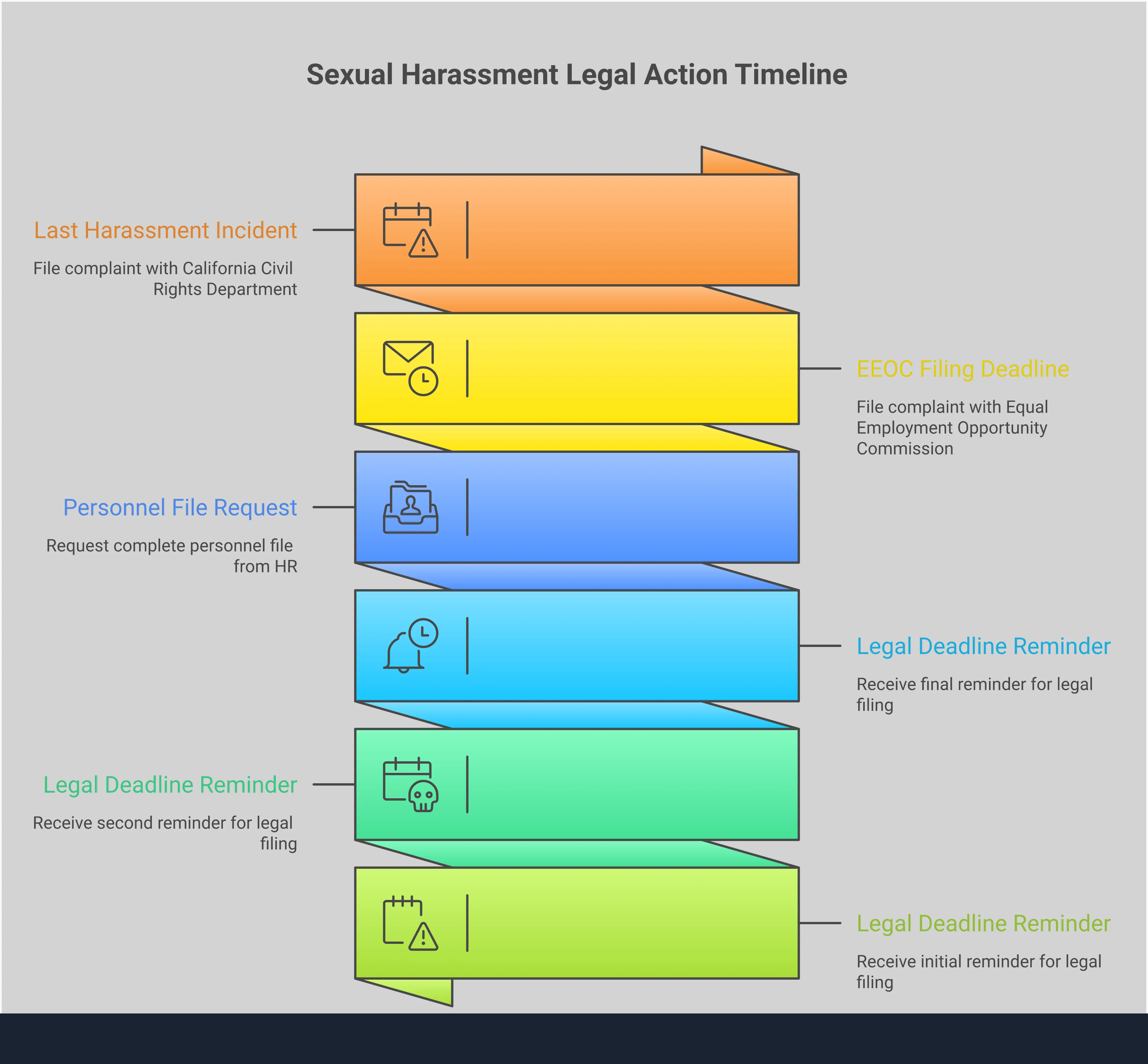
When you experience workplace harassment, time is of the essence. California has strict deadlines, known as statutes of limitation, for filing a legal claim. Generally, you have three years from the date of the last harassing act to file a complaint with the California Civil Rights Department (CRD). If you also plan to file with the federal Equal Employment Opportunity Commission (EEOC), the deadline is typically 300 days. Missing these deadlines can mean losing your right to seek justice. That’s why it’s so important to document everything and speak with an employment law attorney as soon as possible to understand your options and protect your rights.
First Steps to Take After Experiencing Harassment
Facing harassment at work can leave you feeling powerless and unsure of what to do next. Taking clear, deliberate steps can help you regain a sense of control and protect your rights. While every situation is unique, these actions create a foundation for holding your employer accountable and stopping the behavior. Think of these as your first moves in standing up for yourself and creating a safer work environment. By documenting what happened, reporting it through the proper channels, and preserving your evidence, you are building the framework for a potential legal claim.
Document Every Incident
Your memory is powerful, but a written record is undeniable. Start a private log, away from your work computer, and write down every single incident of harassment. Be as specific as possible. Note the date, time, and location of the event. Write down exactly what was said or done, using direct quotes if you can. Also, list anyone who may have witnessed the incident. This detailed documentation is more than just a personal diary; it becomes crucial evidence that establishes a pattern of behavior, which is often essential for proving a hostile work environment claim. Don’t dismiss any event as too small; every detail contributes to the bigger picture.
Report the Harassment to Your Employer
Telling your employer is a critical step. Most companies have a formal process for reporting harassment, which usually involves contacting your supervisor or the Human Resources department. Check your employee handbook for the specific procedure. When you make your report, do it in writing, such as via email, so you have a time-stamped record. In California, employers are legally required to take your complaint seriously and conduct a fair investigation. Reporting the sexual harassment not only gives your employer a chance to fix the problem but is also a necessary step you must take before pursuing legal action.
Preserve All Evidence
Beyond your personal log, it’s vital to save anything that could support your claim. Preserve all evidence related to the harassment and your work performance. This includes emails, text messages, voicemails, photos, and direct messages on company platforms like Slack or Teams. Keep copies of your performance reviews, especially if they are positive, as they can counter any claims that you were a poor performer. If you have a physical copy of your employee handbook, keep it. Don’t delete anything, even if you’re tempted to. An experienced attorney can help you organize this information and understand what is most important for building a strong case.
Common Challenges When Seeking Legal Help
Deciding to seek legal help for sexual harassment is a major step, and it’s completely normal to feel hesitant. Many people face similar worries, from the fear of what might happen at work to concerns about the cost and emotional strain of the process. Understanding these common challenges is the first step to overcoming them. Knowing your rights and what to expect can give you the confidence to move forward and seek the justice you deserve.
Overcoming the Fear of Retaliation
One of the biggest hurdles in reporting sexual harassment is the fear of retaliation. You might worry about being fired, demoted, or treated differently by your colleagues and managers. It’s important to know that California law strictly prohibits employers from punishing employees for reporting harassment. Taking action against you for filing a good-faith complaint is illegal.
An experienced attorney can guide you on how to protect yourself from becoming a victim of retaliation at work. They will help you document everything, advise you on how to communicate with your employer, and stand up for you if your employer breaks the law. You should never feel scared to report illegal behavior, and having a legal advocate in your corner can make all the difference.
Managing Emotional Distress
Sexual harassment can take a significant emotional toll, often causing feelings of shame, anxiety, and distress. It’s a deeply personal and violating experience, and it’s okay to feel overwhelmed. Facing these emotions while also trying to handle a legal claim can feel like too much to bear. Remember that these feelings are a valid response to what you’ve been through.
Seeking legal help can be an empowering part of your healing process. It allows you to hand over the fight to a professional who can handle the legal complexities while you focus on your well-being. A compassionate attorney will understand the emotional weight of your situation and provide a supportive environment where you can share your story without judgment. They can manage the stressful parts of the case so you don’t have to face them alone.
Common Misconceptions About Harassment Claims
Many people don’t seek help because of common myths about what qualifies as sexual harassment. You might think the behavior wasn’t “bad enough” or that you need concrete proof to have a case. Some people mistakenly believe you must be the direct target of harassment to file a claim, but witnessing it or being affected by a hostile work environment can also be grounds for legal action.
You don’t need a perfect, iron-clad case before speaking to a lawyer. An attorney can help you understand your rights and evaluate the strength of your claim based on your experiences. Harassment is unfortunately more common than many people realize, and you are not alone. A consultation can clear up any confusion and give you a clear path forward.
Addressing Financial Concerns
The thought of legal fees is enough to stop many people from contacting a lawyer. Many workers assume that hiring an attorney is simply out of reach financially. However, most employment law firms, including Bluestone Law, handle sexual harassment cases on a contingency fee basis. This means you don’t pay any attorney’s fees upfront. The firm only gets paid if they successfully win your case, either through a settlement or a court verdict.
This arrangement allows you to pursue justice without financial risk. It also means your attorney is fully invested in achieving the best possible outcome for you. Most firms offer a free consultation to discuss your situation, review the facts, and explain your legal options. This initial meeting comes with no cost or obligation, so you have nothing to lose by learning more about your rights.
When Is It Time to Contact an Attorney?
Deciding to speak with a lawyer can feel like a huge step, especially when you’re already dealing with a stressful situation at work. Many people hesitate, wondering if their problem is “serious enough” or if they even have a case. The truth is, you don’t have to have all the answers before reaching out. An experienced employment attorney can help you understand your options and figure out the best path forward. If your gut tells you something is wrong, it’s usually worth exploring. The goal is to get clarity and protect yourself, and sometimes, a simple consultation is all it takes to see the situation more clearly.
How to Know if You Have a Case
If you believe you have experienced sexual harassment at work, that feeling alone is enough reason to talk to an attorney. You don’t need to be a legal expert to know that what happened was wrong. A lawyer’s job is to listen to your story and determine if the conduct meets the legal definition of harassment. It’s especially critical to seek advice if you faced negative consequences after reporting the issue. If you were demoted, had your hours cut, or were fired after speaking up, you may have a strong case for retaliation, which is illegal.
Signs You Need Legal Help Immediately
Certain situations are red flags that you should contact an attorney right away. If you’ve reported harassment to HR and your concerns were ignored or dismissed, it’s time to get outside help. You should also seek legal counsel if the harassment is getting worse or if your employer is pressuring you to stay quiet. One of the most critical signs is if you’ve been fired or demoted shortly after making a complaint. This could be a form of wrongful termination, and an attorney can help you take immediate action to protect your rights and your livelihood.
Why Acting Quickly Protects Your Rights
When it comes to legal claims, time is not on your side. California has strict deadlines, known as statutes of limitations, for filing harassment claims. For example, you generally have three years to file a complaint with the California Civil Rights Department (CRD). Missing these deadlines can mean losing your right to seek justice forever. Acting quickly ensures you preserve your legal options. Many people also worry they can’t take action while still employed, but you absolutely can. An employment law attorney can guide you through the process while helping to protect you from further retaliation at work.
How Bluestone Law Fights for You
Facing workplace harassment is an incredibly difficult experience, and the thought of taking legal action can feel overwhelming. At Bluestone Law, we understand what you’re going through. Our entire practice is built around advocating for employees, and we are dedicated to providing the strategic and compassionate legal support you need to stand up for your rights. We are here to handle the legal burdens so you can focus on moving forward.
Our Client-First Approach to Harassment Cases
We know that every harassment case is deeply personal. That’s why we put you, our client, at the center of everything we do. Our first step is always to listen. We provide a safe and confidential space for you to share your story. We represent employees who have been subjected to all forms of sexual harassment, including unwelcome sexual advances, requests for sexual favors, and other inappropriate verbal or physical conduct. Your experience is valid, and our team is here to ensure your voice is heard and respected from start to finish.
Comprehensive Support Through Every Step
The legal process can be complex, but you don’t have to go through it alone. Our team at Bluestone Law offers personalized attention to each case, guiding you through every required step. We will help you file official complaints with the California Civil Rights Department (CRD) or the Equal Employment Opportunity Commission (EEOC). If your case proceeds to litigation, we will be right there with you, providing clear explanations and strong advocacy. We manage the deadlines, paperwork, and communications, allowing you to feel confident that your case is in capable hands.
Our Commitment to Your Maximum Compensation
A successful legal claim does more than provide financial relief; it holds your employer accountable for their failure to protect you. We are committed to fighting for the maximum compensation you deserve for the harm you’ve suffered. This can include recovering lost wages, compensation for emotional distress, and other damages. We also work to protect you from any form of workplace retaliation for speaking up. Our goal is to secure a resolution that not only helps you financially but also brings a sense of justice and closure.
Related Articles
- How a CA Hostile Work Environment Lawyer Can Help You
- How to Document Sexual Harassment: A Guide for Sac Co Employees
- Sexual Harassment: A Guide to Your Rights & Options
- Harassment & Hostile Work Environment Lawyer | Bluestone Law
- When to Call a Hostile Work Environment Lawyer in LA
Frequently Asked Questions
What if the harassment wasn’t physical? Can it still be considered sexual harassment? Absolutely. Sexual harassment is not limited to unwanted physical contact. Under California law, it also includes verbal conduct like offensive jokes or comments about someone’s body, as well as visual harassment, such as displaying sexually suggestive images. If the behavior is sexual in nature, unwelcome, and creates a hostile or intimidating work environment, it can be illegal.
I’m scared I’ll be fired or punished if I report what’s happening. What can I do? This is a completely valid fear, and it’s the main reason California has strong anti-retaliation laws. Your employer is legally forbidden from firing, demoting, or taking any negative action against you for making a good-faith report of harassment. If they do, that is a separate legal violation. An attorney can help you document your report and protect you from any illegal backlash.
What kind of proof do I actually need to build a case? You don’t need a “smoking gun” to have a strong case. Evidence can come in many forms. Your own detailed notes about each incident, including dates, times, and what was said or done, are very powerful. It’s also important to save any related emails, text messages, or direct messages. Statements from coworkers who witnessed the behavior can also be very helpful. An attorney can help you identify and organize all the pieces of proof that tell your story.
Do I have to report the harassment to my HR department before I can take legal action? Generally, yes, it is a very important step to report the harassment internally through your company’s official channels, like HR. This gives your employer a formal opportunity to investigate and correct the problem, which they are legally required to do. Reporting it in writing also creates a crucial record for your case. An attorney can advise you on the best way to make this report to protect yourself.
How long do I have to file a claim after the harassment happens? In California, you have a strict deadline for taking action. You generally have three years from the date of the last incident of harassment to file a formal complaint with the state’s Civil Rights Department (CRD). Because these deadlines are firm, it is very important to speak with an attorney as soon as you feel ready. This ensures you don’t accidentally miss your window to seek justice.
Think you were wrongfully terminated?
Get a free, confidential case evaluation from our experienced employment law attorneys.
Request Your Free Consultation