
You did the right thing. You reported harassment, pointed out an unsafe condition, or asked for a fair wage. But instead of being heard, you were punished. Suddenly, your hours are cut, you’re passed over for a promotion, or you’re fired altogether. This isn’t just unfair; it’s illegal. The law protects your right to speak up without fear of punishment. If you’ve faced negative consequences after asserting your rights, you may have grounds for a retaliation lawsuit. This guide will walk you through what retaliation looks like, what you need to prove, and how to take the first steps toward justice.
Key Takeaways
- Proving retaliation requires three key elements: You must show you took part in a protected activity, like reporting discrimination, faced a significant negative employment action as a result, and can connect the two events.
- Keep detailed records and act quickly: Your strongest evidence is a private log of every incident, including dates, times, and witnesses. Strict legal deadlines apply, so it is important to report the issue and consult an attorney without delay.
- Compensation covers more than lost wages: A successful claim can help you recover financially for lost income and benefits, emotionally for pain and suffering, and may even include punitive damages to punish the employer.
What Is a Retaliation Lawsuit?
A retaliation lawsuit is a legal claim you can file if your employer punishes you for asserting your rights at work. Essentially, it’s illegal for a company to get back at you for doing something the law protects, like reporting harassment or asking for fair pay. If you’ve been fired, demoted, or treated poorly right after you spoke up about a problem, you might be a victim of retaliation at work. This area of law exists to ensure you can stand up for yourself and your colleagues without fearing that you’ll lose your job for it. Understanding what retaliation looks like and what you need to prove is the first step toward protecting yourself.
Defining Workplace Retaliation
Workplace retaliation is any negative action your employer takes against you because you engaged in a legally protected activity. This isn’t just about feeling slighted; it’s about your employer taking a tangible, negative step, like firing you, cutting your hours, or demoting you. The punishment could come from a direct supervisor, a manager, or even the HR department. The key is that their action is a direct response to you speaking up about something like workplace discrimination or unsafe conditions. The law protects your right to voice these concerns, and any form of punishment for doing so is illegal.
What You Need to Prove Retaliation
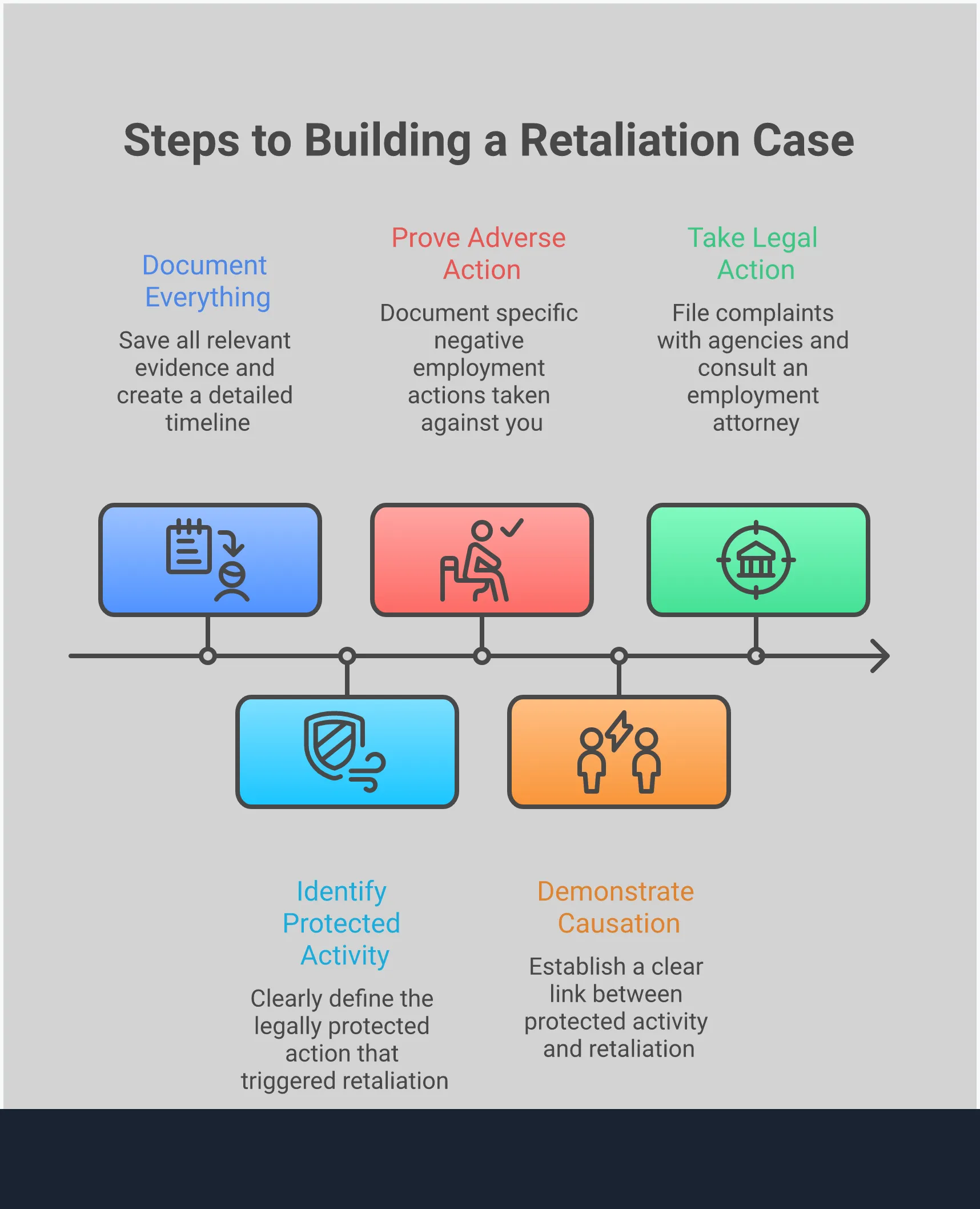
To build a successful retaliation claim, you generally need to prove three things. First, you must show that you participated in a “protected activity.” This includes actions like filing a formal complaint about harassment, participating in an investigation, or requesting a reasonable accommodation for a disability. Second, you have to demonstrate that your employer took an “adverse action” against you, which is a negative step that would discourage a reasonable employee from making a similar complaint. Finally, you need to establish a causal link between your protected activity and the adverse action. This connection is often shown through timing, like being fired shortly after you reported an issue.
Common Myths About Retaliation
Many people hesitate to act because of common misconceptions about retaliation. One myth is that any negative feedback after a complaint counts as retaliation. In reality, the action must be significant, not just a minor annoyance. Another common belief is that filing a claim isn’t worth the trouble. While the process can feel intimidating, laws are in place to protect you, and holding employers accountable is crucial. Finally, some think retaliation is rare, but it’s actually one of the most frequently filed complaints with government agencies. Knowing your rights is the best way to protect your career and stand up to unfair treatment.
What Are Protected Activities?
When we talk about retaliation at work, it all starts with a “protected activity.” This is a legal term for an action you take that the law shields you from being punished for. Essentially, you have the right to speak up about certain workplace issues without fearing that your employer will penalize you for it. These laws exist because, without them, very few people would feel safe reporting illegal or unethical behavior. Imagine trying to stop harassment if you knew you’d be fired for it. That’s why these protections are so important.
Understanding what counts as a protected activity is the first step in knowing if you have a valid retaliation claim. It’s not just about filing a formal lawsuit; many everyday actions you might take to protect yourself or others are covered. This could be anything from sending an email to HR about discriminatory comments to asking for a simple accommodation for a medical condition. If your employer takes a negative action against you shortly after you’ve engaged in one of these activities, you may have a case for retaliation. The goal is to create a workplace where employees can assert their rights without looking over their shoulder.
Reporting Discrimination or Harassment
One of the most common protected activities is speaking out against workplace discrimination or harassment. This includes reporting behavior that you believe is illegal, such as being treated unfairly because of your race, gender, age, or religion. According to the U.S. Equal Employment Opportunity Commission (EEOC), the law forbids an employer from punishing an employee for reporting these issues. This protection applies whether you’re reporting harassment you experienced yourself or something you witnessed happening to a colleague. The report can be informal, like a conversation with your manager, or formal, like a written complaint to HR. The key is that you are raising a concern about conduct you reasonably believe is unlawful.
Taking Part in an Investigation
Your legal protection extends beyond just making the initial complaint. It also covers participating in an investigation into discrimination or harassment. The EEOC clarifies that being a witness, providing information, or otherwise taking part in an investigation or lawsuit is a protected activity. This is crucial because it ensures that companies can’t intimidate potential witnesses into silence. If a coworker files a discrimination claim and you are asked to provide information about what you saw, your employer cannot legally punish you for telling the truth. This protection allows for fair and thorough investigations where all the facts can come to light without employees fearing for their jobs.
Asking for a Reasonable Accommodation
Requesting a reasonable accommodation for a disability or a sincerely held religious belief is another important protected activity. For example, if you have a medical condition and need a specific type of chair or modified work hours, you are protected when you make that request. The same applies if you need to adjust your schedule for religious observances. The California Department of Industrial Relations confirms that asking for a disability or religious accommodation is a protected right. Your employer is not allowed to penalize you, demote you, or otherwise take negative action against you simply for making the request, regardless of whether they ultimately grant it.
Reporting Unsafe Conditions (Whistleblowing)
You have a right to a safe work environment, and speaking up about unsafe conditions is a protected activity often referred to as whistleblowing. The U.S. Department of Labor makes it clear that an employer cannot retaliate against you for reporting workplace health and safety concerns. This could include anything from faulty equipment and hazardous materials to a lack of proper safety training. Whether you report the issue internally to a supervisor or externally to an agency like the Occupational Safety and Health Administration (OSHA), you are protected. These laws encourage employees to report dangers that could harm themselves or others, making the workplace safer for everyone.
What Is Considered an “Adverse Action”?
To build a successful retaliation claim, you must show your employer took an “adverse action” against you for a protected activity. So, what does this legal term mean? An adverse action is any step your employer takes that is harmful enough to discourage a reasonable employee from reporting misconduct. The definition is broad and covers more than just being fired; it includes any negative treatment that significantly affects your job’s terms. The key is proving the action had a real, negative impact, not just that it was unpleasant. Understanding this is crucial for knowing when to fight back.
Serious Actions vs. Minor Annoyances
It’s a common myth that any negative feedback after a complaint is retaliation. The law separates serious employment actions from minor annoyances. An adverse action is more than a petty slight, so your boss being less friendly probably doesn’t qualify. The action needs a tangible, negative effect on your job. This includes clear examples like wrongful termination, demotion, or a pay cut. It also covers serious actions like a transfer to a less desirable role, a major change in your duties, or a negative job reference that hurts your career.
Spotting Subtle Forms of Retaliation
Retaliation isn’t always obvious. Sometimes it’s subtle, designed to make your work life so difficult you feel forced to quit. While a funny look doesn’t qualify, a pattern of negative behavior might. The main question is whether the action would stop a reasonable person from reporting misconduct. Subtle retaliation can include being excluded from meetings, getting overloaded with work, or having projects reassigned. You might also be moved to an isolated office or denied training. When these actions form a pattern, you may be a victim of retaliation at work.
How Retaliation Can Create a Hostile Work Environment
When retaliatory actions are frequent or severe, they can create a hostile work environment. This happens when the behavior is so pervasive it changes your employment conditions and creates an abusive atmosphere. A single incident is rarely enough unless it’s extremely serious. More often, it’s a series of actions that make your workplace intimidating. For instance, if you’re consistently ignored, publicly criticized, and given impossible deadlines after reporting harassment, these actions could create a hostile work environment. This behavior is a powerful form of adverse action in a retaliation claim.
How to Document and Report Retaliation
If you believe you’re facing retaliation, taking careful, deliberate steps is the best way to protect yourself. Your actions now can build a strong foundation for a potential legal claim. It’s about creating a clear record of what happened and following the proper channels to address it. This process can feel overwhelming, but breaking it down makes it much easier. Focus on gathering your evidence, reporting the behavior correctly, and understanding the critical deadlines you need to meet.
Gathering Your Evidence: What to Keep
Documentation is your most powerful tool. A detailed record can transform a “he said, she said” situation into a clear pattern of behavior. Start a private log, either in a notebook you keep at home or a secure personal digital file (not on a work computer). For every incident, write down the date, time, and location. Be specific about what happened and what was said. Note who was involved and if anyone else witnessed the event. Save any relevant emails, performance reviews, or messages that could serve as evidence. This detailed record is essential if you become a victim of retaliation at work.
Following the Right Steps to Report It
Once you have documented the incidents, the next step is to report the behavior. Start by checking your employee handbook for the company’s official reporting procedure. Following this internal process is an important first step. Make your report in writing, such as through an email to HR or your manager, to create a time-stamped paper trail. It is also wise to seek professional legal counsel. An experienced employment law attorney can help you understand your rights and guide you on the best course of action, ensuring you are protected throughout the process.
Know Your Deadlines: Understanding Time Limits
When it comes to legal action, time is critical. There are strict deadlines, known as statutes of limitations, for filing a retaliation claim. If you miss this window, you could lose your right to seek justice. In California, you generally have one year from the date of the retaliatory action to file a complaint with the Division of Labor Standards Enforcement (DLSE). For federal claims, the deadline is even shorter, typically 180 days. Because retaliation can sometimes lead to wrongful termination, it’s important to act quickly. Contacting an attorney early can ensure you meet all necessary deadlines.
What Can You Recover in a Retaliation Lawsuit?
If you’ve been a victim of retaliation at work, you might wonder what you stand to gain by taking legal action. A successful lawsuit helps you recover from the financial and emotional harm caused by your employer’s illegal actions. The goal is to make you whole again and hold the company accountable. The compensation, or “damages,” you can receive covers several different areas of loss.
Lost Wages and Financial Costs
The most direct impact of retaliation is often financial. If you were fired, demoted, or had your hours cut, you can sue for the income you lost. This includes not just your salary but also lost benefits, like health insurance, retirement contributions, and bonuses. The law is designed to restore you to the financial position you would have been in if the retaliation had never occurred. This approach ensures you are compensated for the full economic impact of your employer’s unlawful behavior.
Compensation for Emotional Distress
Workplace retaliation doesn’t just affect your wallet; it takes a significant emotional toll, especially if it followed a report of workplace discrimination. The stress and anxiety from being targeted can be overwhelming. California law recognizes this harm, and you can be compensated for your emotional pain and suffering. Because juries are often sympathetic to employees who have endured this distress, claims for emotional damages are a powerful part of a retaliation case. This frequently motivates employers to settle out of court.
Punitive Damages and Attorney’s Fees
In cases where an employer’s conduct was particularly malicious or reckless, you may be awarded punitive damages. These are not meant to compensate you for a specific loss but to punish the employer and deter them from similar actions in the future. Additionally, if you win your case, your employer can be ordered to pay your attorney’s fees. This provision is crucial because it allows you to hire a skilled lawyer to fight for your rights without the financial burden of legal costs, which helps level the playing field.
What to Expect When You File a Complaint
Filing a formal complaint against your employer is a significant step, but it’s a powerful way to stand up for your rights. Understanding the process can make it feel much less intimidating. This isn’t just about paperwork; it’s a structured procedure designed to hold employers accountable and provide justice for employees who have been treated unfairly. Knowing what to expect can help you prepare, gather the right evidence, and feel more in control of your situation.
The path forward involves a few key stages. First, you need to know which government agency is the right one for your specific claim. Then, an investigation will begin, where a neutral party looks at the facts from both sides. Finally, if the investigation finds that your employer acted unlawfully, there are several potential outcomes designed to make you whole again. We’ll walk through each of these phases so you can see exactly how a victim of retaliation at work can seek justice. This process is in place to protect you, and being informed is the first step toward a fair resolution. It’s about turning a difficult experience into a clear plan of action, ensuring your voice is heard and your rights are defended.
Where to File: EEOC & State Agencies
When you’re ready to file a complaint, your first decision is where to send it. The right agency depends on the specifics of your case. For claims involving federal laws, like discrimination based on race or sex under Title VII, you’ll file with the U.S. Equal Employment Opportunity Commission (EEOC). The EEOC is the federal body that handles these types of workplace issues across the country.
For violations of California’s specific labor laws, you’ll turn to a state agency. The California Labor Commissioner’s Office is the place to go for issues like unpaid wages or retaliation for reporting safety concerns. You can learn more about how to file a complaint directly on their website. Choosing the correct agency is a critical first step to ensure your complaint is handled properly.
The Investigation Process and Timeline
Once your complaint is filed, the agency will begin an investigation. A neutral investigator, such as a Deputy Labor Commissioner, is assigned to your case. Their job is to gather facts from both you and your employer; they don’t act as a lawyer for either side. This is why having your documentation organized is so important.
Timing is also critical. Generally, you have 180 days from the incident to file a discrimination charge with the EEOC, though this can sometimes be extended by state laws. However, the deadlines can be much shorter in some cases. For example, federal employees only have 45 days to contact an EEO counselor. Missing these deadlines can prevent you from moving forward, so it’s essential to act quickly after experiencing a wrongful termination.
What Are the Potential Outcomes?
If the investigation concludes that your employer broke the law, the agency will take steps to correct the situation. This can include ordering your employer to reinstate you to your job, pay you for any lost wages, and remove negative marks from your employment record. They might even be required to post a notice in the workplace about the violation.
In a successful retaliation lawsuit, you may be entitled to significant compensation. This can cover not only your lost wages and future earnings but also damages for the emotional distress you’ve suffered. In cases where an employer’s conduct was particularly harmful, you could also be awarded punitive damages, which are meant to punish the company. Finally, your employer may be required to cover your attorney’s fees for your wage and hour claims.
How Bluestone Law Can Help You Fight Back
Facing retaliation at work can feel incredibly isolating, but you don’t have to go through it alone. Standing up for your rights requires courage, and having a dedicated legal team on your side can make all the difference. At Bluestone Law, we focus exclusively on advocating for employees, and we’re here to help you understand your options and take decisive action. Our first step is always to help you understand your legal protections. You have the right to report unlawful behavior without fear of punishment, and we can explain how those rights apply to your specific situation.
Building a successful retaliation claim depends heavily on strong evidence. We guide you through the critical process of documenting every incident you believe was retaliatory. This includes keeping detailed notes on dates, times, locations, and exactly what was said or done. This careful record-keeping is essential for building a compelling case. We’ll help you organize this information and identify the most important details to support your claim for retaliation at work.
Navigating company policies and legal deadlines can be confusing. An experienced attorney can ensure you follow the correct procedures for reporting the retaliation, which strengthens your position. We handle the complexities of the legal system, from filing formal complaints with the appropriate government agencies to communicating with your employer on your behalf. Our team has a deep understanding of California employment law and will manage every aspect of your case so you can focus on moving forward.
Proving that an employer’s negative action was a direct response to your protected activity is the core of a retaliation case. Not every frustrating workplace event qualifies as illegal retaliation, and this is where professional legal guidance is invaluable. We know how to connect the dots and build a powerful argument that demonstrates your employer’s actions were unlawful. The team at our firm is committed to fighting for you, ensuring your voice is heard and holding your employer accountable.
Related Articles
- Workplace Retaliation Lawyer: A Complete Guide
- Retaliation Lawyers California: What You Need to Know
- Victim of Retaliation at Work – Bluestone Law
Frequently Asked Questions
How can I tell if my boss is just being difficult or if it’s illegal retaliation? This is a common and important question. The law distinguishes between significant negative actions and minor workplace annoyances. For an action to be considered illegal retaliation, it must be serious enough to discourage a reasonable person from speaking up about misconduct. So, while a manager being less friendly or giving you a funny look probably doesn’t qualify, actions like cutting your pay, demoting you, transferring you to a less desirable position, or firing you certainly could.
Does my complaint have to be in writing to be considered a “protected activity”? No, it doesn’t. While a written complaint creates a helpful paper trail, a protected activity can be as simple as a verbal conversation with your manager or HR about something you believe is unlawful. The key is that you are raising a concern about potential discrimination, harassment, or other illegal activity. Participating as a witness in a coworker’s investigation is also a protected activity.
What if I’m worried I’ll be fired for reporting the retaliation itself? This is a completely valid fear, and it’s the very reason these laws exist. Reporting retaliation is, in itself, another protected activity. The law is designed to shield you from punishment for asserting your rights. If your employer takes action against you for reporting their retaliatory behavior, it only strengthens your legal claim. This is why it’s so important to document everything and seek legal advice early in the process.
How do I prove the negative action was because I spoke up, and not for another reason? Proving the connection between your complaint and the negative action is the core of a retaliation case. Often, the timing of the events provides strong evidence. For example, if you are fired just a week after you reported harassment, that close timing suggests a link. Other evidence can include a sudden negative performance review after a history of positive ones or comments from a supervisor that hint at their retaliatory motive. Your detailed notes and saved communications are essential for establishing this connection.
What if my original complaint was mistaken? Am I still protected from retaliation? Yes, as long as you made your initial complaint in good faith. This means you had a reasonable and sincere belief that what you were reporting was a violation of the law. The protection isn’t based on whether your complaint is ultimately proven correct. The law protects your right to voice concerns without fear of punishment, ensuring that potential issues are brought to light, even if an investigation later finds no wrongdoing.
Think you were wrongfully terminated?
Get a free, confidential case evaluation from our experienced employment law attorneys.
Request Your Free Consultation