

Deciding to take legal action after experiencing retaliation is a powerful move. It’s a statement that you refuse to be silenced and that you deserve justice. The next critical step is finding the right legal partner to stand beside you. This process is your first opportunity to build a team that will support you and fight for your best interests. This guide is here to empower you as you find a retaliation lawyer. We will provide the tools and knowledge you need to confidently interview attorneys, understand their strategies, and make an informed decision that sets you up for the best possible outcome.
Key Takeaways
- Focus on employment law specialists: Choose an attorney whose main practice area is employment law, particularly retaliation cases. Their focused experience means they understand employer defense tactics and know how to build a compelling case based on state and federal laws.
- Arrive prepared for your consultation: Make your first meeting effective by organizing your documents, creating a clear timeline of events, and writing down questions. This helps the attorney understand your case quickly and gives you the clarity to evaluate them properly.
- Trust your instincts and look for transparency: The right lawyer is more than just an expert; they are a partner. Choose someone who communicates clearly, is upfront about fees, and makes you feel heard. Pay attention to red flags like unrealistic promises, as a strong attorney-client relationship is built on trust.
What Makes a Great Retaliation Lawyer?
Finding the right lawyer can feel like the most challenging part of an already stressful situation. When you’re facing retaliation at work, you need more than just a legal representative; you need a dedicated advocate who understands exactly what you’re up against. The best retaliation lawyers share a few key qualities that set them apart. Knowing what to look for will help you choose an attorney who can effectively fight for your rights and guide you through the legal process with confidence.
Experience in Employment and Retaliation Law
This isn’t the time for a generalist. Employment law is a highly specialized field with its own set of rules and complexities. You need an attorney who lives and breathes this area of law, specifically cases involving a victim of retaliation at work. A lawyer who focuses on retaliation claims understands the subtle tactics employers use and knows what evidence is needed to prove your case. They have experience deposing managers, navigating corporate defense strategies, and presenting compelling arguments. This specialized experience isn’t just a nice-to-have; it can directly influence the outcome of your case.
Knowledge of Federal and State Laws
Your protection against retaliation comes from a web of federal and state laws, and a great lawyer knows how to use them to your advantage. In California, employee protections are often stronger than federal standards. An attorney with deep knowledge of both can identify every legal avenue available to you. For example, they’ll understand the nuances of the California Fair Employment and Housing Act (FEHA) alongside federal laws like Title VII. This comprehensive understanding of employment law is crucial for building the strongest possible case and ensuring your rights are fully protected under every applicable statute.
A Strong Track Record
While no attorney can guarantee a specific result, a history of success speaks volumes. Look for a lawyer or firm with a proven track record of handling retaliation cases effectively. This demonstrates their ability to take on employers and win, whether through a favorable settlement or a verdict at trial. Don’t hesitate to ask about their experience with cases similar to yours. A confident and experienced attorney will be able to discuss their past work and approach. Reviewing a firm’s history, like the work done by our firm, can give you confidence that your case is in capable hands.
Clear and Responsive Communication
Legal battles are confusing and emotionally draining. The last thing you need is a lawyer who leaves you in the dark. A great attorney is a great communicator. They should be able to explain your options and the legal process in plain English, not confusing jargon. They will set realistic expectations and keep you updated on the progress of your case. Responsiveness is also key. When you have questions or concerns, you should feel confident that you’ll get a timely and helpful reply. This open line of communication is the foundation of a strong attorney-client relationship and is essential for feeling supported throughout your case.
How to Find the Right Retaliation Lawyer
Finding the right lawyer can feel like the most challenging part of the process, but it doesn’t have to be. When you’re dealing with the stress of a potential legal case, you need an advocate you can trust to handle the details and fight for your best interests. The key is to be methodical in your search. By breaking it down into a few simple steps, you can find a qualified attorney who understands your situation and has the right experience to handle your case. Think of this as your first step toward taking back control. A great lawyer will not only represent you but also guide you through every stage, making sure you feel informed and supported. The goal is to find a partner for your case, someone who specializes in employment law and is committed to protecting your rights.
Search Online Legal Directories
Online legal directories are a great starting point for your search. Websites like Avvo, FindLaw, and Lawyers.com act like search engines specifically for attorneys. You can filter your search by location and practice area, which makes it easy to find lawyers who specialize in retaliation cases right in your community. These platforms often provide detailed profiles that include an attorney’s professional background, areas of focus, and sometimes even reviews from past clients. This information helps you create a shortlist of potential candidates before you even pick up the phone, saving you time and helping you make a more informed decision from the get-go.
Consult Your State Bar Association
Before you get too far with any potential lawyer, it’s smart to do a quick check with your state bar association. In California, you can use The State Bar of California’s website to look up an attorney’s license status. This official resource will tell you if a lawyer is in good standing and if they have any history of disciplinary action against them. It’s a simple but crucial step that verifies an attorney’s credentials and ensures you are considering a qualified professional. This check gives you peace of mind that you’re putting your trust in a reputable and accountable legal expert.
Ask for Trusted Recommendations
Sometimes, the best leads come from people you already know and trust. If you have a friend, family member, or former colleague who has dealt with a workplace issue, consider asking them for a recommendation. A personal referral can be incredibly valuable because it comes with firsthand experience. They can tell you not just about the outcome of their case, but also about the lawyer’s communication style and how they felt during the process. Hearing about a positive experience from someone you trust can give you the confidence you need to reach out to a firm like our team at Bluestone Law.
Read Client Reviews and Testimonials
Client reviews and testimonials offer a window into what it’s like to work with a particular lawyer. While an attorney’s website will highlight their successes, independent review sites can provide a more balanced perspective. As you read through feedback, look for comments that specifically mention workplace retaliation or similar employment law issues. Pay attention to patterns in the reviews. Are clients consistently praising the lawyer’s communication, dedication, and knowledge? This feedback can help you understand an attorney’s strengths and whether their approach aligns with what you’re looking for in a legal advocate.
What to Ask During Your Initial Consultation
Your initial consultation is more than just a chance to tell your story; it’s a two-way interview. You are evaluating the lawyer just as much as they are evaluating your case. This meeting is your opportunity to find out if they are the right advocate for you. Being prepared with a list of questions will help you make an informed decision and feel confident in your choice. Think of this as the first step in building a partnership. You want to find someone who not only has the right skills but also makes you feel heard and respected. Asking direct questions about their experience, process, and fees will give you the clarity you need to move forward.
Inquire About Their Experience and Success Rate
When you sit down with a potential lawyer, don’t be shy about asking about their background. You can ask, “What specific experience do you have with cases like mine?” Employment law is a broad field, and a lawyer who specializes in retaliation claims will have different insights than one who primarily handles other issues. You can also inquire about their track record. While they can’t share confidential details about past cases, they can speak to their general success in securing favorable outcomes for clients. This isn’t about getting a guarantee, but about understanding their level of experience and competence in this specific area of law.
Discuss Potential Case Strategy and Timelines
While no attorney can predict the future, an experienced lawyer should be able to give you a general roadmap of what to expect. Ask them to walk you through the potential stages of your case, from filing a complaint to negotiation or trial. They can discuss the strengths and weaknesses of your claim and outline possible strategies they might use. It’s also helpful to ask about a realistic timeline. Legal processes can take time, and understanding the potential duration can help you manage your expectations. This conversation will give you a sense of their strategic thinking and how they approach a hostile work environment or retaliation case.
Clarify Their Communication Style
A strong client-attorney relationship is built on clear and consistent communication. To avoid future frustration, ask about their communication practices upfront. Good questions to ask include: “How often can I expect to receive updates on my case?” “Who will be my main point of contact at the firm?” and “What is the best way to reach you if I have a question?” Understanding their process for keeping clients informed will ensure you feel supported and in the loop. A lawyer who is transparent about their communication style is often one who values their clients’ peace of mind throughout a stressful process.
Understand Their Legal Fees and Payment Options
The topic of money can be uncomfortable, but it’s crucial to have a clear understanding of the costs involved. Ask for a detailed explanation of their fee structure. Many employment lawyers work on a contingency basis, meaning they only get paid if you win your case, but it’s important to confirm this. Inquire about any other potential expenses, such as court filing fees, deposition costs, or expert witness fees. A reputable lawyer will be transparent about all potential costs and provide you with a written fee agreement that outlines everything clearly. This ensures there are no surprises down the road.
How Legal Fees Work
One of the biggest concerns when hiring a lawyer is the cost. It’s a valid worry, but you should know that many employment law firms structure their fees to make legal help accessible, especially for employees who have lost their income. Understanding the different payment models will help you have a productive conversation with a potential attorney about what to expect financially. The most common structures are contingency fees and hourly rates, though contingency is by far the most prevalent in retaliation cases. This is great news for employees, as it means you can often get top-tier legal representation without paying anything upfront.
During your consultation, the lawyer should clearly explain their fee structure and provide a written agreement that details all the costs and terms. This transparency is a hallmark of a trustworthy attorney and ensures there are no surprises down the road. A good lawyer wants you to feel informed and confident, not confused or worried about hidden charges. Don’t hesitate to ask questions until you feel completely comfortable with the arrangement. Understanding the financial side of your case from the beginning allows you to focus on what really matters: seeking justice for the retaliation you experienced.
Contingency Fee Agreements
Most employment lawyers who represent employees work on a contingency fee basis. This means you do not pay any attorney fees unless and until your lawyer wins your case, either through a settlement or a court verdict. If you recover money, the attorney receives a pre-agreed percentage of that amount as their payment. If you don’t win, you owe no attorney fees. This model is incredibly helpful because it allows you to pursue a strong case without needing to pay for legal help out of pocket. It also means your lawyer is financially invested in achieving the best possible outcome for you, as their payment is directly tied to your success as a victim of retaliation at work.
Hourly Rates
Another common payment structure is the hourly rate. In this arrangement, you pay the lawyer for every hour they spend working on your case. The attorney will track their time meticulously and send you regular invoices. While this model is common in many areas of law, it is less frequently used for employees in retaliation or discrimination cases. You are more likely to encounter hourly billing if you are a business seeking legal advice or defense. For an employee who has just lost their job or is facing financial uncertainty, a contingency fee agreement is often a much more practical and manageable option for handling their employment law claim.
Additional Case Expenses
It’s important to distinguish between attorney fees and case expenses. Fees are what you pay the lawyer for their time and expertise. Expenses, sometimes called “costs,” are the out-of-pocket expenditures required to move your case forward. These can include court filing fees, the cost of ordering deposition transcripts, fees for expert witnesses, and charges for mediation. In a contingency fee arrangement, the law firm will often advance these costs on your behalf. The fee agreement should clearly state how these expenses are handled and whether they are deducted from your settlement before or after the attorney’s percentage is calculated. This is a key detail to clarify for any case, including a wrongful termination lawsuit.
How to Prepare for Your Consultation
A little preparation for your legal consultation goes a long way. When you arrive organized, you help the attorney quickly grasp the details of your situation, making the meeting more productive. It also helps you get the clear answers you need to decide on your next steps. By taking the time to prepare, you’re taking control of your situation and putting your best foot forward.
Gather Your Documents and Evidence
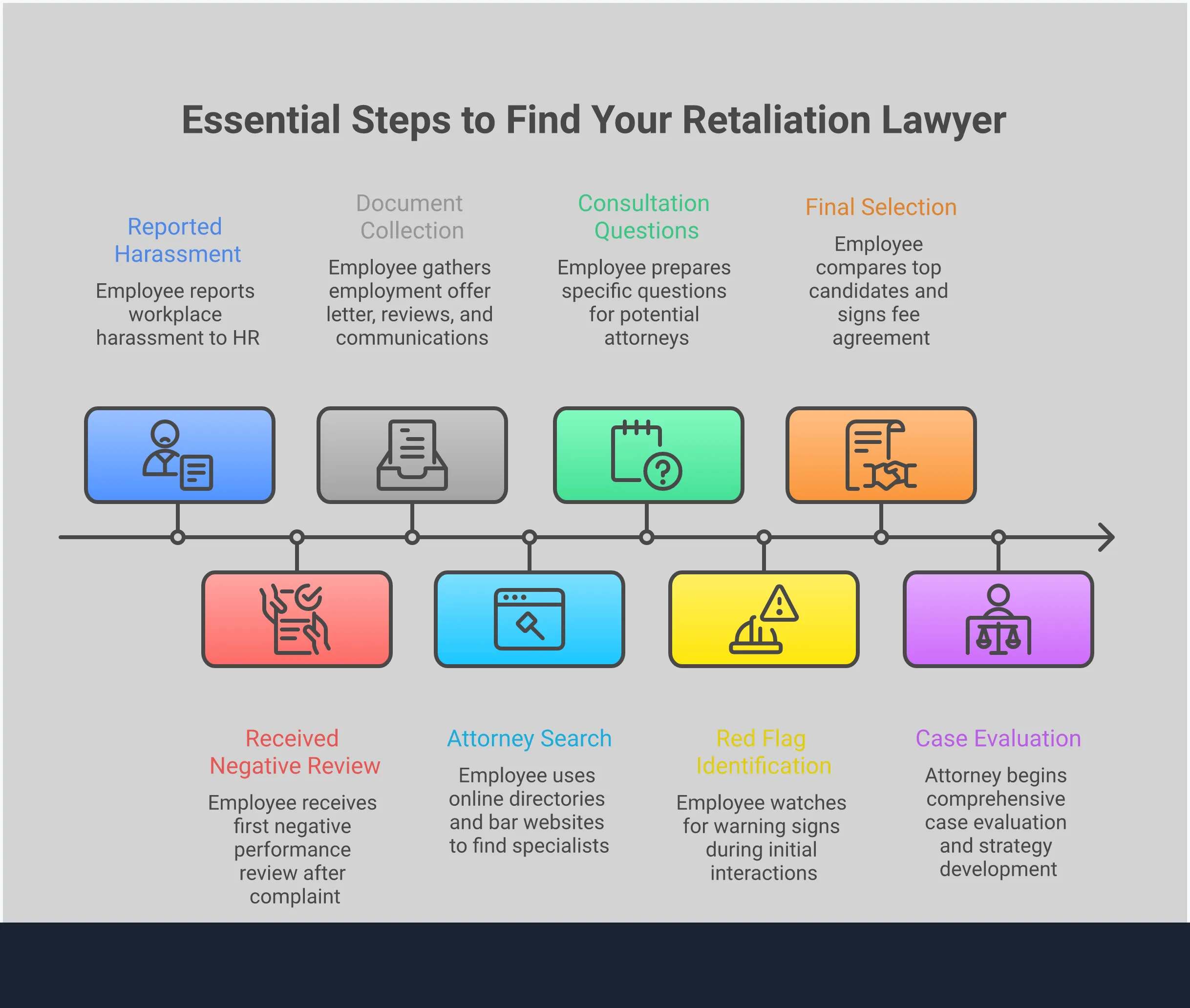
Your story is powerful, and documents are the proof that backs it up. Before your meeting, collect every file related to your employment and the retaliation you experienced. This includes your offer letter, performance reviews, and company handbooks. Pay special attention to emails, text messages, or memos that show you engaged in a protected activity (like reporting harassment) and the negative actions that followed. If you have a termination letter, disciplinary warnings, or pay stubs showing a demotion, bring those too. Organizing these documents gives your potential lawyer a solid foundation to evaluate your claim.
Create a Timeline of Events
A clear timeline is one of the most helpful tools you can bring to a consultation. It connects the dots for the attorney and shows a clear sequence of events. Start by listing the date you engaged in a protected activity, such as filing a complaint. Then, chronologically list every negative action your employer took afterward, including dates and a brief description of what happened. For example: “May 1: Reported harassment to HR. May 15: Received first-ever negative performance review.” This narrative helps establish a potential link between your actions and your employer’s unlawful retaliation.
Prepare a List of Questions
Your initial consultation is your chance to interview the lawyer, too. Come prepared with questions to make sure you find the right fit. You’ll want to ask about their specific experience with retaliation cases similar to yours. Good questions include: “What are the potential strengths and weaknesses of my case?” “What is your process for handling these claims?” and “How will you keep me updated?” Don’t be shy about asking about potential outcomes, though no attorney can guarantee a result. This conversation will help you gauge their expertise and determine if their communication style works for you.
Red Flags to Watch For
Choosing a lawyer is a big decision, and you deserve to feel confident in your choice. As you meet with potential attorneys, keep an eye out for a few warning signs. Your legal representative should be a partner you can trust, not someone who adds more stress to an already difficult situation. If your gut tells you something is off, pay attention. A little awareness during the selection process can save you a lot of frustration. Here are three major red flags to be mindful of.
Unrealistic Promises or Guarantees
Be cautious of any lawyer who guarantees a specific outcome for your case. The legal system has too many variables for anyone to make that kind of promise. A trustworthy attorney will be honest about the strengths and weaknesses of your case, discussing potential outcomes and setting realistic expectations. If a lawyer’s promises sound too good to be true, they probably are. You want a strategic partner, not a salesperson. A great lawyer will help you understand the realities of being a victim of retaliation at work, not just tell you what you want to hear.
Poor or Delayed Communication
Clear and timely communication is essential. While you can’t expect your lawyer to be available 24/7, you should feel like a priority. If an attorney or their staff is difficult to reach, cancels meetings, or takes too long to respond, consider it a red flag. This is your case, and you have a right to be kept in the loop. A professional lawyer will have a clear system for providing updates and will be responsive to your questions. Pay attention to how they communicate from the start, as it’s often a good indicator of what you can expect moving forward.
Lack of Focus on Employment Law
Employment law is a highly specialized field. A lawyer who handles a wide variety of cases may not have the in-depth knowledge needed for your retaliation claim. You want someone who lives and breathes this stuff. Look for an attorney or a firm whose primary focus is employment law. A specialist will be up-to-date on the latest legal precedents and defense tactics used by employers. Their deeper understanding of the nuances of cases like yours can make a significant difference in the outcome. Don’t be afraid to ask what percentage of their caseload is dedicated to employment law.
Making Your Final Choice
After meeting with a few potential attorneys, you’re ready to make a decision. This is a significant step, as the lawyer you choose will be your advocate and guide through a challenging process. It’s about more than just credentials; it’s about finding a partner you can trust to handle your case with the care and expertise it deserves. Think through your consultations, review your notes, and consider which attorney left you feeling the most confident and understood.
Compare Your Top Candidates
You’ve likely narrowed your list down to two or three strong contenders. Now is the time to compare them side-by-side. Look at your notes from each consultation and evaluate them based on a few key factors. Consider their experience with cases similar to yours, their proposed strategy, and their communication style. Did one lawyer explain the legal process more clearly? Did another seem to have a better grasp of the specifics of your situation as a victim of retaliation at work? Creating a simple list of pros and cons for each candidate can help you organize your thoughts and see which attorney truly stands out as the best fit for you and your case.
Trust Your Instincts
Legal expertise is critical, but so is your comfort level with the attorney. This is a person you’ll be sharing sensitive information with and relying on for guidance. While no lawyer can guarantee a specific outcome, the one you choose should make you feel confident in their abilities based on their experience. Did you feel heard and respected during the consultation? Do you believe they will fight for your best interests? Trust your gut feeling. The right attorney-client relationship is built on a foundation of trust and clear communication, so choosing someone from a firm like Our Firm that you feel comfortable with is essential for a smoother process.
Take the Next Step with Your Chosen Lawyer
Once you’ve made your decision, it’s time to move forward. Contact the law firm and let them know you’d like to engage their services. They will typically send you a formal fee agreement to review and sign. This document outlines the scope of their work, the fee structure, and other important terms of your professional relationship. Read it carefully and ask questions about anything you don’t understand before signing. After you’ve officially hired your attorney, they will begin working on your employment law case, starting with a deeper dive into the facts and evidence you’ve gathered.
Related Articles
- Workplace Retaliation Lawyer: A Complete Guide
- Victim of Retaliation at Work – Bluestone Law
- Retaliation Lawyers California: What You Need to Know
Frequently Asked Questions
How much does it cost to hire a retaliation lawyer? This is the most common question, and the answer is usually a relief. Most employment lawyers work on a contingency fee basis. This means you don’t pay any attorney fees upfront. Instead, the lawyer’s payment is a percentage of the money they recover for you, whether through a settlement or a court award. If you don’t win your case, you typically owe no attorney fees. This arrangement allows you to get expert legal help without worrying about out-of-pocket costs.
What if I’m not sure I have enough evidence? You don’t need to have a perfect, open-and-shut case before speaking with a lawyer. In fact, part of an attorney’s job is to help you understand what counts as evidence and how to piece it together. A timeline of events, a few key emails, or even just your own detailed notes can be a great starting point. A good lawyer will evaluate what you have and help you figure out the strength of your potential claim during your initial consultation.
How long will my retaliation case take to resolve? The timeline for a legal case can vary quite a bit. There is no single answer, as it depends on the complexity of your situation and the willingness of your employer to negotiate. Some cases can be resolved through a settlement in just a few months. Others that are more complex or that proceed toward trial can take a year or longer. An experienced attorney can give you a more realistic estimate based on the specifics of your case.
What’s the difference between retaliation and just having a difficult boss? This is a crucial distinction. While having a demanding or unfair boss is stressful, it isn’t always illegal. Retaliation has a specific legal meaning: it occurs when an employer punishes an employee for engaging in a legally protected activity. Examples of protected activities include reporting harassment, requesting a reasonable accommodation for a disability, or complaining about unpaid wages. The negative action must be a direct result of that protected act.
Do all retaliation cases go to trial? No, not at all. The vast majority of employment cases, including retaliation claims, are resolved out of court through a settlement. A settlement is a negotiated agreement between you and your former employer to resolve the dispute. This is often the preferred outcome because it provides a resolution much faster and with less stress than a public trial. However, a great lawyer will prepare your case as if it’s going to trial to ensure you are in the strongest possible position to negotiate a fair settlement.