
You know something isn’t right. After you announced your pregnancy, the atmosphere at work shifted. Maybe you were passed over for a promotion, your responsibilities changed without reason, or you’re facing sudden, unfair criticism. Trusting your gut is the first step, but knowing what to do next is crucial. This isn’t just about feeling wronged; it’s about understanding your legal rights and how to enforce them. Finding the right advocate is the most important decision you’ll make in this process. We’ll walk you through the essential steps for finding the best lawyers for pregnancy discrimination who can turn your valid concerns into a strong, actionable case.
Key Takeaways
- Hire a specialist in employment law: Choose an attorney who focuses specifically on pregnancy discrimination cases. Their deep knowledge of the law and common employer tactics provides a significant advantage over a general practice lawyer.
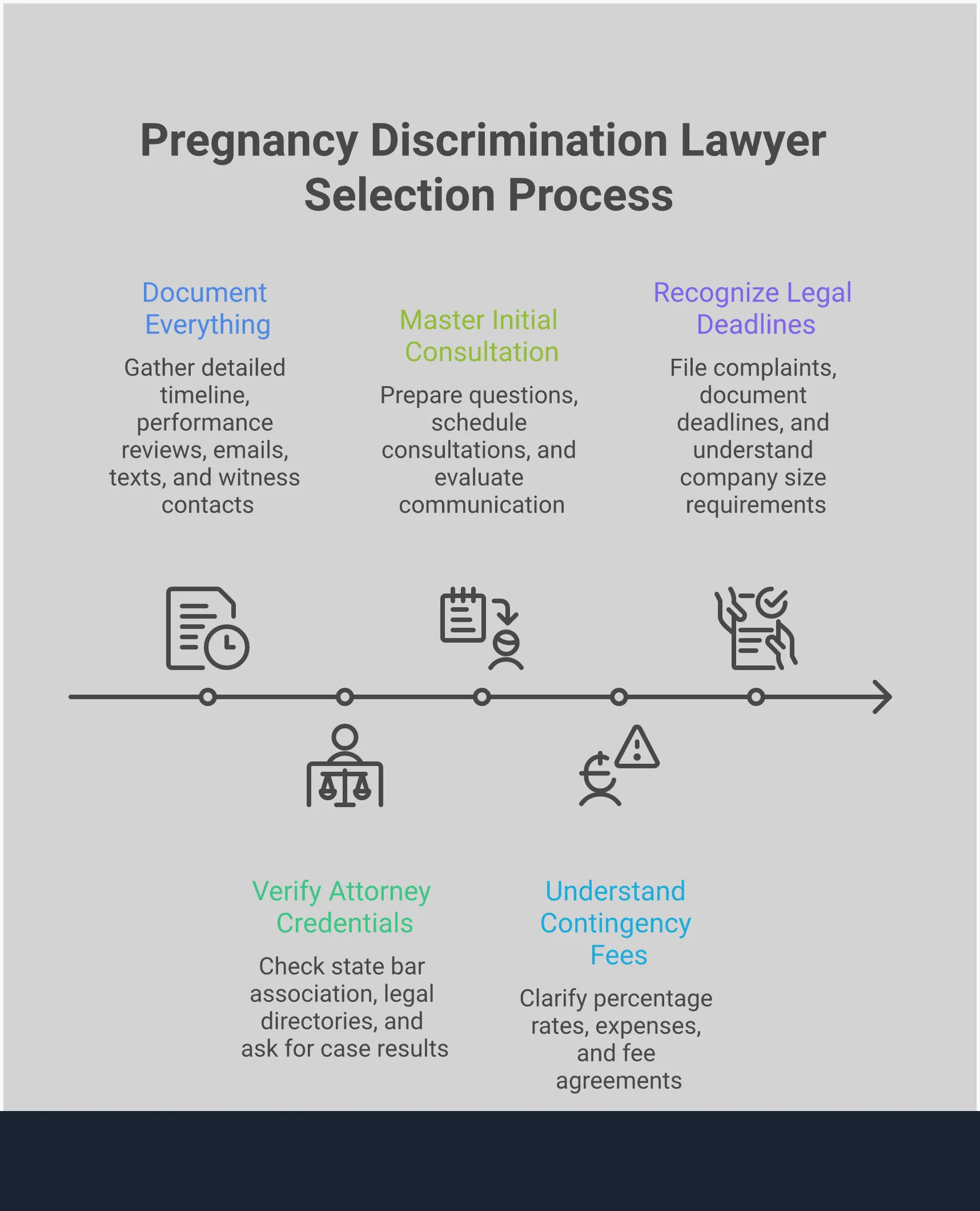
- Prepare for your first consultation: Arrive at your initial meeting with a timeline of events, key documents like performance reviews or emails, and a list of questions. This helps the attorney properly assess your claim and helps you decide if they are the right fit.
- Clarify the fee structure upfront: Most employment lawyers work on a contingency fee basis, which means you do not pay attorney fees unless you win your case. A transparent conversation about costs from the beginning ensures you can move forward with confidence.
What Is Pregnancy Discrimination?
Pregnancy discrimination is when an employer treats you unfairly because of your pregnancy, childbirth, or a related medical condition. It’s an upsetting and stressful experience, especially during a time that should be joyful. This type of discrimination isn’t always as obvious as being fired the day after you announce you’re expecting. It can show up in many ways, like being passed over for a promotion you earned, getting demoted, or not being hired in the first place. The law also protects you from unfair treatment related to taking parental leave, undergoing fertility treatments, or even having an abortion. Essentially, if a decision at work is made based on your pregnancy or status as a new parent, it could be discrimination. Understanding what this looks like is the first step toward protecting your rights and career.
Know Your Rights Under Federal and State Law
Both federal and state laws are on your side. The federal Pregnancy Discrimination Act (PDA) makes it illegal for companies with 15 or more employees to make job decisions based on pregnancy. This means they can’t fire you, reject you for a job, or alter your assignments just because you are pregnant. Additionally, the Family and Medical Leave Act (FMLA) provides protections for eligible employees at larger companies (50 or more employees) who need to take time off for pregnancy-related reasons. California laws often offer even stronger protections, covering employees at smaller companies and providing more extensive leave rights. It’s important to know that these laws exist to ensure you are treated fairly and can focus on your health and your family without fearing for your job.
Signs It’s Time to Call a Lawyer
It can be hard to know if what you’re experiencing is illegal. A major red flag is any sudden, negative change at work right after you’ve told your boss you’re pregnant. This could be an unexpected negative performance review, being left out of important meetings, or having your responsibilities changed for no clear reason. Another sign is if your employer starts making comments about your commitment or ability to do your job now that you’re pregnant. If you are fired and the reason feels vague or unsubstantiated, it could be a case of wrongful termination. Trust your gut. If the atmosphere at work has shifted and you feel targeted because of your pregnancy, it’s a good time to speak with a lawyer to understand your options.
What to Look For in a Pregnancy Discrimination Lawyer
When you’re facing pregnancy discrimination, the lawyer you choose is your most important ally. Finding the right legal partner can make a significant difference in the outcome of your case, not to mention your peace of mind during a stressful time. But with so many options out there, how do you know who to trust with something so personal and important? It really comes down to looking for a few key qualities that separate a good lawyer from a great one.
You’ll want to focus on their specific experience, their history of results, and their professional standing in the legal community. Think of it like hiring any other expert. You wouldn’t ask a general contractor to handle complex electrical wiring, and the same principle applies here. You need a specialist who understands the specific challenges of employment law and has a dedicated practice in this area. Taking the time to carefully evaluate these factors will help you find an advocate who not only has the right skills but also feels like the right fit for you. This person will be your guide and your fighter, so it’s worth the effort to find someone you can truly count on.
Specialized Experience in Employment Law
First and foremost, you need a lawyer who lives and breathes employment law. This area of the law is incredibly complex, with specific federal and state rules that are constantly changing. A general practice attorney simply won’t have the depth of knowledge required to handle your case effectively. An experienced pregnancy discrimination attorney is deeply familiar with these legal nuances. They understand the specific tactics employers use and know how to build a case that proves discrimination occurred. By working with a specialist, you can be sure your right to a supportive and fair workplace is properly defended.
A Proven Track Record of Success
Experience is one thing, but a history of winning is another. You should look for a lawyer who has a strong track record in handling discrimination cases. This doesn’t just mean big victories in court; it also includes a history of securing successful settlements for their clients. A lawyer who consistently achieves positive outcomes demonstrates that they have the skill and determination to handle your case effectively. Don’t hesitate to ask about their past results in cases similar to yours. This will give you confidence that they can handle the challenges of your wrongful termination or discrimination claim.
Professional Certifications and Awards
While not a requirement, professional recognition can be a strong indicator of a lawyer’s expertise and reputation. Look for attorneys who have earned special certifications or awards from respected legal organizations. For example, being a Board Certified Employment Lawyer is a significant accomplishment that requires extensive experience and passing a rigorous exam. Accolades and high ratings from peers also signal that a lawyer is respected in their field. You can usually find this information on the attorney’s profile on their firm’s website, which can help you verify their credentials and commitment to their practice area.
Where to Find a Great Pregnancy Discrimination Attorney
Finding the right lawyer can feel like a huge task, but you don’t have to do it alone. When you’re ready to find an attorney who will champion your rights, knowing where to look is the first step. Think of it as building your support system. A great lawyer will not only handle the legal side of things but also provide the guidance you need. Here are a few reliable places to start your search and find a legal partner you can trust.
Start with Your State Bar Association
Your first stop should be your state bar association. This is the official organization that licenses and regulates lawyers in your state, so it’s the most reliable source of information. Their website is an excellent resource because it allows you to verify that any attorney you consider is licensed and in good standing. For those in California, you can use the State Bar of California’s website to search for attorneys who specialize in employment law. This is a straightforward way to create a list of qualified local lawyers who have the credentials to handle your case.
Use Reputable Online Legal Directories
Online legal directories are another great tool for finding the right fit. Websites like Avvo, Super Lawyers, and Martindale-Hubbell gather information on attorneys and often include reviews from past clients. These reviews can give you a real sense of what it’s like to work with a particular lawyer or firm. Reading about other people’s experiences can provide insight into an attorney’s communication style, professionalism, and effectiveness. It’s a good way to see how a firm handles cases involving workplace discrimination and supports its clients through the process.
Ask for Professional Referrals
Don’t underestimate the power of a good recommendation. If you know any lawyers, even if they practice in a different field like family or business law, ask them for a referral. The legal community is well-connected, and most attorneys can point you toward a trusted colleague who specializes in employment law. A personal referral can be incredibly valuable because it often comes with a vote of confidence from someone who understands the legal profession. This can help you find a lawyer who is not only skilled but also respected by their peers.
How to Use Online Reviews to Choose Your Lawyer
Online reviews are a powerful tool when you’re searching for the right legal partner. They offer a window into what it’s really like to work with a lawyer or law firm, straight from former clients. While a high star rating is a good starting point, the real value is in the details. Reading through reviews can help you understand a lawyer’s communication style, professionalism, and dedication to their clients. It’s your chance to do some reconnaissance before you even pick up the phone, helping you build a shortlist of attorneys who seem like a good fit for you and your case.
Look Beyond the Star Rating
It’s easy to get drawn to a perfect five-star rating, but it’s important to read between the lines. A string of generic, one-sentence reviews isn’t nearly as telling as a handful of detailed, thoughtful ones that describe a client’s specific experience. Look for reviews that explain why the experience was positive. Did the lawyer communicate clearly? Did the client feel supported and heard? Similarly, don’t immediately write off a lawyer who has a few negative reviews. Read them carefully to see what the issue was. A complaint about a specific legal outcome might be different from a pattern of clients saying the firm was unresponsive, which could be a major red flag for any type of discrimination case.
See How They Respond to Feedback
How a law firm responds to its online reviews tells you a lot about its professionalism and client service. Pay close attention to their replies, especially to any negative feedback. A defensive or dismissive response is a clear warning sign. A professional and empathetic reply that acknowledges the client’s concern and offers to discuss the matter offline shows that the firm values feedback and is committed to client satisfaction. Even their responses to positive reviews matter. A simple, personalized thank you shows they appreciate their clients. This gives you a clue as to how they’ll treat you and how they’ll communicate when challenges inevitably arise during your case.
Find Testimonials from Similar Cases
When you’re facing something as personal as pregnancy discrimination, you want a lawyer who truly gets it. As you read reviews, actively look for testimonials from people who were in a situation similar to yours. Did the lawyer handle other pregnancy discrimination cases? What about other types of wrongful termination or retaliation? Finding reviews from past clients who have walked in your shoes provides powerful social proof that the attorney has the right experience. These testimonials can give you confidence that the lawyer not only understands the law but also the emotional and financial stress you’re under. Many firms also highlight client stories on their websites, which can offer even more insight into their approach.
How to Prepare for Your Initial Consultation
Your initial consultation is a critical step. It’s your chance to share your story, understand your legal options, and decide if a lawyer is the right partner for you. Think of this meeting as a two-way interview. While the attorney evaluates the details of your case, you should evaluate their experience, communication style, and strategy. Coming prepared helps you make the most of this time and allows a potential lawyer to see the strengths of your claim.
Key Questions to Ask a Potential Lawyer
To find the right fit, you need to ask the right questions. Don’t be shy about digging into a lawyer’s background and approach. Start with questions about their direct experience with cases like yours, asking “How many pregnancy discrimination cases have you handled?” or “What is your track record with these claims?” It’s also helpful to understand their process by asking who your main point of contact will be and how they communicate updates. This conversation will help you gauge their expertise in employment discrimination and determine if their style aligns with your needs.
What to Bring to Your First Meeting
Having your information organized helps your potential lawyer quickly grasp your situation. Bring a written timeline of events, noting when you told your employer you were pregnant and when the unfair treatment began. Gather relevant documents, such as your employment contract, performance reviews, and any emails or text messages related to the discrimination. If you have a list of potential witnesses, bring that too. This preparation allows the attorney to provide a more thorough evaluation of your case and your rights under laws like the Family and Medical Leave Act.
Red Flags to Watch Out For
While you’re looking for positive signs, it’s just as important to spot the red flags. Be wary of any lawyer who guarantees a specific outcome or pressures you to make a decision on the spot. A good attorney will manage your expectations realistically. Pay attention to their communication style. If they use confusing legal jargon without explaining it or seem dismissive of your questions, they may not be the supportive advocate you need. A lack of clear answers about fees or experience is another warning sign. You deserve a legal team that is transparent and respectful, like the attorneys at our firm.
Understanding the Cost of a Pregnancy Discrimination Lawyer
Worrying about legal fees is completely normal, but it shouldn’t stop you from seeking justice. Many people are surprised to learn that hiring an employment lawyer is more accessible than they think. Most lawyers who represent employees in pregnancy discrimination cases work on a contingency fee basis, which means you don’t pay any attorney fees upfront. This arrangement allows you to pursue your case without the stress of hourly bills.
The most important step is to have a transparent conversation about costs during your initial consultation. A trustworthy attorney will walk you through their fee structure and any other potential expenses, so you know exactly what to expect. Understanding the financial side of things from the beginning helps you focus on what truly matters: building a strong case and protecting your rights.
How Contingency Fees Work
A contingency fee arrangement is simple: your lawyer only gets paid if you win your case. If you receive a settlement or a court award, the attorney’s fee is a pre-agreed percentage of that amount. If you don’t win, you owe no attorney fees. This structure is standard for attorneys who represent employees because it aligns your interests with your lawyer’s. They are motivated to secure the best possible outcome for you.
When you first meet with a potential lawyer, be sure to ask what their contingency fee percentage is and what it covers. This percentage can vary, but it will be clearly outlined in a written agreement before you officially hire them. This approach removes the financial risk of pursuing a wrongful termination or discrimination claim.
Other Payment Structures and Expenses
While contingency fees are the norm for employees, employers often pay their lawyers an hourly rate. This means you are on a more level playing field, since you won’t be paying out-of-pocket for every phone call or email. However, attorney fees aren’t the only potential cost in a lawsuit. Cases can involve other expenses, such as court filing fees, costs for depositions, or fees for expert witnesses.
In most contingency fee agreements, the law firm will advance these costs on your behalf. Then, if you win your case, these expenses are typically reimbursed to the firm from your settlement or award. It’s crucial to clarify how these costs are handled. Ask your potential attorney for a clear explanation so there are no surprises down the road.
How to Financially Prepare for Your Case
The best way to prepare financially is to be fully informed. During your initial consultation, ask for a detailed breakdown of all potential costs. Make sure you receive a written fee agreement and read it carefully before signing. Don’t hesitate to ask questions about anything you don’t understand. A good lawyer will want you to feel comfortable and confident in your arrangement.
It’s also helpful to gather any documents related to your income and the financial losses you’ve suffered due to the discrimination. This can include pay stubs, performance reviews, and any evidence of lost wages or benefits. Having this information organized will help your attorney accurately assess the potential value of your wage and hour claims and build a stronger case for you.
What Does the Legal Process Look Like?
Facing a legal battle can feel overwhelming, but knowing what to expect can make the entire process feel more manageable. While every case is unique, pregnancy discrimination claims generally follow a structured path. It starts with filing a formal complaint, moves into a phase of gathering evidence to build your case, and ends with either a negotiated settlement or a court decision. An experienced attorney will guide you through each stage, handling the complex procedures so you can focus on your family and well-being. The goal is to build a strong, evidence-based case that clearly shows you were treated unfairly because of your pregnancy, paving the way for a just resolution.
Filing Your Initial Claim
The first official step isn’t filing a lawsuit. In California, you must first file a formal complaint with the Civil Rights Department (CRD). This agency is responsible for enforcing the state’s anti-discrimination laws. Filing with the CRD is a mandatory prerequisite before you can take your case to court. This step initiates an investigation and is a critical part of the legal journey. Your lawyer will prepare and file this complaint on your behalf, making sure it accurately tells your story and meets all legal deadlines. This ensures your rights are preserved while the foundation for your case is properly laid.
Gathering Evidence and Building Your Case
To successfully prove pregnancy discrimination, you need strong evidence. Your attorney will work with you to document everything that supports your claim. This includes keeping detailed records of conversations, saving relevant emails, and noting any instances where you felt treated unfairly due to your pregnancy. The goal is to show that your pregnancy was a significant reason for an adverse employment action, such as a demotion, a poor performance review, or being fired. A key part of this is demonstrating that other, non-pregnant employees in similar roles were treated more favorably. This evidence helps establish a pattern of discrimination and builds a compelling argument.
Settlement Negotiations and Litigation
Most employment cases are resolved before they ever reach a courtroom. After building a strong case, your lawyer will likely enter into settlement negotiations with your employer. Because defending a lawsuit can be expensive and time-consuming for a company, they are often motivated to agree on a fair settlement. If you win your case, either through a settlement or a trial, you may be entitled to compensation for lost wages, emotional distress, and other damages. In some cases, you might even get your job back. If a fair agreement can’t be reached, your attorney will be prepared to fight for your rights in court, handling the entire litigation process.
Common Mistakes to Avoid When Hiring a Lawyer
Choosing the right legal partner is one of the most critical steps in your pregnancy discrimination case. The attorney you hire can significantly shape your experience and the final outcome. Unfortunately, it’s easy to make a few common missteps when you’re under stress and unsure of the process.
Knowing what to watch out for can help you find a lawyer who is not only skilled but also the right fit for you and your goals. By avoiding these pitfalls, you can build a stronger, more transparent relationship with your legal team from day one. This sets the foundation for a partnership built on trust and a shared commitment to protecting your rights.
Don’t Fall for Common Misconceptions
One of the biggest mistakes you can make is assuming any lawyer can effectively handle a pregnancy discrimination claim. This area of law is incredibly nuanced, and you need someone who specializes in it. Hiring an attorney focused on employment discrimination can make a huge difference because they understand the specific statutes, legal precedents, and tactics employers use.
A general practice attorney simply won’t have the focused experience needed to build the strongest possible case. An expert knows what evidence to look for, how to depose witnesses effectively, and how to argue your case against seasoned corporate lawyers. Don’t underestimate the value of a specialist; their expertise is your advantage.
Set Realistic Expectations for Your Case
It’s important to go into the legal process with a clear and realistic view of what to expect. These cases can take time, and the outcome isn’t always a massive, headline-grabbing settlement. The value of a case can vary widely, and sometimes a successful result involves more than just financial compensation. For example, a settlement might require your former employer to implement new policies to prevent future discrimination.
During your initial consultations, have an open conversation with potential attorneys about possible timelines, costs, and outcomes. A good lawyer will be transparent with you about the strengths and weaknesses of your case, helping you understand the full picture. This ensures you and your attorney are aligned on the goals from the very beginning.
Establish Clear Communication from the Start
A healthy attorney-client relationship is built on clear and consistent communication. You need a lawyer who will keep you informed about your case and is available to answer your questions. When you’re vetting attorneys, look for someone with a strong track record that includes not just courtroom wins but also successful settlements, as this often points to strong negotiation and communication skills.
Don’t be afraid to ask a potential lawyer about their communication style. How often will you receive updates? Who is your primary point of contact? Establishing these expectations early on prevents frustration later. Remember, this is a partnership. A lawyer who values clear communication will help you feel more confident and in control throughout the legal process.
How Bluestone Law Can Help Protect Your Rights
Facing discrimination at work, especially when you’re expecting, can feel isolating and overwhelming. You’re focused on your health and your growing family, and the last thing you need is to worry about your job security or face unfair treatment from your employer. This is where having a dedicated legal advocate on your side can make all the difference. At Bluestone Law, we are committed to standing up for employees across California. We provide the legal support and guidance you need to protect your rights and secure your future, allowing you to focus on what truly matters.
Our approach is built on a foundation of empathy and legal strength. We understand that this is more than just a case; it’s about your livelihood, your well-being, and your family. We take the time to listen to your story, explain your options in plain language, and develop a strategy tailored to your specific situation. From the moment you contact us, you’ll have a team of experienced professionals ready to fight for you. We handle the complexities of the legal system, from investigating your claim and gathering evidence to negotiating with your employer, ensuring your voice is heard and your rights are defended every step of the way.
Our Expertise in California Pregnancy Discrimination Law
Our team has a deep understanding of the laws that protect pregnant workers. We are well-versed in both the federal Pregnancy Discrimination Act and California’s own Fair Employment and Housing Act (FEHA), which often provides even greater protections. We know how these laws apply to real-life situations, whether you were denied a promotion, refused reasonable accommodations, or wrongfully terminated. Our expertise in employment discrimination law means we can effectively identify illegal practices and build a powerful case to hold your employer accountable. We stay current on every legal detail so you don’t have to.
A Firm That Puts Employees First
At Bluestone Law, we believe that strong legal representation should also be compassionate. We see our clients as partners, and we are dedicated to making the legal process as clear and stress-free as possible. You will never be just another case number to us. We prioritize open communication, ensuring you are informed and involved at every stage. Our goal is to shoulder the legal burden for you, fighting tirelessly to achieve the justice and compensation you deserve. You can learn more about the values that drive our firm and our unwavering commitment to advocating for employees just like you.
Related Articles
- Pregnancy Discrimination Act of 1978: Know Your Rights
- Pregnancy Discrimination Lawyer Los Angeles: A Guide
Frequently Asked Questions
What if I can’t afford to hire a lawyer for my case? This is a very common and understandable worry, but it shouldn’t stop you from getting help. Most employment lawyers who represent employees work on a contingency fee basis. This means you don’t pay any attorney fees upfront. Instead, the lawyer’s fee is a percentage of the settlement or award you receive if you win your case. If you don’t win, you don’t owe them any attorney fees, which removes the financial risk for you.
What are some less obvious examples of pregnancy discrimination? It’s not always as clear as being fired right after you announce your pregnancy. Discrimination can be much more subtle. It might look like being passed over for a promotion you were qualified for, having your hours suddenly cut, or being excluded from important projects. It could also be receiving an unexpectedly negative performance review for the first time or your employer making negative comments about your commitment to your job now that you’re expecting.
How much time do I have to file a claim? There are strict legal deadlines, often called statutes of limitations, for filing a discrimination claim. In California, you must first file a complaint with the Civil Rights Department (CRD) before you can file a lawsuit. The deadlines can be complex, so it is incredibly important to speak with an attorney as soon as you believe you have been treated unfairly. Waiting too long could prevent you from being able to pursue your case at all.
What kind of evidence is helpful to prove my case? Strong evidence is key to building a successful claim. You should save any written communication, like emails or text messages, that relate to your pregnancy, your job duties, or any unfair treatment. It’s also a great idea to keep a private journal where you document specific incidents, including dates, times, what was said, and who was present. This documentation can help establish a pattern of discriminatory behavior.
Will I definitely have to go to court if I pursue a claim? Most people are relieved to hear that the vast majority of employment discrimination cases are resolved without ever going to trial. Your attorney will likely try to negotiate a fair settlement with your employer first. Companies are often motivated to settle to avoid the time and expense of a lawsuit. A trial is typically the final option if a reasonable agreement cannot be reached through negotiation.
Think you were wrongfully terminated?
Get a free, confidential case evaluation from our experienced employment law attorneys.
Request Your Free Consultation