

A toxic work environment does more than just ruin your day; it can take a serious toll on your mental health, confidence, and financial stability. Enduring constant harassment, discrimination, or retaliation at work is an incredibly heavy burden to carry alone. You might feel isolated and unsure of where to turn for help. The good news is that you don’t have to bear this weight by yourself. An attorney for employment issues serves as more than just a legal representative; they become your advocate and your shield, taking that pressure off your shoulders. They handle the difficult conversations and complex legal procedures, allowing you to focus on your well-being while they fight for the justice you deserve.
Key Takeaways
- Start Building Your Case Now: Before you even speak to a lawyer, you can strengthen your position by keeping a detailed log of incidents, preserving all related evidence like emails, and reporting the issue through official company channels.
- Don’t Let Cost Stop You From Seeking Help: Most employment attorneys work on a contingency fee basis, which means you owe no legal fees unless they win your case. This structure removes the financial risk of getting professional legal advice.
- An Attorney is a Strategic Partner: A lawyer does more than file paperwork; they act as your expert negotiator to maximize your recovery, protect you from employer retaliation, and safeguard your long-term career prospects.
When Does an Employment Attorney Step In?
Knowing when to call an employment attorney can feel like a big step, but it’s often the most important one you can take to protect your rights. An attorney becomes your advocate when you’re facing a situation that feels unfair, illegal, or just plain wrong. They step in to clarify complex laws, represent your interests against your employer, and guide you through the formal complaint process. Whether you’ve been fired without just cause, denied fair pay, or are enduring an unbearable work environment, a legal professional can assess your situation and outline your options. Their involvement signals to your employer that you are serious about seeking justice, often leveling the playing field in disputes where there’s a clear power imbalance.
Fighting Workplace Discrimination
If you believe you’re being treated unfairly because of your race, gender, age, disability, or another protected characteristic, it’s time to seek legal advice. Workplace discrimination can be subtle—like being repeatedly passed over for promotions—or overt. An attorney helps you gather evidence to build a strong case, showing that your employer’s actions were motivated by illegal bias. They understand the specific laws that protect you from this kind of mistreatment. Proving discrimination is complex, but a lawyer can connect the dots between your employer’s behavior and your protected status, fighting to hold them accountable for their unlawful actions and secure the justice you deserve.
Contesting a Wrongful Termination
While California is an “at-will” employment state, meaning you can be fired for almost any reason, there are crucial exceptions. It is illegal for an employer to fire you for discriminatory reasons, in retaliation for reporting illegal activity, or for taking legally protected leave. If you suspect your firing was unlawful, an attorney can help you contest a wrongful termination. They will analyze the circumstances of your dismissal to see if it violates public policy or your employment contract. Speaking up with legal backing not only helps you seek justice for yourself but can also prevent the same thing from happening to your former colleagues.
Resolving Wage and Hour Disputes
Your employer is legally required to pay you for all the time you work, including overtime, and provide mandated meal and rest breaks. When they fail to do so, an employment attorney can help you recover your unpaid earnings. Common wage and hour claims involve issues like being misclassified as an independent contractor, being forced to work off the clock, or not receiving proper overtime pay. An attorney can conduct a thorough audit of your pay records, calculate what you’re owed, and file a formal complaint to reclaim your hard-earned money. They handle the entire process so you can focus on your work and life.
Addressing Harassment and Hostile Work Environments
No one should have to endure a workplace where they feel threatened, intimidated, or offended. When unwelcome conduct based on your race, gender, or other protected status becomes so severe that it interferes with your ability to do your job, it may legally qualify as a hostile work environment. This includes persistent offensive jokes, slurs, or unwanted physical advances. An attorney can help you document the behavior and formally report it. If your employer fails to take corrective action, your lawyer will guide you on the next steps to stop the harassment and protect your right to a safe workplace.
Protecting Whistleblowers from Retaliation
Speaking out against illegal or unsafe practices at work takes courage, and the law is on your side. If you report your employer for fraud, safety violations, or other unlawful activities, you are considered a whistleblower. Your employer is legally forbidden from punishing you for it. Unfortunately, some employers ignore the law. If you’ve been demoted, fired, or otherwise punished after reporting misconduct, you may be a victim of retaliation at work. An employment attorney can step in immediately to defend your rights, work to reverse the negative action, and hold your employer accountable for their illegal response.
Should You Hire an Employment Attorney?
Deciding to contact a lawyer can feel like a huge step, especially when you’re already dealing with a stressful situation at work. You might wonder if your problem is “serious enough” or if you can just handle it on your own. But when your livelihood and professional reputation are on the line, getting expert advice is one of the smartest moves you can make. An employment attorney can help you understand your rights and figure out the best path forward, ensuring you don’t have to face a difficult employer alone.
Key Signs You Need Legal Advice
If you feel like you’ve been treated unfairly at work but aren’t sure what to do next, that’s a clear sign to seek legal advice. Many people don’t realize their rights have been violated or how to stand up for themselves effectively. Whether you’re facing potential discrimination, harassment, or unfair pay practices, you don’t have to figure it out alone. A skilled attorney can listen to your story, explain your legal options, and help you build a strong case to get the resolution you deserve. It’s about having a professional advocate in your corner.
Why Deadlines Matter in Your Case
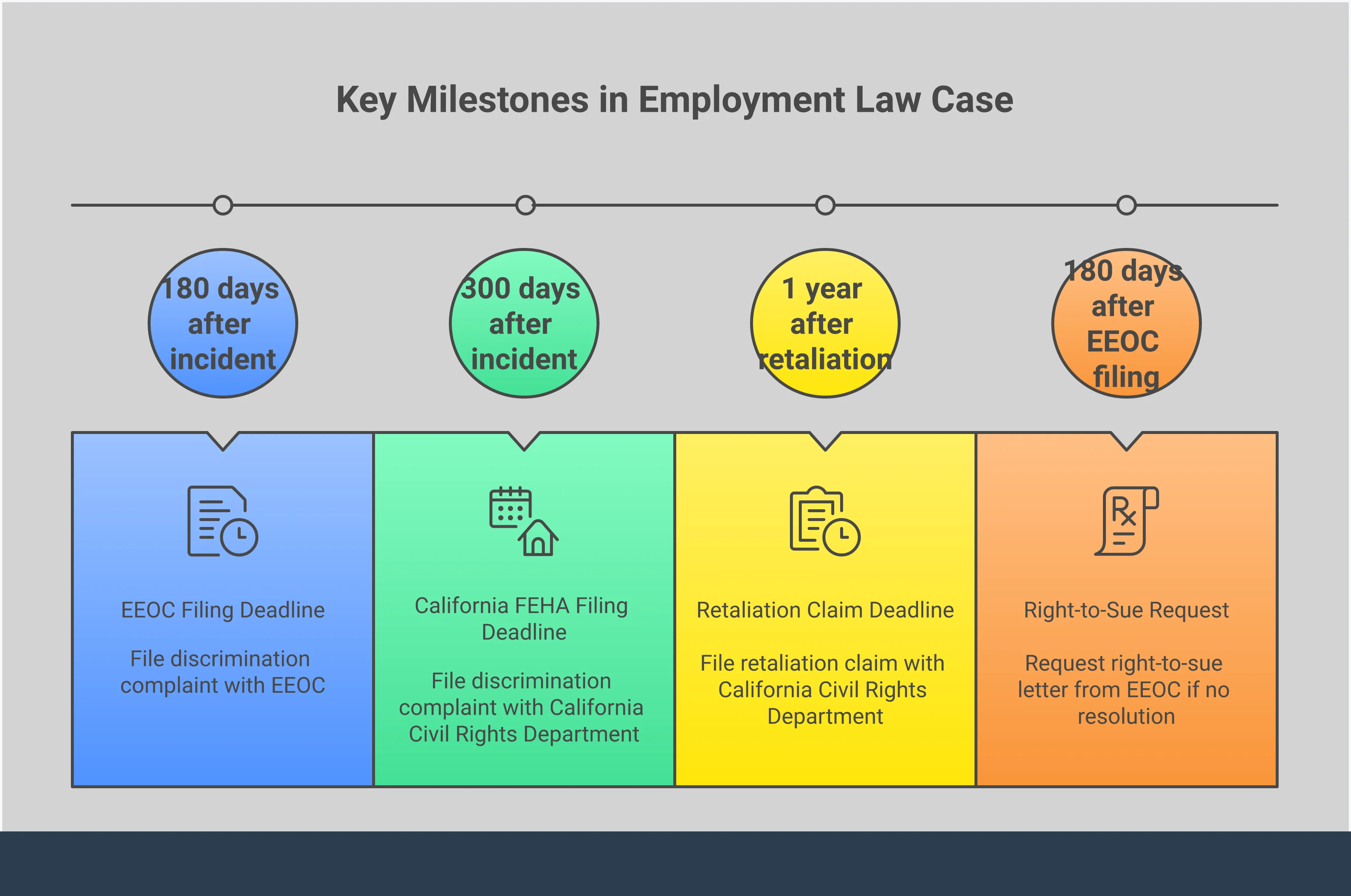
When it comes to employment issues, time is not on your side. There are strict legal deadlines, known as statutes of limitations, for filing claims. For example, if you’re a victim of retaliation at work for reporting illegal activity, it’s often best to consult an attorney before you even resign. Missing a deadline can mean losing your right to take legal action entirely. An attorney will know the specific time limits that apply to your situation and can ensure all paperwork is filed correctly and on time, protecting your ability to pursue your case.
When Your Situation Gets Complicated
Employment law is complex, with layers of federal, state, and local regulations. What seems like a straightforward issue, such as a wrongful termination, can quickly become complicated. An employer might present a reason for firing you that seems legitimate on the surface, but an experienced attorney knows how to gather evidence to show the real, illegal reason behind their decision. They can manage the intricate legal procedures, from filing the initial complaint to representing you in negotiations or hearings, making sure your case is presented as effectively as possible.
What Does It Really Cost to Hire an Employment Attorney?
Let’s be honest: when you’re dealing with a stressful work situation, the last thing you want to worry about is a huge legal bill. The good news is that hiring an employment attorney is often more accessible than you might think. Most firms that represent employees understand you’re likely in a tough financial spot and have fee structures designed to help. The key is understanding how these different payment models work so you can find a solution that fits your situation. Before you decide you can’t afford help, take a moment to learn about the common ways attorneys are paid.
Understanding Contingency Fees
Many employment law firms, including ours, work on a contingency fee basis. In simple terms, this means you don’t pay any attorney fees unless you win your case, either through a settlement or a court verdict. If you recover money, the firm receives a pre-agreed-upon percentage of that amount. This percentage typically ranges from 33% to 40% of the total recovery. This approach allows you to pursue a valid claim without needing to pay for legal representation upfront, which is especially helpful if you’ve experienced a wrongful termination and lost your income. It ensures your attorney is just as motivated as you are to achieve a successful outcome.
How Hourly Rates and Retainers Work
Another common payment structure is the hourly rate. In this model, you pay the attorney for every hour they spend working on your case. Rates can vary widely depending on the lawyer’s experience and location, but they often fall between $200 and $600 per hour. Some attorneys who charge hourly may also ask for a retainer, which is an upfront deposit that they draw from as they work. While this model is common in other areas of law, it’s less typical for employees filing claims against their employers. You’re more likely to see it when you need an attorney to review a contract or provide legal advice rather than represent you in a lawsuit.
What Other Case Expenses to Expect
Beyond the attorney’s fee, every legal case comes with additional costs. These are the out-of-pocket expenses required to move your case forward. Common examples include court filing fees, the cost of hiring expert witnesses to testify, fees for court reporters during depositions, and expenses for obtaining official records and documents. It’s crucial to ask a potential attorney how these costs are handled. Some firms may ask you to cover them as they arise, while others might advance these costs and deduct them from your settlement or award at the end of the case. Understanding this from the start helps you get a full picture of the financial side of your employment law claim.
Finding a Free Consultation
You should never have to pay just to find out if you have a case. Reputable plaintiff’s employment attorneys almost always offer a free initial consultation. This meeting is a two-way street: it’s a chance for the lawyer to hear your story and assess the strength of your claim, and it’s your opportunity to ask questions and see if the attorney is the right fit for you. This no-pressure conversation is the perfect time to discuss potential legal strategies, timelines, and, of course, the fee structure and other costs. It’s a completely risk-free first step toward understanding your rights and getting the help you deserve.
What Are the Benefits of Having an Attorney?
When you’re facing a problem at work, the thought of hiring a lawyer can feel overwhelming. But going up against an employer alone means you’re facing a company that likely has its own legal team or HR department. An employment attorney levels the playing field. They act as your advocate, your strategist, and your shield, ensuring your rights are protected every step of the way. Think of it not as an expense, but as an investment in your career and your peace of mind.
Leverage Expert Knowledge of the Law
California has some of the most complex and employee-friendly employment laws in the country, but they are intricate and full of deadlines. An experienced attorney lives and breathes these rules. They can quickly assess the strength of your case, identify which laws your employer may have violated, and explain your situation in the proper legal terms. This expertise is critical, as a simple misstep in filing paperwork or missing a deadline can jeopardize your entire claim. An attorney ensures your case is built on a solid legal foundation from the very beginning.
Develop a Professional Case Strategy
A strong case is more than just a valid complaint; it’s a well-told story backed by solid evidence. A skilled lawyer helps you craft that story. They will work with you to gather crucial documents, interview witnesses, and anticipate the employer’s arguments. This strategic approach is essential to getting the results you deserve. They’ll map out a clear plan, whether it’s aimed at a swift settlement or a courtroom battle, giving you a roadmap for how to move forward and what to expect at each turn.
Maximize Your Settlement with a Skilled Negotiator
Employers and their insurance companies are focused on paying out as little as possible. Without a lawyer, you might accept a lowball offer simply because you don’t know what your case is truly worth. An attorney is a skilled negotiator who understands the full value of your claim, including lost wages, emotional distress, and other damages. They handle the tough conversations, fighting for a fair settlement that reflects what you’ve endured. This allows you to focus on your well-being while they work to secure the best possible financial outcome for you.
Protect Yourself Against Employer Retaliation
One of the biggest fears employees have is that they’ll be punished for speaking up. It is illegal for an employer to fire, demote, or otherwise penalize you for asserting your legal rights. When you hire an attorney, they become a buffer between you and your employer. All communication goes through them, which sends a powerful message that you will not be intimidated. If your employer does engage in unlawful retaliation, your lawyer will be there to document it and take immediate action.
Gain Access to Legal Resources and Experts
When you hire an attorney, you’re not just getting one person’s expertise—you’re gaining access to their entire network of resources. This includes paralegals to manage your case, investigators to uncover evidence, and expert witnesses like economists or medical professionals who can testify on your behalf. A reputable law firm has the tools and connections needed to build the strongest case possible. This team-based approach provides a level of support that is nearly impossible to replicate on your own, giving your claim the weight and credibility it needs to succeed.
Common Myths About Attorney Costs
The thought of legal fees can be intimidating enough to stop you from seeking help, but many common beliefs about attorney costs just aren’t true. Misconceptions about upfront payments and case value prevent too many people from standing up for their rights. The reality is that quality legal representation is often more accessible than you think. Let’s clear up a few of these myths so you can make an informed decision about protecting your career and well-being.
Myth #1: You Have to Pay Everything Upfront
One of the biggest worries is having to come up with a large sum of money just to get started. The good news is that most employment lawyers, including our team at Bluestone Law, work on a contingency fee basis. This means you don’t pay any attorney fees unless we win your case through a settlement or court verdict. The fee is simply a percentage of the money you recover, typically between 33% and 40%. This approach allows you to pursue justice without financial risk, ensuring that your ability to hire a great lawyer isn’t dependent on your bank account.
Myth #2: Your Case Isn’t “Big Enough” to Pursue
It’s easy to downplay what you’re experiencing at work, especially if you think it’s not a million-dollar issue. But the validity of your case has nothing to do with its size. Any violation of your rights, whether it’s a single instance of discrimination or ongoing harassment, is significant. Many people who are mistreated at work don’t realize the strength of their claim until they speak with a professional. A skilled attorney can evaluate the details of your situation and explain your legal options. No case is too “small” when it comes to upholding the law and ensuring you’re treated fairly.
Myth #3: You Can Handle a Complex Case Alone
While it might seem tempting to manage your own case to save money, employment law is incredibly complex. It involves strict deadlines for filing claims, specific procedures for gathering evidence, and a deep understanding of state and federal statutes. Trying to handle a wrongful termination or retaliation claim on your own puts you at a major disadvantage against your employer’s experienced legal team. An attorney knows how to build a compelling case, anticipate the employer’s arguments, and properly position your claim for the best possible outcome. Their expertise is essential for getting the results you deserve.
Myth #4: The Quoted Fee Is the Final Price
It’s important to understand the difference between attorney fees and case costs. While a contingency fee covers your lawyer’s time and work, there are other expenses required to pursue a case. These can include court filing fees, costs for depositions, and fees for expert witnesses who might be needed to testify on your behalf. A reputable attorney will be transparent about these potential costs from the very beginning. They should explain what expenses to anticipate and how they are handled, ensuring there are no surprises down the road. This transparency is a key part of a trustworthy attorney-client relationship.
How to Measure Your Return on Investment
Thinking about hiring an attorney can feel like a big financial decision, and it’s smart to consider the return on your investment. But that return isn’t just about the final settlement number. It’s also about your future career, your peace of mind, and the time you get back. A good lawyer helps you see the full picture, weighing the potential outcomes against the costs so you can make a decision that feels right for you. They can help you understand what you stand to gain financially, professionally, and personally, giving you the clarity to move forward with confidence.
Weighing Your Potential Recovery Against Legal Fees
Let’s start with the numbers. The first question on most people’s minds is, “What can I get, and what will it cost?” An experienced attorney will help you calculate potential financial recovery, which could include lost wages, damages for emotional distress, and other penalties against your employer. They will also be transparent about their fees. Many employment law firms work on a contingency basis, meaning they only get paid if you win your case. This structure aligns their goals with yours and reduces your upfront financial risk. The costs of a lawsuit include more than just legal fees; there are also court filings and expert witness fees to consider. A clear understanding of these potential expenses versus your potential award is the first step in evaluating your ROI.
Protecting Your Long-Term Career
A workplace dispute can have a lasting impact on your professional life. The return on investment from hiring an attorney extends far beyond a single settlement check; it’s also about safeguarding your future. An attorney can help you negotiate severance agreements that don’t unfairly restrict your future employment options or fight to clear your name after a wrongful termination. They also act as a shield against employer retaliation, ensuring that standing up for your rights doesn’t jeopardize your career path. Securing your professional reputation and ability to earn a living for years to come is one of the most valuable returns you can get.
Factoring in the Value of Your Time and Stress
Going up against an employer is emotionally and mentally draining. The legal process is filled with complex procedures, strict deadlines, and tense negotiations. Handling this alone means countless hours spent on research, paperwork, and stressful phone calls—all while you’re likely trying to find a new job and manage your personal life. Hiring an attorney allows you to hand that burden over to a professional. They manage the details and communications, which frees up your time and energy. This peace of mind is a priceless part of your return on investment, allowing you to focus on moving forward while a professional advocates for you.
Understanding the Risks vs. Rewards
Every legal case comes with a set of risks and potential rewards. An essential role of your attorney is to help you understand this balance. They can provide a realistic assessment of your case’s strengths and weaknesses, the likelihood of success at trial, and the potential benefits of settling early. Sometimes, a quick settlement is the best strategic move to minimize costs and emotional strain. Other times, it’s worth fighting for a better outcome. Having a skilled legal partner from a firm like Bluestone Law ensures you’re not making these critical decisions in the dark. They provide the strategic guidance needed to weigh your options and choose the path that best serves your long-term interests.
What to Do Before You Hire an Attorney
Before you pick up the phone to call a lawyer, there are a few crucial steps you can take to protect yourself and strengthen your potential case. Think of it as laying the groundwork. Taking action early on shows that you’ve been proactive and can provide your future attorney with the solid evidence they need to build a compelling argument on your behalf. While every situation is unique, these preliminary steps are almost always a good idea if you believe your rights at work have been violated.
Handling these initial tasks can feel overwhelming, especially when you’re already dealing with a stressful work environment. But remember, you’re not just collecting papers; you’re building a foundation for justice. By documenting incidents, reporting issues through the proper channels, and preserving evidence, you create a clear record of events that will be invaluable later. These actions can make a significant difference in the outcome of your case, whether you’re dealing with ongoing harassment or a wrongful termination. It puts you in a position of power and prepares you for a productive conversation when you are ready to seek legal advice.
Document Everything
Your memory is powerful, but a written record is undeniable. Start keeping a detailed log of every incident that feels wrong. For each entry, note the date, time, and location. Write down exactly what happened and what was said, using direct quotes if you can remember them. List everyone who was present, including any witnesses. This detailed documentation can serve as critical evidence, especially in cases involving a pattern of harassment or a hostile work environment. Be as specific and objective as possible. Sticking to the facts will make your records much more credible and useful down the line.
Report the Issue Internally
It might seem counterintuitive to report a problem to the company that’s causing it, but it’s often a necessary step. Most companies have official procedures for filing complaints, usually through a human resources department. Following these internal channels shows that you gave your employer a chance to fix the problem before escalating it. This can be a key point in a legal case, demonstrating that you acted in good faith. Make sure you put your complaint in writing (an email is great for this) and keep a copy for your records. This creates a paper trail that proves you reported the discrimination or other misconduct.
File a Complaint with the Right Agency
Depending on the nature of your issue, you may need to file a formal complaint with a state or federal agency before you can file a lawsuit. In California, agencies like the Civil Rights Department (CRD) or the federal Equal Employment Opportunity Commission (EEOC) handle claims related to discrimination, harassment, and retaliation. There are strict deadlines for filing these complaints, so it’s important not to wait. Figuring out which agency to contact and how to navigate their process can be confusing, which is one of the first things an employment attorney can help you with. Taking this step is often a legal requirement to preserve your right to sue for issues like retaliation at work.
Preserve All Your Evidence
Beyond the log you’re keeping, it’s essential to save any physical or digital evidence related to your situation. This includes emails, text messages, voicemails, performance reviews, pay stubs, company memos, and photos. Don’t delete anything, even if you’re not sure it’s relevant. It’s better to have too much information than not enough. If you are reporting illegal or unsafe activities, you may be protected as a whistleblower, and this evidence is vital for your protection. Store copies of digital files in a safe, personal place that you can access outside of your work computer, like a personal cloud drive or USB stick.
How to Find the Right Employment Attorney for You
Choosing an attorney is one of the most important decisions you’ll make in your case. This person will be your advocate, your strategist, and your guide through a challenging and often emotional process. You need more than just a legal expert; you need a partner you can trust. The right fit goes beyond a law degree and a fancy office. It’s about finding a firm whose values align with yours and a lawyer who makes you feel heard and understood. Think of this as a hiring process where you are in control. You’re looking for someone with the right skills, a proven track record in cases like yours, and a communication style that gives you confidence.
Take your time to do the research. Look into different firms, read about their lawyers, and see what past clients have to say. A good employment law firm will be transparent about its experience and approach. For example, at Bluestone Law, we focus exclusively on advocating for employees, and we believe that dedication shows in our work. Your goal is to find a legal team that not only understands the law but also understands you. Don’t rush the decision. The effort you put in now to find the right attorney will pay off significantly as your case moves forward.
Research Their Specialization and Experience
Not all lawyers are the same. You wouldn’t see a foot doctor for a heart problem, and the same logic applies here. You need an attorney who lives and breathes employment law. Look for a firm that dedicates its practice to representing employees. Check their website for specific experience in your type of case, whether it’s wrongful termination, harassment, or a wage dispute. An attorney who has handled dozens of similar situations will understand the specific challenges and strategies involved. Look for case results or testimonials that show a history of success. This focus is crucial because employment laws are complex and constantly changing. A specialist will be up-to-date and prepared to handle the nuances of your claim.
Schedule a Few Initial Consultations
Most employment attorneys offer an initial consultation, often for free, to discuss your case. Take advantage of this. It’s your opportunity to interview them, just as they are evaluating your claim. Try to speak with at least two or three different lawyers to get a feel for their approach and personality. Prepare a list of questions beforehand. Ask about their experience with cases like yours, who would be handling your case day-to-day, and what their initial thoughts are on your situation. This meeting is the best way to gauge whether you feel comfortable and confident with them. It’s a chance to see if they are a good fit before you make any commitments.
Find a Communication Style That Fits
Your attorney will be your main point of contact for what could be a long and stressful period. It’s essential that you can communicate well with them. During your consultation, pay attention to how they speak to you. Do they explain complex legal ideas in a way you can understand? Do they listen to your story and answer your questions patiently? You should feel like you’re on the same team. A good lawyer will keep you informed about your case and be responsive when you have concerns. If you leave a meeting feeling confused, dismissed, or intimidated, that’s a red flag. Trust your gut—you deserve an advocate who empowers you, not one who makes you feel small.
Ask About Their Strategy and Fee Structure
Before you sign anything, make sure you have a clear understanding of two things: the proposed legal strategy and the cost. Ask the attorney for their honest assessment of your case’s strengths and weaknesses and their general plan for moving forward. You also need to have a frank conversation about fees. Many employment lawyers work on a contingency basis, meaning they only get paid if you win your case, typically taking a percentage of the settlement. Ask what that percentage is and what other costs you might be responsible for, like filing fees or expert witness expenses. A reputable attorney will be transparent about their wage and hour claims and ensure you understand the financial agreement completely.
What to Expect from the Legal Process
Thinking about taking legal action can feel overwhelming, but the process is more structured than you might think. While every case is unique, most follow a similar path from your first call to a final resolution. Understanding these stages can help you feel more in control and prepared for what’s ahead. It all starts with a simple conversation to review your situation and ends with a strategy designed to protect your rights.
Your Initial Case Review
The first step is your initial consultation with an attorney. This is a confidential conversation where you can share your story and present any evidence you’ve gathered. The attorney will listen, ask questions, and assess whether you have a strong legal claim. Think of it as an opportunity to get a professional opinion on your situation and understand your options. At our firm, we use this meeting to determine the best path forward. It’s also your chance to see if the attorney is a good fit for you—you should feel comfortable and confident in their ability to represent you.
The Investigation and Discovery Phase
Once you decide to move forward, your attorney will begin the investigation and discovery phase. This is the formal process of gathering all the facts and evidence related to your case. It involves collecting documents like emails, contracts, and performance reviews, as well as interviewing witnesses. Both sides exchange information to build their arguments. This stage can be lengthy, but it’s essential for creating a strong foundation for your claim. A thorough investigation ensures your attorney has everything they need to effectively fight for you, whether you’ve experienced a wrongful termination or another workplace injustice.
Negotiating a Settlement vs. Preparing for Trial
Most employment cases are resolved before they ever reach a courtroom. After the discovery phase, your attorney will likely enter into settlement negotiations with your employer. A settlement is a confidential agreement to resolve the dispute, usually involving financial compensation. It’s often faster, less expensive, and less risky than going to trial. However, if a fair agreement can’t be reached, your attorney will prepare to take your case to court. This decision is a strategic one you’ll make together, weighing the potential outcomes of fighting a retaliation claim in court versus accepting a settlement offer.
Setting Expectations for Timelines and Communication
Legal matters don’t resolve overnight. The process can take months or even years, so it’s important to be patient. Your attorney should set clear expectations about the timeline and keep you informed about significant developments in your case. Open communication is key. Don’t hesitate to ask questions about progress or what to expect next. Deadlines are critical in legal cases, especially when dealing with issues like family and medical leave, so staying in touch with your legal team ensures nothing falls through the cracks. A good lawyer will be your partner, guiding you through each step with clarity and support.
Related Articles
- Employment Lawyer: Your Complete Guide for 2025
- Wrongful Termination Attorney in California | Bluestone Law
- Canoga Park Employment Lawyer – Bluestone Law
Frequently Asked Questions
What if I can’t afford to pay a lawyer right now? This is the most common concern, and the answer is usually much simpler than people think. Most reputable employment attorneys who represent employees work on a contingency fee basis. This means you don’t pay any legal fees out of your own pocket. Instead, the attorney’s fee is a percentage of the money they recover for you, whether through a settlement or a court award. If you don’t win your case, you don’t owe them a fee. This structure ensures that everyone has access to quality legal help, regardless of their financial situation.
Will I have to sue my employer and go to court? The idea of a dramatic courtroom battle can be intimidating, but it’s not the reality for most employment cases. The vast majority of disputes are resolved through negotiation and settlement long before a trial ever becomes necessary. An experienced attorney is a skilled negotiator who will work to reach a fair agreement with your employer outside of court. The goal is always to achieve the best possible outcome for you, and often that means securing a favorable settlement without the time, stress, and expense of a trial.
What should I do if I’m afraid of being fired for seeking legal help? It is completely illegal for your employer to punish you in any way for asserting your legal rights, and that includes consulting with an attorney. The law specifically protects you from this kind of retaliation. If you are fired, demoted, or treated unfairly after your employer finds out you’ve sought legal advice, that action itself can form the basis of a separate legal claim. Hiring an attorney actually provides you with a layer of protection, as they can communicate with your employer on your behalf and address any retaliatory behavior immediately.
How do I know if my situation is “bad enough” to call an attorney? Many people second-guess themselves, wondering if their problem is serious enough to warrant legal action. The truth is, you don’t have to make that judgment call alone. If a situation at work feels wrong, unfair, or illegal, it’s worth discussing with a professional. Employment law is complex, and an attorney can help you understand if your rights have been violated. A free, confidential consultation is the perfect, no-risk way to get clarity on your situation and learn about your options.
What kind of information should I have ready before my first consultation? To make your first meeting as productive as possible, it helps to gather any relevant documents you have. This could include your employment contract, recent performance reviews, pay stubs, and any emails or text messages related to the issue. It’s also incredibly helpful to write down a simple timeline of events, noting key dates, incidents, and the names of anyone involved. Don’t worry if you don’t have everything; your attorney will help you gather what’s needed. The main goal is to share your story clearly so they can give you the best possible advice.