
It’s easy to second-guess yourself when you’re in a toxic work situation. You might wonder if you’re being too sensitive or just not tough enough. The truth is, what you’re feeling is a valid response to a harmful environment. California law recognizes that unwelcome, pervasive conduct isn’t just unpleasant; it can be illegal and deeply damaging. This guide is designed to cut through the confusion and validate your experience. We will focus specifically on emotional trauma after workplace harassment for Alameda County employees, outlining what constitutes illegal harassment, how it impacts your mental and physical well-being, and what your rights are under the Fair Employment and Housing Act (FEHA). You will find clear, actionable steps for documenting what happened and seeking the justice you deserve.
Key Takeaways
- Harassment is illegal conduct, not just a bad work environment: California law defines harassment as unwelcome behavior based on a protected status, like your gender or race, that creates a hostile workplace. The emotional distress this causes is a real, compensable harm.
- Create a detailed record to validate your experience: Your power lies in documentation. Keep a private log of every incident, save all related communications, and gather medical records or witness statements to clearly connect the harassment to the emotional harm you’ve suffered.
- Follow a clear plan for action and recovery: Protect your legal rights by reporting the harassment internally, filing a formal claim, and speaking with an employment lawyer. Simultaneously, prioritize your well-being by seeking support from therapists, EAPs, or community groups.
What Is Considered Workplace Harassment in California?
It’s important to understand that workplace harassment is more than just a difficult boss or an annoying coworker. In California, harassment is legally defined as unwelcome conduct that is based on a protected characteristic, like your race, gender, or disability. This behavior becomes illegal when it’s so severe or pervasive that it creates a hostile, intimidating, or offensive work environment. It could be a single, shocking incident or a pattern of smaller actions that build up over time, making it difficult for you to do your job. The focus is on the impact the behavior has on you and your ability to work, not on the harasser’s intent.
If you believe your rights have been violated, our Workplace Discrimination Lawyer team can help you understand your options and pursue your claim.
The law protects you from this behavior whether it comes from a supervisor, a coworker, or even a non-employee, like a client or customer. The key is that the conduct is unwelcome and connected to a part of your identity that is protected by law. California’s Fair Employment and Housing Act (FEHA) is the primary law that outlines these protections, ensuring that everyone has the right to a workplace free from this kind of abuse. Understanding what constitutes a hostile work environment is the first step toward knowing when your rights have been violated and what you can do about it. Your employer has a legal responsibility to take reasonable steps to prevent and correct harassment, so you don’t have to face it alone.
Who Is Protected Under FEHA?
California’s Fair Employment and Housing Act (FEHA) provides broad protections for employees. This law makes it illegal for an employer to allow harassment based on certain personal traits, known as “protected characteristics.” If you are being targeted because of your race, religious beliefs, color, national origin, or ancestry, you are protected. The law also covers your physical or mental disability, medical condition, genetic information, marital status, and sex, which includes gender, gender identity, and sexual orientation. Age is another protected class, specifically for individuals 40 and over. FEHA’s goal is to ensure that employment decisions and workplace environments are free from discrimination and that you are judged on your work, not your identity.
What Does Harassment Look Like?
Harassment can take many forms, and it isn’t always obvious. It can be verbal, like offensive jokes, slurs, or name-calling. It can be visual, such as derogatory posters, cartoons, or drawings. It can also be physical, including unwanted touching, assault, or gestures that are threatening or intimidating. While many people think of sexual harassment first, any behavior that targets a protected characteristic can be illegal. This includes sending offensive emails, repeatedly mocking someone’s accent, or isolating an employee because of their gender identity. The behavior doesn’t have to be directed at you personally; witnessing it can also contribute to a hostile work environment that affects your ability to feel safe and productive.
Local Protections in Alameda County
On top of the strong protections offered by California state law, employees in Alameda County have an additional layer of support. The county has established its own clear policies aimed at preventing discrimination, harassment, and retaliation in the workplace. These local rules reinforce your right to a safe and respectful work environment. They demonstrate a commitment from the local government to uphold employee rights and hold employers accountable. Knowing that both state and local authorities are on your side can be empowering. It means there are specific, localized standards in place designed to protect you from mistreatment and ensure you have clear avenues for reporting issues without fear of reprisal.
Recognizing the Signs of Emotional Trauma
Workplace harassment doesn’t just cause a bad day; it can leave lasting emotional scars. This kind of trauma isn’t always loud or obvious. It often shows up in subtle ways that affect your mental health, physical well-being, and even how you feel about your career. Understanding these signs is the first step toward acknowledging what you’re going through and seeking the help you deserve. A toxic or hostile work environment can create chronic harm that overwhelms your ability to cope and makes you feel unsafe. Recognizing these patterns is crucial for protecting yourself and starting the healing process.
The Toll on Your Mental Health
When you’re dealing with harassment at work, it’s common to start questioning your own abilities and self-worth. You might find yourself feeling anxious, irritable, or withdrawn, both at work and at home. This persistent stress can erode your confidence and make it difficult to feel good about your contributions. Many people in this situation experience a constant sense of dread before their workday begins or feel emotionally numb just to get through it. These feelings are valid responses to a harmful environment. Your emotional safety is just as important as your physical safety, and consistent harassment directly threatens it.
How Trauma Affects Your Body
Emotional distress doesn’t stay in your head; it often shows up in your body. The chronic stress from a toxic workplace can lead to physical problems like persistent headaches, stomach issues, and fatigue. For some, the trauma can mirror symptoms of Post-Traumatic Stress Disorder (PTSD), causing sleep disturbances, intrusive thoughts about the harassment, and a state of hypervigilance where you constantly feel on edge. These physical reactions are your body’s way of responding to a threat. If the trauma leads to a lasting condition, it could even be relevant in a disability discrimination case.
Changes in Your Work Life
Harassment can completely change your relationship with your job. You might lose the passion you once had for your work, find it hard to concentrate, or see a dip in your performance. A common sign of emotional distress is a constant fear that you’ll be fired for a small mistake or for no reason at all. This anxiety can be paralyzing and may even lead you to quit your job to escape the situation. This not only impacts your career but also your financial stability. If you feel you were forced out or fired unfairly, it’s important to understand your rights regarding wrongful termination.
Know Your Legal Rights as an Alameda County Employee
When you’re dealing with the emotional fallout of workplace harassment, understanding your legal standing can feel overwhelming. But you don’t have to figure it out alone. California has some of the strongest employee protection laws in the country, and knowing how they apply to your situation is the first step toward taking back control. These laws are designed to hold employers accountable and provide a path for you to seek justice for the harm you’ve experienced.
Your Rights Under the Fair Employment and Housing Act (FEHA)
California’s Fair Employment and Housing Act (FEHA) is your primary shield against workplace misconduct. This powerful law protects employees from workplace discrimination and harassment based on categories like race, gender, age, and disability. Under FEHA, your employer has a legal duty to create a safe work environment. This means they must take active steps to prevent harassment, conduct thorough investigations when a complaint is filed, and take meaningful action against offenders. If the harassment you endured caused you significant emotional distress, FEHA allows you to recover damages for that suffering.
Filing a Lawsuit for Emotional Distress
In California, you have a couple of legal avenues if you’ve suffered emotional distress from workplace misconduct. The first is filing a lawsuit under FEHA based on the illegal conduct you experienced. You can also pursue a separate claim for Intentional Infliction of Emotional Distress (IIED). To succeed with an IIED claim, you must show that your employer’s actions were outrageous and caused you severe emotional pain. Pursuing both types of claims can help you secure a more comprehensive remedy for what you went through, addressing both the illegal workplace practices and the deep personal harm they caused.
Can You Claim Workers’ Comp for Emotional Distress?
This is where things can get a bit tricky. Typically, any injury that happens at work, including psychological ones, falls under the workers’ compensation system. This system provides benefits but also generally prevents you from filing a direct lawsuit against your employer. However, there are important exceptions. In cases of unlawful harassment or discrimination, you may still be able to sue your employer for emotional distress outside of workers’ comp. Because the rules are complex and depend on the specific details of your case, it’s important to understand all your potential legal options.
Your First Steps After Experiencing Harassment
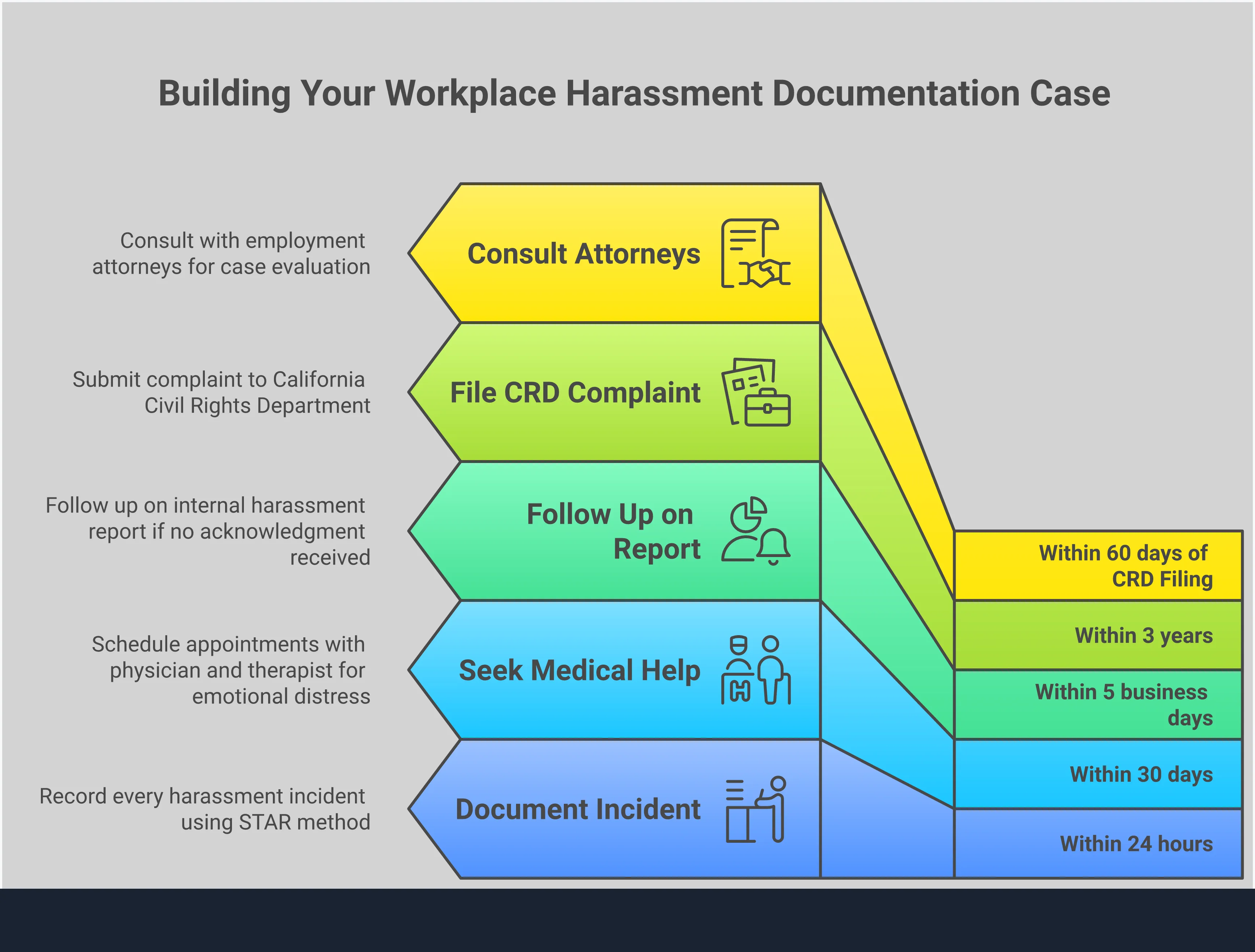
When you’re dealing with the emotional fallout of workplace harassment, figuring out what to do next can feel like an impossible task. The path forward might seem unclear, but taking a few specific, deliberate actions can protect your rights and help you regain a sense of control. It’s about creating a clear record of what happened and formally reporting the behavior so it can be addressed. These steps are designed to build a strong foundation for any action you decide to take, whether it’s an internal complaint or a legal claim. It’s easy to feel pressured to stay silent or to downplay what’s happening, but your well-being and professional safety are paramount. By methodically documenting and reporting the harassment, you are not only standing up for yourself but also creating a paper trail that can be crucial later on. This isn’t about starting a fight; it’s about ensuring your employer is aware of the situation and takes the legally required steps to stop it. Remember, you don’t have to go through this alone. Each step you take is a move toward holding the responsible parties accountable and starting your journey toward a safer work environment.
Keep a Detailed Record
Your personal record is one of the most powerful tools you have. Start documenting every single incident of harassment. In a private journal or a secure document on a personal device, write down the date, time, and location of each event. Describe exactly what was said or done, and be as specific as possible. If anyone else was present, note their names as witnesses. This detailed log creates a timeline that can be essential for establishing a pattern of behavior, which is often a key part of proving a hostile work environment claim. Save any related emails, text messages, or other communications in a safe, personal folder that you can access outside of your work accounts.
Report the Harassment Internally
Most companies have a formal process for handling harassment complaints. Your employee handbook should outline the specific steps you need to take, including who to report the incidents to, which is usually a manager or someone in the Human Resources department. Following this internal procedure is often a necessary first step before you can pursue legal action. When you make your report, do it in writing, such as through an email. This creates a time-stamped record that proves you notified your employer of the sexual harassment or other misconduct and gave them an opportunity to address it. Keep a copy of your report and any responses you receive.
File an Official Claim
If your employer fails to resolve the situation, your next step is to file a formal complaint with a government agency. In California, you can file a claim with the Civil Rights Department (CRD), which enforces the Fair Employment and Housing Act (FEHA). This act protects employees from harassment and discrimination based on protected characteristics like race, gender, or disability. Filing an official claim is a critical step that preserves your right to sue later. Under FEHA, you may be able to recover damages for the emotional distress the harassment has caused, making this a vital part of seeking justice for the trauma you’ve endured.
Talk to an Employment Lawyer
You don’t have to figure this all out on your own. Speaking with an experienced employment lawyer can provide you with clarity and direction. A lawyer will help you understand your legal rights, evaluate the strength of your case, and explain your options. They can guide you through the process of filing an official claim, ensure you meet all the strict legal deadlines, and help you gather the evidence needed to build a strong case. Getting professional legal advice early on is the best way to protect your interests and make informed decisions about how to proceed with your employment law claim.
How to Build a Strong Emotional Trauma Case
When you’re dealing with the emotional fallout of workplace harassment, the idea of building a legal case can feel overwhelming. But it’s really about telling your story in a way the legal system can understand. This means gathering clear, compelling evidence that connects the harassment to the emotional distress you’ve experienced. A strong case is built on a foundation of solid documentation. It’s not just about what happened, but also about showing the real-world impact it had on your mental and emotional well-being.
Think of it like putting together a puzzle. Each piece of evidence, whether it’s a doctor’s note, a personal journal entry, or a statement from a coworker, helps create a complete picture for a judge or jury. This documentation serves two key purposes: it validates your personal experience and provides the concrete proof needed to hold your employer accountable. Without this evidence, a case often comes down to one person’s word against another’s, which can be difficult to win. By taking a methodical approach to collecting proof, you shift the balance and build a much stronger foundation for your claim. The following steps will guide you through gathering the essential pieces you need to make your case as strong as possible.
Gather Medical and Therapy Records
Seeking professional help is the most important step for your own well-being, but it also creates a crucial record for your case. Talk to your doctor, a therapist, or a counselor about what you’re going through. Their notes, diagnoses, and treatment plans become official documentation of your emotional distress. This evidence provides a professional assessment of your condition, making it much harder for your employer to dismiss your claims. To win a claim for emotional distress related to workplace discrimination, you need to show you have tangible evidence of the suffering you endured. These records from a medical professional are some of the most powerful tools you have.
Collect Witness Statements
Having others corroborate your story adds a layer of credibility that is hard to ignore. Think about who has seen the effects of the harassment on you. This could be a trusted coworker who witnessed the behavior or a friend or family member who can speak to the changes in your mood, sleep patterns, or overall happiness. Personal statements from others can help paint a fuller picture of your emotional state. They can confirm that the changes you experienced started after the harassment began, strengthening the link between the two. This is especially vital in cases involving a hostile work environment, where the pervasive nature of the conduct is key.
Use Your Personal Notes and Performance Reviews
Your own records provide a real-time account of events and their impact. Keep a detailed journal of the harassment incidents, including dates, times, locations, and what was said or done. Also, note how these events made you feel. This log creates a timeline that can reveal patterns of behavior. You can also use past performance reviews. If your reviews were positive before the harassment started and then declined, it helps demonstrate a direct link between the toxic environment and your ability to perform your job. This kind of workplace trauma can deeply affect your career, and this documentation shows that impact clearly.
Don’t Let Misconceptions Hold You Back
Myths about harassment can make you second-guess your own experience. It’s important to understand that harassment isn’t always about “bad people doing bad things.” It’s often more subtle and complex, and it doesn’t have to be aggressive or loud to be illegal. Recognizing that your situation fits the legal definition of harassment, even if it doesn’t look like it does in movies, can give you the confidence to move forward. Don’t let anyone, including yourself, downplay what happened. If you feel that something is wrong, it’s worth exploring your options with a legal professional who understands the nuances of employment law.
Common Hurdles in a Harassment Case (and How to Prepare)
Taking legal action can feel intimidating, and it’s true that the process has its challenges. But knowing what to expect is the best way to prepare. When you understand the common obstacles in a harassment case, you can build a stronger claim and face the process with more confidence. Let’s walk through a few key hurdles and how you can get ready for them.
Proving the Link Between Harassment and Trauma
It’s not enough to show that harassment occurred; you also need to demonstrate that it directly caused your emotional suffering. Under California’s Fair Employment and Housing Act (FEHA), you must connect the employer’s illegal actions to the emotional distress you’ve experienced. This means your documentation is critical. Medical records, notes from therapy sessions, and personal journals detailing your feelings and symptoms all serve as powerful evidence. This proof helps establish a clear line between the hostile work environment and the harm it caused you.
Facing Retaliation and Financial Worries
One of the biggest fears people have is that they’ll be punished for speaking up. It’s a valid concern, but the law is on your side. Retaliation, which can include being demoted, having your pay cut, or being passed over for a promotion, is illegal. If you experience any negative changes at work after reporting harassment, document them immediately. An experienced attorney can help protect you from workplace retaliation. The legal process can also be long and create financial strain, so it’s important to have a clear understanding of the potential costs and timeline from the start.
Understanding Legal Timelines
The legal system runs on strict deadlines, and missing one can jeopardize your entire case. In California, you generally have a limited time to file a claim with a government agency like the Department of Fair Employment and Housing (DFEH), now called the Civil Rights Department (CRD). Typically, you must file your complaint within a specific window after the last act of harassment. Because these timelines can be complex, it’s wise to consult with an employment lawyer as soon as possible. They can ensure all your paperwork is filed correctly and on time, so you don’t lose your right to seek justice.
Where to Find Support in Alameda County
Taking legal action is a powerful step, but it’s just one piece of the puzzle. Healing from workplace harassment and trauma requires a strong support system. Your well-being is the top priority, and thankfully, there are many resources in Alameda County and beyond dedicated to helping you process what you’ve been through and find your footing again. Remember, you don’t have to go through this alone. Reaching out for help is a sign of strength, and it’s a critical part of your recovery journey. Below are a few places you can turn to for professional, confidential, and compassionate support.
Mental Health and Counseling Resources
The emotional and psychological weight of a toxic work environment can be immense. If you’re struggling to cope, speaking with a qualified mental health professional can make a significant difference. Therapy provides a safe space to process the trauma, develop healthy coping strategies, and work toward healing. A therapist can help you understand your emotional responses and give you the tools to manage anxiety, depression, or PTSD symptoms that may arise from the harassment. The Alameda County Behavioral Health department is an excellent starting point for finding local counselors, therapists, and support services tailored to your needs.
Your Company’s Employee Assistance Program (EAP)
Many companies offer an Employee Assistance Program (EAP) as a confidential resource for employees. An EAP can connect you with short-term counseling, referrals, and other support services at no cost to you. It’s important to know that these programs are typically run by third-party providers, so your conversations are kept private and separate from your employer and HR department. Check your employee handbook or company intranet for information on how to access your EAP. It can be a valuable first step for getting immediate, professional guidance on how to handle the stress you’re experiencing.
Legal Aid and Community Support Groups
Connecting with others who have similar experiences can be incredibly validating. Look for local or online support groups for survivors of workplace harassment. Sharing your story in a safe environment can reduce feelings of isolation. At the same time, understanding your legal options is another form of support. California law recognizes the severe impact of a hostile work environment and allows you to seek damages for emotional distress. Organizations like the Legal Aid Society of Alameda County can also offer guidance, and the California Civil Rights Department is the state agency that investigates these claims.
Paths to Healing and Recovery
Healing is a personal journey, and it looks different for everyone. Be patient and compassionate with yourself as you move forward. Recovery often involves rebuilding your sense of safety and confidence, which may have been damaged by the harassment. This can mean setting firm boundaries in future work environments, practicing self-care, and rediscovering activities that bring you joy. Taking steps to protect your rights is also a key part of this process. By holding employers accountable, you not only seek justice for yourself but also contribute to creating safer, more respectful workplaces for everyone.
Frequently Asked Questions
What’s the difference between a tough boss and illegal harassment? This is a common and important question. A demanding boss might give critical feedback, have high expectations, or manage projects closely. While this can be stressful, it’s generally not illegal. The situation crosses the line into harassment when the negative treatment is motivated by a protected part of your identity, such as your race, gender, age, or disability. Harassment is about unwelcome conduct that creates an intimidating or offensive environment because of who you are, not about your job performance.
Is one offensive comment enough to file a harassment claim? It depends on how severe the comment is. For conduct to be illegal, it must be either severe or pervasive. A single, extremely offensive act, like a physical threat or the use of a racial slur, could be severe enough to qualify on its own. More often, harassment is a pattern of less severe incidents that add up over time. These repeated offensive jokes, comments, or actions become pervasive, creating a hostile work environment that disrupts your ability to do your job.
Do I have to report the harassment to my company before I can take legal action? Yes, reporting the behavior internally is a critical first step. Your employer has a legal duty to prevent and correct harassment, but they can’t fix a problem they don’t know about. By reporting the issue to HR or your manager in writing, you give the company a chance to investigate and resolve the situation. This also creates a formal record that you took appropriate steps, which is essential if you decide to pursue a legal claim later.
How can I prove I’m suffering from emotional distress if I haven’t seen a therapist? While records from a doctor or therapist are powerful evidence, they aren’t the only way to show emotional harm. Your own detailed journal, where you document how the harassment affects your daily life, sleep, and mental state, can be very compelling. Statements from friends, family, or coworkers who can speak to the changes they’ve seen in you since the harassment began also serve as important proof. The goal is to show a clear connection between the workplace conduct and the negative impact on your well-being.
What if I’m afraid my boss will fire me for reporting the harassment? It is illegal for your employer to punish you in any way for reporting harassment in good faith. This type of punishment is called retaliation, and it can include being fired, demoted, denied a promotion, or given undesirable assignments. California law provides strong protections against retaliation to ensure employees feel safe speaking up about illegal conduct. If you experience any negative action after making a report, you should document it immediately, as it could form the basis of a separate legal claim.
Related Articles
- Healing Trauma from Harassment: Alameda County Guide
- How Much Can I Sue for a Hostile Work Environment?
- How to Stop Mental Harassment at Workplace
Think you were wrongfully terminated?
Get a free, confidential case evaluation from our experienced employment law attorneys.
Request Your Free Consultation