
Taking action against workplace harassment is like building a case, piece by piece. Your most important evidence includes detailed notes, saved emails, and the names of any witnesses. But the foundation of your entire case rests on one crucial element: time. If you wait too long, the legal ground beneath you can disappear completely. The question of how long to file harassment claim for San Diego County employees is the first and most important one to answer. Missing this deadline can unfortunately mean your case is over before it even begins. This guide will walk you through the specific timelines you need to know, ensuring you build your case on a solid, legally sound foundation from day one.
Key Takeaways
- Know your deadlines to protect your rights: You have a limited time to take legal action, typically one year in California to file a claim with the Civil Rights Department (CRD). Missing this window can unfortunately prevent you from seeking justice.
- Document everything in detail: Keep a private log of each harassing event with dates, times, specific actions or words, and any witnesses. This personal record serves as crucial evidence to establish a pattern of illegal behavior.
- Report internally, but file externally to be safe: While you should report harassment to HR, this does not pause the legal clock. You must still file a formal complaint with a government agency to officially protect your legal options.
What Is a Workplace Harassment Claim?
A workplace harassment claim is a formal complaint filed when you experience unwelcome conduct at work because of a protected characteristic, like your race, gender, religion, age, or disability. This isn’t just about dealing with a difficult boss or an annoying coworker. For behavior to be considered illegal harassment under California employment law, it must be both unwelcome and directly tied to a part of your identity that is protected by law. The conduct can come from anyone in your workplace, including supervisors, colleagues, or even clients.
If you believe your rights have been violated, our Workplace Discrimination Lawyer team can help you understand your options and pursue your claim.
Related articles: Pregnancy Discrimination Lawyer: Your Legal Rights | How to Sue for Workplace Harassment: A Step-by-Step Guide | How to File a Harassment Complaint: Sacramento County
For a situation to legally qualify as harassment, the behavior must be “severe or pervasive.” This is a key legal standard. “Severe” conduct might be a single, egregious act, such as a physical threat or an unwanted sexual advance. “Pervasive” conduct refers to a pattern of offensive behavior that happens over time. Think of repeated inappropriate jokes, insults, or comments that, when taken together, create an intimidating or offensive atmosphere. The main point is that the behavior is so disruptive it interferes with your ability to do your job, effectively creating a hostile work environment.
Harassment can take many forms. It might look like offensive jokes, slurs, or name-calling. It can also involve physical actions like unwanted touching or assault, as well as threats, intimidation, or ridicule. Displaying offensive objects or pictures also falls under this category. In cases of sexual harassment, it could involve repeated requests for dates or demands for sexual favors. It’s important to understand that a simple, isolated comment that isn’t very serious may not be enough to file a claim. However, if you feel that ongoing behavior is making your work life unbearable, it’s worth exploring your legal options.
What Kind of Harassment Is Illegal in California?
It’s a common misconception that any mean-spirited or unprofessional behavior at work qualifies as illegal harassment. While no one should have to put up with a rude boss or unpleasant coworkers, California law has specific definitions for what constitutes illegal workplace harassment. For behavior to be against the law, it must be unwelcome and based on a protected characteristic. This means the mistreatment is happening because of your race, gender, age, or another protected part of your identity. Let’s break down the most common forms this takes.
Sexual Harassment
Sexual harassment involves unwelcome conduct of a sexual nature. This isn’t limited to physical touching or direct propositions. It can include a wide range of behaviors, such as inappropriate jokes, offensive comments about someone’s body, sharing sexually explicit images, or making repeated and unwanted advances. The conduct is illegal when it’s so frequent or severe that it creates a hostile or offensive work environment or results in an adverse employment decision, like being fired or demoted for refusing an advance. It’s about the unwelcome nature of the behavior and the impact it has on your ability to do your job.
Bullying and Hostile Work Environments
Bullying crosses the line into illegal harassment when it creates a hostile work environment. This legal standard means the conduct is severe or pervasive enough to make a reasonable person feel that the workplace is intimidating, abusive, or hostile. A single offhand comment probably won’t qualify. However, a persistent pattern of insults, threats, ridicule, or sabotage that is tied to a protected status can absolutely create an illegal hostile environment. The focus is on how the ongoing behavior changes your work atmosphere and makes it difficult to perform your duties.
Harassment Based on a Protected Status
This is the foundation of most harassment claims in California. For harassment to be illegal, it must be motivated by your membership in a protected class. State and federal laws protect employees from discrimination and harassment based on characteristics like race, color, religion, national origin, age (if you’re over 40), disability, medical condition, marital status, sex, gender identity, and sexual orientation. So, if a manager constantly criticizes you for reasons tied to your race or a coworker makes fun of your accent, that behavior is likely illegal because it targets a protected part of who you are.
How Long Do You Have to File a Harassment Claim?
When you’re dealing with workplace harassment, the last thing you want to think about is a legal countdown. However, there are strict deadlines, known as statutes of limitations, for filing a claim. Missing these deadlines can unfortunately mean losing your right to seek justice. The exact timeframe depends on which government agency you file your complaint with: the state-level agency or the federal one.
In California, your claim is typically handled by the Department of Fair Employment and Housing (DFEH), which is now part of the Civil Rights Department (CRD). At the federal level, the Equal Employment Opportunity Commission (EEOC) handles these cases. While their areas of protection often overlap, their deadlines differ. Understanding these timelines is one of the most critical first steps you can take to protect your rights. It’s always best to act quickly to ensure you have every available option to address the hostile work environment you’ve endured.
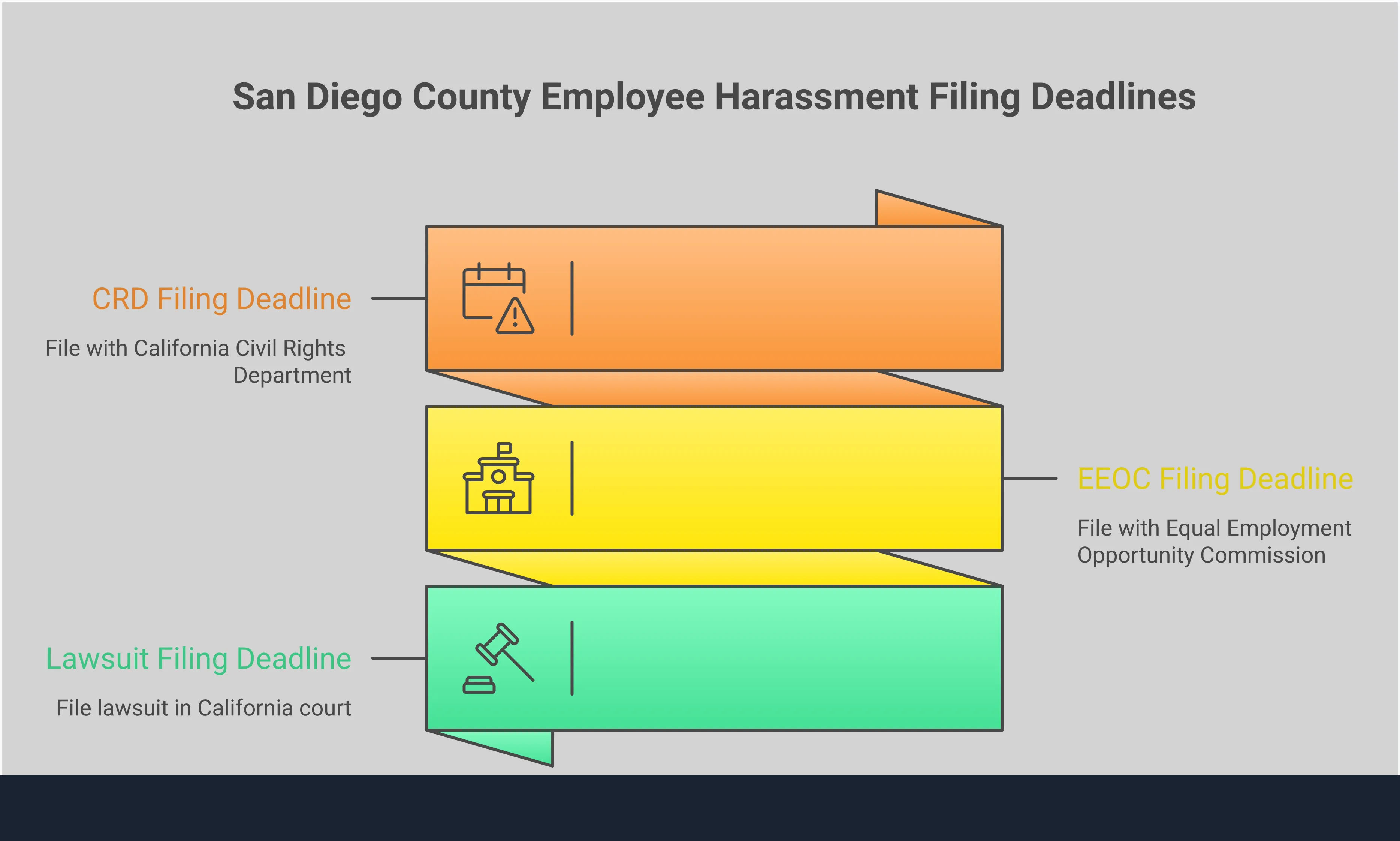
The California DFEH Deadline: One Year
In California, you generally have one year to file a harassment claim with the Department of Fair Employment and Housing (DFEH). This one-year clock starts ticking from the date of the last incident of harassment you experienced. This is an important detail, especially if the harassment was ongoing over a period of time. The DFEH is the state agency responsible for enforcing California’s civil rights laws, which offer some of the strongest employee protections in the country. Filing with the DFEH is the first formal step toward holding your employer accountable under state law.
The Federal EEOC Deadline: 180-300 Days
If you choose to file your claim under federal law, you’ll go through the Equal Employment Opportunity Commission (EEOC). The standard deadline for filing with the EEOC is 180 days from the last harassing act. However, this deadline is extended to 300 days in states like California that have their own laws prohibiting employment discrimination and a local agency to investigate them (the DFEH). Because California has these protections, you benefit from the longer 300-day window to file your federal claim.
Filing in Court After Getting a “Right to Sue” Letter
Filing a claim with the DFEH or EEOC is an administrative step, not a lawsuit. Before you can sue your employer in court, you must first receive a “right to sue” letter from the agency you filed with. Once you get this letter, a new clock starts. You have one additional year from the date on the letter to file a lawsuit in a California court. This is a firm deadline. Even if you filed your initial agency complaint on time, failing to file a lawsuit within one year of receiving your right-to-sue letter can result in your case being dismissed. This makes it a critical step in cases of wrongful termination or harassment.
What Should You Do After Experiencing Harassment?
Facing harassment at work can leave you feeling powerless, isolated, and unsure of what to do next. It’s a deeply stressful experience, but you don’t have to go through it alone. Taking clear, deliberate steps is the best way to protect your rights, hold the responsible parties accountable, and start regaining control of the situation. Think of it as building a case, piece by piece, to ensure your voice is heard. From documenting what happened and reporting it through the proper channels to seeking professional legal advice, each action you take strengthens your position. This guide breaks down those crucial steps into a straightforward plan, helping you move forward with confidence.
Document Every Incident
Your memory is powerful, but a written record is undeniable. Start documenting every instance of harassment as soon as it happens. Keep a private log in a notebook or a personal digital file, not on a work computer. For each entry, include the date, time, and location. Write down exactly what was said or done, who was involved, and if anyone else was present. Capturing these details while they are fresh in your mind provides the specific evidence needed to establish a pattern of behavior, which is crucial for proving a hostile work environment. This detailed timeline will be one of your most valuable tools.
Report the Harassment Internally
Most companies have a formal process for handling harassment complaints, usually outlined in the employee handbook. Your first official step should be to report the behavior according to that policy, which typically means contacting your manager or the Human Resources (HR) department. It’s best to put your complaint in writing, like in an email, so you have a timestamped record. If you aren’t comfortable speaking with your direct supervisor, or if they are the one engaging in the harassment, go directly to HR. This step is important because it gives your employer a chance to address the issue. If they fail to take meaningful action, your report shows you did your part.
File a Claim with the Right Agency
Before you can file a lawsuit against your employer in California, you must first file a formal complaint with a government agency. You have one year from the date of the last harassing act to file a claim with the California Civil Rights Department (CRD), formerly known as the DFEH. This agency will investigate your claim. After the investigation, or if you choose to proceed directly to court, you can request a “right to sue” letter. Once you receive this letter, you have one year to file a lawsuit. These deadlines are strict, so it’s essential to act promptly to preserve your legal rights.
Talk to a Lawyer
You don’t have to figure this all out on your own. Consulting with an experienced employment lawyer can make a significant difference in the outcome of your case. An attorney can help you understand your rights, ensure your claim is filed correctly and on time, and handle all communications with your employer and government agencies. They can also advise you on the strength of your case and help you gather the necessary evidence to build a compelling claim. Seeking legal guidance early in the process provides you with a dedicated advocate who can protect you from retaliation and fight for the justice you deserve.
How Do the DFEH and EEOC Processes Differ?
When you decide to file a formal complaint for workplace harassment, you’ll likely interact with one of two government agencies: California’s Department of Fair Employment and Housing (DFEH) or the federal Equal Employment Opportunity Commission (EEOC). Both agencies are tasked with enforcing anti-harassment laws, but they operate on different timelines and have slightly different procedures. Understanding these differences is key to protecting your rights and building a strong case. Choosing the right agency and knowing the deadlines can make all the difference in whether your claim moves forward.
The DFEH Filing Process
The DFEH is California’s state agency responsible for enforcing civil rights laws, including those that protect you from a hostile work environment. For most harassment claims, you have one year from the date of the last incident to file a complaint with the DFEH. This deadline is crucial. If you wait longer than a year, you may lose your right to file a claim with the agency. The DFEH process involves submitting an intake form, participating in an interview, and potentially engaging in mediation with your employer. The agency will investigate your claim to determine if a violation of state law occurred.
The EEOC Filing Process
The EEOC is the federal agency that handles claims of workplace discrimination and harassment. The filing deadline for the EEOC is shorter than the DFEH’s. Generally, you must file your claim within 180 calendar days (about six months) from the day the harassment took place. This federal timeline underscores the importance of acting quickly. Because California has its own anti-discrimination laws and agency (the DFEH), this deadline can be extended to 300 days. However, relying on this extension can be risky. It’s always best to act as soon as possible to ensure you don’t miss any critical deadlines for your discrimination claim.
The Benefits of Cross-Filing Your Claim
You don’t have to choose between the DFEH and the EEOC. Thanks to a work-sharing agreement between the agencies, you can “cross-file” your claim. This means that when you file with one agency, you can indicate that you want your claim filed with the other one at the same time. This is a smart strategy that helps protect your rights under both state and federal law. After an agency investigates, you can request a “right to sue” letter. Once you receive this letter, a new clock starts: you typically have one year to file a lawsuit in a California court. This gives you another path to seek justice if the agency’s process doesn’t resolve your issue.
What Happens If You Miss the Filing Deadline?
In employment law, deadlines aren’t just suggestions; they are strict rules with serious consequences. If you’ve experienced workplace harassment, understanding what happens when you miss a filing deadline is critical. It can be the difference between getting justice and having your case closed before it even begins. These time limits, known as statutes of limitations, are legally binding and must be taken seriously from the moment the harassment occurs. Waiting too long can unfortunately jeopardize your ability to hold your employer accountable.
Your Case Will Likely Be Dismissed
Think of the statute of limitations as a locked door. Once the deadline passes, that door closes, and in most cases, it cannot be reopened. Even if you have a strong case with clear evidence of a hostile work environment, filing late will almost certainly lead to a dismissal. The government agencies and courts simply lose their jurisdiction, or legal authority, to hear your case. It’s a harsh reality, but it’s designed to ensure that legal matters are handled in a timely manner. This is why acting quickly is one of the most important steps you can take to protect your rights.
You May Lose Your Right to Compensation
Beyond having your case dismissed, missing the deadline means you forfeit your right to seek any form of legal remedy or compensation. This includes money for lost wages if you were fired or forced to quit, damages for emotional distress, and any potential punitive damages against your employer. Essentially, your legal right to hold your employer accountable for the harassment disappears. Protecting your ability to pursue justice and get the compensation you deserve is directly tied to meeting these critical filing deadlines. It’s your opportunity to reclaim what was wrongfully taken from you through the proper employment law channels.
Exceptions: The “Delayed Discovery” Rule
While the deadlines are firm, California law does recognize a few very specific exceptions. One is the “delayed discovery” rule. This may apply if you couldn’t have reasonably known about the harassment or its discriminatory nature until after the deadline had already passed. For example, you might discover an email that reveals an illegal motive for certain actions long after they occurred. However, this is not an automatic extension. You would need to provide convincing proof that you were unaware of the issue and acted as soon as you found out. Relying on this exception is risky, so it’s best to discuss your situation with an experienced attorney to see if it could apply to you.
Common Myths That Can Jeopardize Your Claim
When you’re dealing with workplace harassment, it’s easy to get overwhelmed by conflicting information. Unfortunately, common misunderstandings about the legal process can cause you to miss critical deadlines and lose your right to take action. Let’s clear up a few dangerous myths so you can protect your rights with confidence.
Myth: Reporting to HR Pauses the Legal Clock
Many people assume that once they file a complaint with their company’s HR department, the legal clock for filing a formal claim stops ticking. This is a critical mistake. While reporting harassment internally is an important step, it does not pause or extend the strict deadlines for filing a claim with a government agency. The U.S. Equal Employment Opportunity Commission (EEOC) is very clear that using an internal grievance process does not change the official time limits. You must still file with the appropriate agency within the legal window, regardless of any ongoing internal investigation.
Myth: You Can Wait for Your Employer to Fix It
It’s natural to hope your employer will do the right thing and resolve the situation after you report it. However, waiting indefinitely for them to act can be risky. Some employers may drag their feet, conduct an inadequate investigation, or fail to take meaningful action. While you wait, the deadline to file your legal claim continues to approach. It’s understandable to fear that escalating the issue could lead to negative consequences, but you are protected from employer retaliation. Taking proactive steps to understand your legal options ensures you don’t accidentally forfeit your rights by waiting too long.
Myth: The “Right to Sue” Letter Isn’t Urgent
After a government agency like the DFEH or EEOC investigates your claim, they may issue a “Right to Sue” letter. This document doesn’t mean you have to file a lawsuit, but it gives you the option to. Some people set this letter aside, thinking it’s just another piece of paperwork. In reality, it’s a starting pistol for another critical deadline. In California, once you receive this letter, you generally have just one year to file a lawsuit in court. This is your final window to pursue your claim, so treating it with urgency is essential for seeking justice.
Where Can You Find Support?
Facing workplace harassment can feel incredibly isolating, but you don’t have to go through it alone. Several resources are available to provide guidance, protect your rights, and help you take the next step. Knowing where to turn can make all the difference in holding your employer accountable and finding a path forward. It’s a sign of strength to seek help, and there are dedicated systems in place to make sure your voice is heard. From government agencies that enforce the law to legal professionals who can advocate for you, here’s a look at the support systems you can lean on.
Government Agency Resources
If you’ve experienced harassment at work, you can file a formal complaint with state and federal agencies. In California, the Civil Rights Department (CRD) is the primary state agency that handles these claims. At the federal level, there’s the Equal Employment Opportunity Commission (EEOC). These government bodies are set up to investigate workplace discrimination and harassment and enforce the law. Filing a complaint with them is a critical step in the legal process and is often required before you can file a lawsuit. They provide a structured way to have your case officially reviewed and addressed, ensuring your claim is documented properly from the start.
Employment Law Attorneys
While government agencies are a great resource, the legal process can be complicated. Working with an experienced employment law attorney can be a game-changer. A lawyer acts as your personal advocate, helping you understand your rights and build the strongest possible case. They can manage all the strict deadlines, gather evidence, and handle communications with your employer and the government agencies. Many employment lawyers, including our team at Bluestone Law, work on a contingency fee basis. This means you don’t pay any legal fees unless you win your case, which makes getting expert legal help much more accessible.
Local San Diego Support Organizations
Beyond legal and government channels, local community organizations can offer valuable support. While this guide focuses on San Diego, similar resources exist throughout California. These groups can sometimes provide counseling, support groups, and additional information to help you cope with the emotional stress of harassment. Remember, your company’s Human Resources (HR) department is also an internal resource. Your employee handbook should outline the official procedure for reporting misconduct. Following that internal process can be an important first step, but it doesn’t replace your right to seek external help or file a formal hostile work environment claim.
How to Protect Your Rights During the Process
Going through a workplace harassment claim can feel isolating and stressful, but you don’t have to handle it alone. Taking a few strategic steps can make a significant difference in the outcome of your case and help you feel more in control. Protecting your rights starts with being proactive from the moment the harassment occurs. By documenting everything, understanding your legal protections, and getting the right support, you can build a stronger foundation for your claim and ensure your voice is heard. These actions are your best defense and your clearest path forward.
Keep Detailed Records
Think of yourself as the lead investigator of your own case. The most powerful tool you have is a detailed record of every incident. As soon as you can, write down exactly what happened, including the date, time, and location. Note who was involved and if there were any witnesses. What was said or done? How did it make you feel? Capturing these details immediately helps create a clear and credible timeline that shows a pattern of behavior. Save any related emails, text messages, or performance reviews. This documentation is the evidence that will support your claim and is crucial for building a strong case.
Know Your Protections Against Retaliation
Many people hesitate to report harassment because they fear losing their job or facing other negative consequences. It’s important to know that the law is on your side. It is illegal for your employer to punish you for filing a complaint. This type of punishment is called retaliation, and it can include being fired, demoted, reassigned to a less desirable role, or receiving an unfair performance review. You have a legal right to speak up about harassment without fear of reprisal. If you believe you are being retaliated against for reporting an issue, that is a separate and serious violation that you should also document carefully.
Partner with an Experienced Lawyer
You don’t have to go through this process by yourself. The legal system can be complicated, and deadlines are strict. An experienced employment lawyer can be your strongest advocate, guiding you every step of the way. They can help you understand your rights, ensure your claim is filed correctly and on time, and handle communications with your employer and government agencies like the DFEH or EEOC. Having a professional in your corner not only strengthens your case but also lifts a significant weight off your shoulders. A good lawyer will help you explore all your options and work to secure the best possible outcome for your situation.
Related Articles
- How a CA Hostile Work Environment Lawyer Can Help You
- How to Document Sexual Harassment: A Guide for Sac Co Employees
- How to Sue for Workplace Harassment: 8 Steps
- File a Sexual Harassment Claim: A Step-by-Step Guide
- Sexual Harassment: A Guide to Your Rights & Options
Frequently Asked Questions
What’s the difference between a difficult boss and illegal harassment? This is a really common point of confusion. While dealing with a demanding or unpleasant manager is stressful, it isn’t always illegal. The key difference is the motivation behind the behavior. For conduct to be considered illegal harassment, it must be based on a protected part of your identity, such as your race, gender, religion, or disability. If your boss is tough on everyone equally, it’s likely just poor management. But if the mistreatment is targeted at you because of a protected characteristic and is severe or pervasive enough to create a hostile work environment, it crosses the line into illegal territory.
Do I have to report the harassment to HR before I can file a legal claim? While you are not legally required to report harassment to your company’s HR department before filing a claim with a government agency, it is often a very wise step to take. Reporting the issue internally gives your employer a formal opportunity to investigate and correct the problem. If they fail to take appropriate action, your report serves as powerful evidence that they were aware of the situation and did nothing. Putting your complaint in writing to HR creates a clear paper trail that can significantly strengthen your case later on.
What kind of evidence is most helpful for a harassment claim? Solid evidence is crucial for building a strong harassment claim. Your personal log detailing each incident with dates, times, and witnesses is the foundation. Beyond that, any written communication is incredibly valuable. Be sure to save any harassing emails, text messages, or instant messages. You should also keep copies of your performance reviews, especially if they suddenly become negative after you resisted or reported the harassment. This collection of evidence helps paint a clear picture of the pattern of behavior you’ve endured.
I’m worried about getting fired if I complain. Is that legal? It is absolutely illegal for your employer to fire you, demote you, or punish you in any way for reporting harassment. This is called retaliation, and it is a separate legal violation. The law protects your right to speak up about illegal conduct in the workplace without fear of losing your job. If you do face any negative action after making a complaint, be sure to document it carefully, as you may have an additional claim for retaliation against your employer.
How much does it cost to hire an employment lawyer for a harassment case? Many people hesitate to seek legal help because they are worried about the cost, but most employment lawyers handle harassment cases on a contingency fee basis. This means you don’t pay any attorney’s fees upfront. The lawyer’s payment comes from a percentage of the settlement or award you receive if you win your case. If you don’t win, you don’t owe any fees. This arrangement makes it possible for anyone to get expert legal representation, regardless of their financial situation.
Think you were wrongfully terminated?
Get a free, confidential case evaluation from our experienced employment law attorneys.
Request Your Free Consultation