
When you’re facing a hostile work environment, it can feel like you’ve lost all control. The most powerful tool you have is knowledge. Understanding the official procedures for addressing harassment can help you reclaim your sense of agency and take decisive action. This isn’t just about enduring a bad situation; it’s about knowing your rights and using the system designed to protect them. We’ve created this step-by-step guide to show you exactly how to file harassment complaint for Sacramento County employees. By learning the process, you can prepare a strong case, report the behavior with confidence, and start the journey toward a safer workplace.
Key Takeaways
- Build Your Case by Documenting Everything: To create a strong complaint, keep a detailed record of each incident. Note the date, time, location, what happened, who was involved, and any witnesses, as this log is your most important evidence.
- Use the System Designed to Protect You: Don’t stay silent. Report the harassment to your supervisor, HR, or the EEO office to start the official investigation process and formally put your employer on notice.
- Understand Your Right to a Retaliation-Free Process: The law protects you from being punished for making a complaint. If you need confidential support or legal advice, an employment attorney can help you understand your options and ensure your rights are defended.
Is It Harassment? What Sacramento County Employees Need to Know
Figuring out if what you’re experiencing at work is legally considered harassment can be confusing and emotionally draining. It’s not always as obvious as you might think. Harassment isn’t just about inappropriate comments; it’s about any unwelcome conduct that’s based on a protected characteristic, like your race, gender, or disability. When this behavior is severe or pervasive enough to create a work environment that a reasonable person would find intimidating, hostile, or abusive, it crosses the line into illegal territory.
Understanding the specific definitions and policies in place for Sacramento County employees is the first step toward recognizing the issue and taking action. The county has clear guidelines designed to protect you, and knowing them can give you the confidence to move forward. Let’s break down what constitutes harassment, what behaviors are unacceptable, and what your rights are under the county’s zero-tolerance policy.
Identify the types of harassment
Workplace harassment can take many forms, and it’s much broader than just sexual advances. It includes a wide range of behaviors like offensive jokes, slurs, name-calling, physical assaults or threats, intimidation, ridicule, and insults. It can also involve displaying offensive objects or pictures. The key is that this conduct is unwelcome and based on a protected characteristic, such as your race, religion, age, disability, gender identity, or sexual orientation. When these actions are severe or frequent, they can create a hostile work environment that interferes with your ability to do your job. It’s important to remember that harassment isn’t limited to your direct supervisor; it can come from a coworker, another manager, or even a non-employee like a client or customer.
Recognize unacceptable behaviors
According to Sacramento County, harassment is defined as “unwanted words, pictures, or actions based on a protected characteristic that makes it hard to do your job.” This is a crucial point—the behavior must be unwanted. If someone’s comments or actions make you feel uncomfortable and are related to a part of your identity that is legally protected, it may be harassment. This isn’t about someone just being a difficult boss or a rude coworker. The behavior is tied to illegal discrimination. For example, if a manager consistently makes derogatory comments about your age or a coworker sends offensive memes about your religion, those are unacceptable behaviors that could constitute harassment.
Understand your protected rights and the zero-tolerance policy
As a Sacramento County employee, you should know that the county has a “zero-tolerance” policy for harassment. This means they do not permit any harassing behavior based on protected characteristics, even if it only happens once. This policy is in place to protect you and ensure a safe workplace. Your rights are grounded in laws that prohibit things like race discrimination and other forms of prejudice. The zero-tolerance stance is a powerful tool, showing that the county takes these issues seriously. It signals that you should not have to endure any level of harassment and that you have the right to report it without fear of dismissal. This policy is your official backing to speak up when something is wrong.
Who to Talk To: Reporting Harassment in Sacramento County
When you’re experiencing harassment at work, figuring out who to tell can feel just as stressful as the situation itself. Knowing your options is the first step toward taking action and protecting yourself. Your company should have a clear process for handling these issues, and it usually starts with a few key people. If you’re dealing with a hostile work environment, it’s crucial to report the behavior to the right person as soon as you feel safe doing so. Let’s walk through the typical channels available to you.
Reporting to your direct supervisor or manager
For many, the most direct path is to speak with your immediate supervisor or manager. They are on the front lines and are often responsible for ensuring their team has a safe and productive work environment. When you report an incident to them, they should know the company’s protocol and be able to initiate the proper response. Prepare to give them a clear, factual account of what happened. However, if your supervisor is the one engaging in the harassing behavior, or if you don’t trust them to handle it properly, you should skip this step and go to the next person on this list.
Contacting the Human Resources department
The Human Resources (HR) department is a resource specifically designed to handle employee-related issues, including harassment complaints. Unlike your direct manager, HR professionals are trained in the legal and procedural aspects of these situations. You can approach them with confidence that your complaint will be handled according to official company policy and state law. They can explain the investigation process, outline your rights, and discuss potential next steps. If you’re unsure where to begin or feel uncomfortable speaking with your manager, HR is almost always the right place to start.
Reaching out to the Equal Employment Opportunity (EEO) Office
Some larger organizations, including county and government employers, have a dedicated Equal Employment Opportunity (EEO) Office. This office is even more specialized than HR and focuses exclusively on complaints of discrimination, harassment, and retaliation. The EEO officer’s role is to provide a neutral party to investigate claims and ensure the employer is complying with all anti-discrimination laws. If your workplace has an EEO office, it’s an excellent resource for getting support and ensuring your complaint is taken seriously and handled by an expert.
Using alternative channels when direct reporting isn’t an option
What if you’ve tried reporting internally and nothing has changed? Or what if you don’t feel safe reporting to anyone at your company? You still have options. You can file a complaint directly with an external government agency. In California, you can contact the Civil Rights Department (CRD), and at the federal level, there is the Equal Employment Opportunity Commission (EEOC). These agencies will investigate your claim on your behalf. At this stage, it can also be helpful to understand your full legal rights by speaking with an employment law attorney who can guide you through the process.
Gathering Your Information: How to Prepare Your Complaint
Before you formally file a complaint, taking the time to organize your thoughts and evidence can make a significant difference. A well-prepared complaint is clearer, more comprehensive, and easier for investigators to act on. Think of this as building the foundation for your case. By gathering all the necessary information beforehand, you present a stronger, more credible account of what you’ve experienced. This preparation helps ensure that no important details are forgotten and that your concerns are communicated effectively.
Document the essential details
Start by writing down everything you can remember about each incident. For every event, try to capture the “who, what, when, and where.” Who was involved? What exactly was said or done? When and where did it happen? No detail is too small. According to Sacramento County’s guidelines, harassment is defined as unfair treatment based on personal traits. Your detailed notes can help establish a pattern of a hostile work environment. Keep a dedicated notebook or a secure digital file to log these incidents as they occur so the information stays fresh and accurate.
Collect witness information and evidence
You don’t have to go through this alone. If anyone else saw or heard the harassing behavior, their account can support your complaint. Make a list of potential witnesses and what they observed. Also, gather any physical evidence you might have. This could include emails, text messages, screenshots, photos, or even notes left for you. The County is obligated to investigate all reports, and providing them with concrete evidence and a list of witnesses from the start can streamline the process. This documentation is also crucial if you ever face retaliation at work for speaking up.
Create a clear timeline of events
Organize the incidents you’ve documented into a chronological timeline. Start with the very first event and work your way to the most recent one, including the date and time for each entry. This timeline does more than just list events; it tells a story and shows the frequency and escalation of the behavior over time. Sacramento County encourages employees to report issues right away, and having a clear timeline demonstrates a consistent pattern of conduct that is affecting your work. This organized record is a powerful tool in any employment law matter.
Explain the impact and your desired outcome
It’s important to articulate how the harassment has affected you. Has it created stress that impacts your health? Has it made it difficult to focus on your job duties or collaborate with your team? Sacramento County defines harassment as behavior that makes it hard to do your job. Be specific about the professional and personal toll it has taken. Finally, think about what you want to see happen. A clear desired outcome—whether it’s for the behavior to stop, for a formal mediation, or for disciplinary action—gives the investigator a goal to work toward and shows you’ve thought through a resolution.
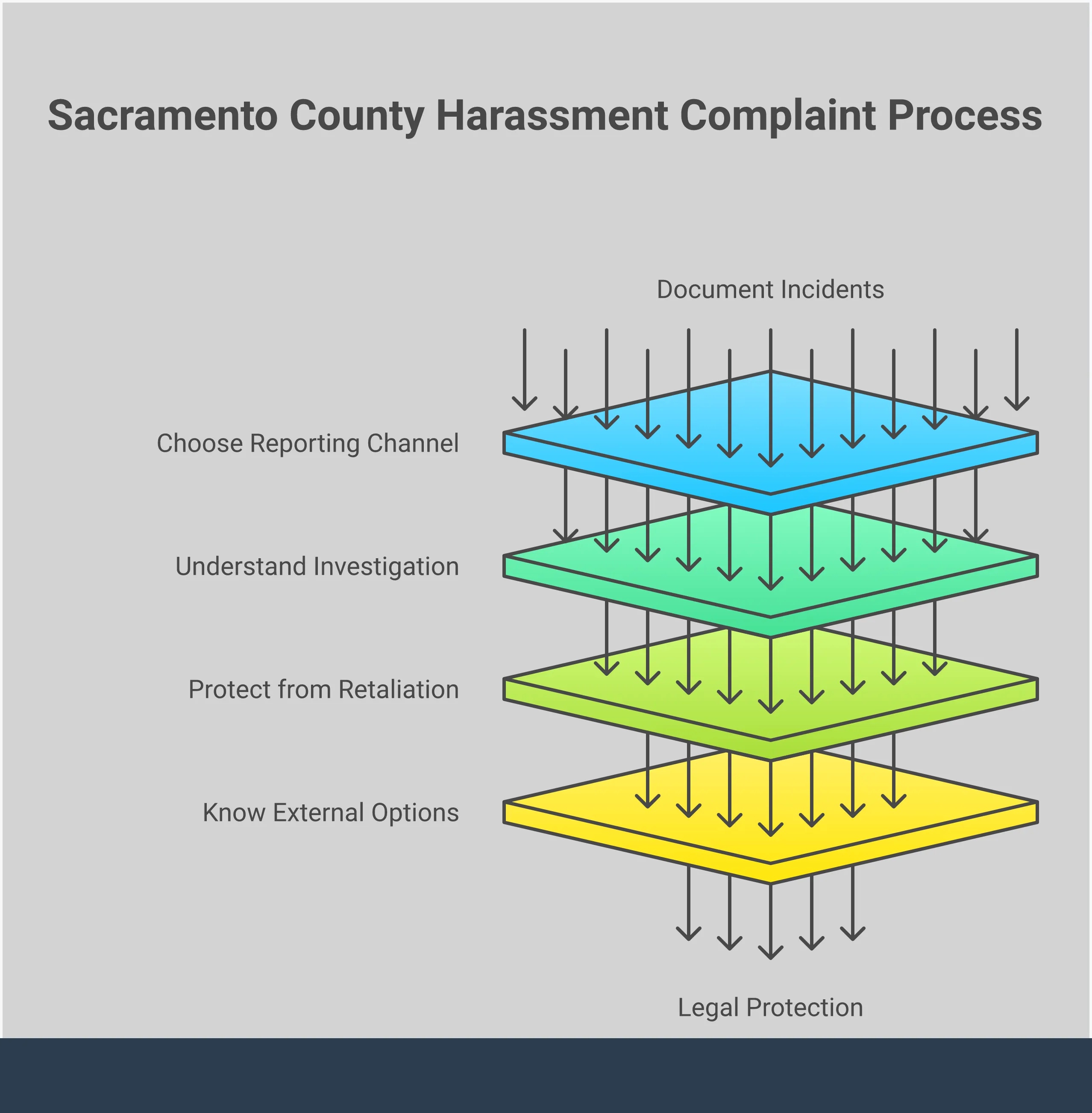
Filing Your Complaint: A Step-by-Step Guide
Once you’ve gathered your information, it’s time to take the next step. Filing an official complaint can feel intimidating, but Sacramento County has a structured process to help you report what happened. Knowing the steps can make the process feel more manageable and ensure your voice is heard. Remember, you have the right to a workplace free from harassment, and this process is in place to protect that right. Let’s walk through exactly how to submit your complaint so you can move forward with confidence.
Follow the official filing process
If you’ve experienced or witnessed harassment, you should report it as soon as possible. Timeliness can be a key factor in the investigation. Sacramento County allows you to report the incident to several different departments, giving you options based on your comfort level. You can file a complaint with your direct supervisor or manager, the Department of Personnel Services, Human Resources (HR), or the Equal Employment Opportunity (EEO) Office. Choosing who to report to is your decision, but the important thing is to officially document the hostile work environment you’re facing. Each of these departments is trained to handle these situations and initiate the formal process.
Choose your submission method: online vs. paper
Sacramento County provides a couple of ways to submit your formal complaint, so you can choose the one that works best for you. Many people find the Online Complaint Form to be the most direct method. You can fill it out and submit it electronically. If you’d rather have a physical copy, you can download and complete a paper complaint form. Once you’ve filled out the paper form, you can send it via email, mail, or fax, or even deliver it in person to the appropriate office. The county prefers written complaints because they create a clear record, but the most important thing is that you report the incident.
Know the procedure for verbal complaints
While a written complaint is preferred, it’s not required. If you’re not ready or able to write everything down, you can still make a verbal report to start an investigation. You don’t need to have every detail perfectly organized to speak up. The goal is to get the process started and put the county on notice about the harassment. You can always follow up with a written statement later. The key takeaway is that you shouldn’t let the idea of filling out a form stop you from reporting what happened. Your safety and well-being are the priority, and a verbal complaint is a valid first step.
Pay close attention to deadlines
When it comes to filing a harassment complaint, time is of the essence. There are strict deadlines, often called statutes of limitations, for filing claims. If you miss these deadlines, you could lose your right to take legal action. While the internal county process is your first stop, you also have the right to file a complaint with external agencies. You can contact the California Civil Rights Department (CRD) or the U.S. Equal Employment Opportunity Commission (EEOC). Because these deadlines can be complex, it’s often wise to consult with an attorney to understand your rights and timelines. An experienced employment lawyer can help you make sure all necessary steps are taken correctly and on time.
What to Expect After You File Your Complaint
Filing a harassment complaint is a significant step, and it’s natural to wonder what comes next. Once you’ve submitted your report, a formal process begins. Understanding this process can help you feel more prepared and in control. The county is required to take your complaint seriously and follow a structured procedure to address it. This involves a confidential investigation, specific protections for you as the complainant, and a clear policy against any form of retaliation. Knowing your rights and what to anticipate can make a difficult situation more manageable.
The investigation process and confidentiality
Once your complaint is filed, it doesn’t just sit in a queue. The EEO Office will promptly review your concerns, assign an investigator, and schedule a meeting to go over the issues in detail. This initial meeting is your opportunity to share your documented timeline and evidence. The entire process is designed to be confidential to protect everyone involved. The investigator will then speak with you, the person you filed the complaint against, and any witnesses you identified. Their goal is to gather all the facts to make an informed and impartial determination about what occurred.
Your rights and protections during the investigation
Throughout the investigation, your safety and rights are a priority. It’s important to know that Sacramento County is committed to creating a safe workplace and will investigate all credible claims. In fact, the county takes all reports so seriously that it will investigate even if you ask them not to, especially if the complaint involves a serious policy violation. This policy is in place to protect not just you, but all employees from a potentially hostile work environment. You have the right to be treated with respect and to have your complaint handled professionally and thoroughly from start to finish.
The county’s no-retaliation policy
One of the biggest fears people have when reporting harassment is the possibility of backlash. Fortunately, you are protected from retaliation under the law. It is illegal for an employer, manager, or coworker to punish you or treat you differently because you complained about discrimination or harassment. This includes actions like being fired, demoted, reassigned to a less desirable role, or being subjected to further harassment. If you experience any negative changes in your employment after filing a complaint, you should document them immediately and report them to the EEO investigator or Human Resources.
Potential outcomes and how you’ll be notified
After the investigation is complete, the EEO Office will determine if a county policy was violated. If the evidence supports your claim, the person responsible will face appropriate consequences, which could range from mandatory training to disciplinary action. You will be officially informed of the investigation’s findings—specifically, whether a County policy was broken. However, due to privacy regulations, you will not be told the specific details of any disciplinary actions taken against the other individual. The goal is to resolve the situation and ensure the harassing behavior stops, creating a safer environment for you and your colleagues.
Finding Support Through the Complaint Process
Filing a harassment complaint can feel isolating, but you don’t have to go through it alone. Several resources are available to provide guidance, confidential support, and legal advice as you move forward. Understanding these options can help you feel more in control and ensure you’re making the best decisions for your situation. Whether you need someone to talk to, want to explore external reporting options, or require legal representation, there are clear paths you can take to get the help you need. Taking the time to build a support system is a critical part of protecting yourself and your career.
Using the Employee Assistance Program (EAP)
Your Employee Assistance Program (EAP) is a great place to start. EAPs are confidential services offered by employers to help employees with personal and work-related problems. If you’re dealing with the stress and emotional toll of a hostile work environment, your EAP can connect you with counselors and other resources. This service is completely separate from HR and management, so you can speak freely about your experience without fear of it impacting your complaint. Think of it as a safe space to get guidance and support while you figure out your next steps. Check your employee handbook or benefits information to find out how to contact your EAP.
Exploring options with state and federal agencies
If you feel your internal complaint isn’t being handled properly, or if you prefer to report it externally, you have options beyond your employer. According to Sacramento County, you can file a complaint with the California Civil Rights Department (CRD) or the U.S. Equal Employment Opportunity Commission (EEOC). These government agencies are responsible for enforcing civil rights laws against workplace discrimination and harassment. They will investigate your claim independently of your employer. Filing with the EEOC is a formal step that can provide a powerful layer of protection and accountability, especially in complex situations.
Knowing when to seek legal representation
While HR and government agencies have their roles, an employment attorney works directly for you. It can be difficult to know if the behavior you’re experiencing qualifies as legally recognized harassment or which laws offer the strongest protection. An experienced lawyer can help you understand the nuances of your case, including which laws you should file a claim under and what potential outcomes to expect. Consulting with an attorney can clear up common misconceptions about harassment claims and ensure your rights are fully protected throughout the process. This step is especially important if you’re concerned about the complexity of your situation or the potential for retaliation.
Planning your next steps if the issue isn’t resolved
Once you file a complaint, your employer has a duty to investigate. Sacramento County policy states that all reports are taken seriously and will be investigated to protect all employees, even if you change your mind. However, you may not agree with the outcome of the investigation. If you feel the issue wasn’t resolved or if you experience negative consequences for reporting, it’s crucial to have a plan. This is another point where seeking legal advice is wise. An attorney can help you assess the investigation’s findings and determine if you have grounds for further action, such as filing a lawsuit for unresolved harassment or workplace retaliation.
Related Articles
- Sexual Harassment: A Guide to Your Rights & Options
- What Is Workplace Sexual Harassment? A Clear Guide
- File a Sexual Harassment Claim: A Step-by-Step Guide
- How to Stop Mental Harassment at Workplace
Frequently Asked Questions
What’s the difference between a manager who is just difficult and one who is legally harassing me? This is a common and important question. A difficult boss might be demanding, micromanage, or have poor communication skills, which can certainly make work unpleasant. However, for behavior to be considered illegal harassment, it must be unwelcome conduct that is based on a protected characteristic, such as your race, gender, age, or disability. The behavior also needs to be severe or pervasive enough to create a work environment that a reasonable person would find hostile or abusive.
I’m worried I’ll be fired or treated worse if I report harassment. What can I do? This is a completely valid fear, but you should know that laws are in place to protect you. Sacramento County has a strict no-retaliation policy, which means it is illegal for your employer to punish you in any way for filing a good-faith complaint. If you are fired, demoted, or face any other negative action after reporting harassment, that could be a separate legal claim for retaliation. Documenting everything is key, both the initial harassment and any subsequent negative treatment.
Do I have to tell my direct supervisor first, especially if they are the one harassing me? No, you do not have to report harassment to the person who is harassing you. Sacramento County provides multiple channels for reporting precisely for this reason. You can go directly to the Human Resources department, the Department of Personnel Services, or the Equal Employment Opportunity (EEO) Office. Your safety and comfort are the priority, so you should choose the reporting option that feels most appropriate for your situation.
What if I don’t have emails or texts as proof? Is my word enough? While physical evidence like emails or photos can be very helpful, it is not required to file a complaint. Many harassment situations happen verbally and without other witnesses. Your detailed, consistent account of what happened is a powerful form of evidence. This is why it’s so important to document every incident with dates, times, locations, what was said or done, and who was present. Your testimony is valuable, and investigators are trained to assess credibility and gather information from all parties involved.
When is the right time to talk to an employment lawyer? You can speak with an employment lawyer at any point in the process. Some people choose to consult an attorney before they even file an internal complaint to better understand their rights and options. Others reach out after filing a complaint if they feel the investigation is not being handled properly or if they experience retaliation. A lawyer can help you make sure you meet all legal deadlines and can offer guidance tailored specifically to the details of your case.
Think you were wrongfully terminated?
Get a free, confidential case evaluation from our experienced employment law attorneys.
Request Your Free Consultation